
Ohio uses the term OVI, meaning Operating a Vehicle Under the Influence, rather than DUI or DWI. A person facing this type of allegation may benefit from understanding the difference between a standard OVI and a high-tier case, as well as the immediate license and court issues that can follow. Information about https://www.gafirm.com/dui-defense/ may also help readers recognize why early attention to evidence and deadlines is important in impaired-driving cases.
A “high-tier” OVI is not necessarily a separate crime name printed on every citation. Instead, it is commonly used to describe an OVI case involving a higher prohibited alcohol concentration under Ohio law. That higher result can change the mandatory minimum sentence if there is a conviction or guilty plea.
What Test Result Counts as High Tier in Ohio?
Ohio’s standard per se alcohol limits for most adult drivers include a breath-alcohol concentration of at least 0.080, a whole-blood concentration of at least 0.080 percent, a serum or plasma concentration of at least 0.096 percent, and a urine concentration of at least 0.110.
The higher thresholds are significant. Under the Ohio OVI statute, a high-tier alcohol result means one of the following:
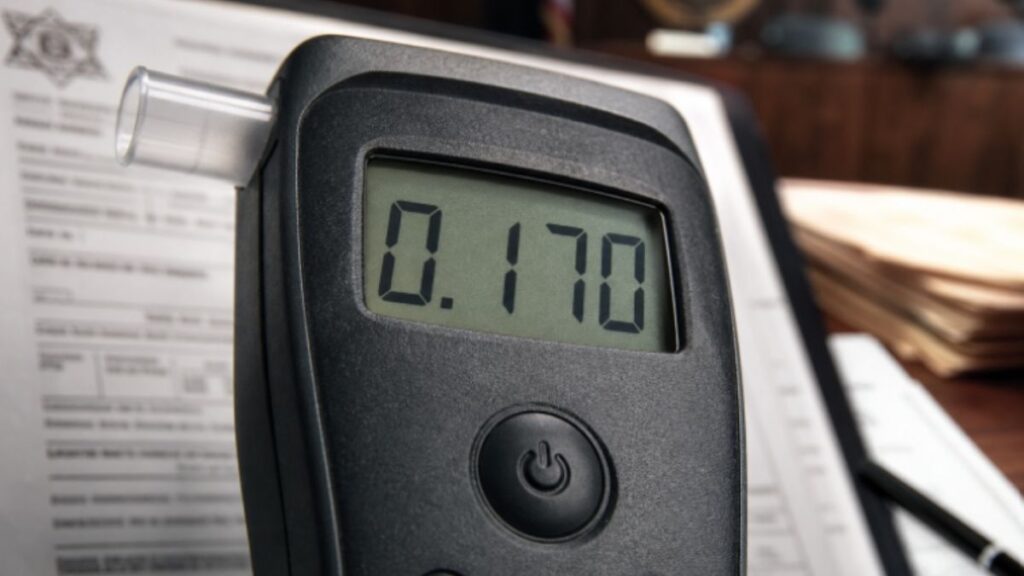
- Breath: 0.170 grams or more of alcohol per 210 liters of breath.
- Whole blood: 0.170 percent or more by weight per unit volume.
- Blood serum or plasma: 0.204 percent or more by weight per unit volume.
- Urine: 0.238 grams or more of alcohol per 100 milliliters.
These figures are specific to alcohol testing. Drug-related OVI cases raise different legal and evidentiary questions, including whether a listed controlled substance or metabolite was present at or above a statutory level and whether it affected the driver.
Why a High-Tier OVI Matters
The main reason is sentencing. For a first OVI offense involving a standard prohibited alcohol concentration, Ohio law generally requires a minimum of three consecutive days in jail, although a court may permit a certified driver intervention program in place of some or all of that jail requirement in qualifying circumstances.
For a first high-tier OVI, the court generally must impose at least three consecutive days in jail and require three consecutive days in a certified driver intervention program. If the court finds the person is not suitable for the program, the person refuses it, or the local jail can provide a driver intervention program, the mandatory jail term can become at least six consecutive days.
That distinction matters even when the person has no prior record. A high-tier allegation can mean more mandatory time, more scheduling demands, and greater disruption to work, caregiving, education, and transportation.
Prior Convictions Raise the Stakes Further
A prior equivalent offense within the statutory lookback period can dramatically increase the required penalty. For example, Ohio law generally distinguishes between standard and high-tier OVI results when setting mandatory incarceration for repeat offenses. A second OVI within 10 years can carry a 10-day mandatory jail term for a standard result, compared with 20 consecutive days for a high-tier result. A third offense within 10 years can bring even more serious mandatory penalties.
Other facts can independently affect the outcome. These may include an alleged test refusal, driving under an existing suspension, a crash, injury, a child passenger, commercial-driver status, or a prior felony OVI. A high test result is important, but it is only one part of the case.
License Consequences Can Begin Before the Criminal Case Ends
An OVI arrest can result in both a criminal court case and an Administrative License Suspension (ALS). The license suspension is separate from the ultimate result of the criminal charge. Depending on the circumstances, an officer may impose an immediate suspension after a test showing a result over the legal limit or an alleged refusal.
The first-offense OVI suspension rules published by the Ohio BMV state that a suspension may be imposed after a positive test and that restoration requirements may be separate from court obligations. The paperwork given after arrest should be reviewed closely because it may identify court dates, suspension information, and possible appeal rights.
How a High-Tier Result May Be Challenged or Examined
A high test number can appear straightforward, but the result must still be evaluated in context. A defense review may examine whether the traffic stop was lawful, what the officer observed, whether field sobriety tests were performed appropriately, and whether the video supports the written report.
Chemical testing also involves details that may matter, including:
- The time between driving and the test.
- The instructions and warnings were provided before testing.
- Breath-machine maintenance, calibration, and operator records.
- Blood-draw procedures, labeling, storage, and chain of custody.
- Whether medical conditions, medications, or environmental factors are relevant.
- Whether the result is being used to support an impaired-driving allegation, a per se prohibited-concentration allegation, or both.
None of these questions guarantees a particular result. They do, however, illustrate why a person should avoid assuming that a number on a report ends the analysis.
What to Do After a High-Tier OVI Arrest
- Keep every document, including the citation, temporary permit, BMV paperwork, towing receipt, and bond paperwork.
- Write down the time, location, road conditions, officer statements, tests offered, and names of possible witnesses.
- Do not drive unless your current license status and any permitted driving privileges are clear.
- Save potentially useful records, such as receipts, rideshare history, dashcam footage, medical information, and relevant messages.
- Do not delete social-media posts, alter records, or contact witnesses to influence what they say.
- Attend every court date and comply with all release conditions.
Frequently Asked Questions
Is 0.17 the high-tier cutoff for every Ohio test?
No. A 0.170 threshold applies to breath and whole-blood testing. Ohio uses different high-tier figures for serum or plasma testing, 0.204, and urine testing, 0.238.
Does a high-tier OVI automatically mean jail?
A conviction or guilty plea to a first high-tier OVI generally carries mandatory sentencing requirements involving jail and a driver intervention program. The specific sentence depends on the charge, prior record, court findings, and applicable law.
Can a person challenge a high alcohol test result?
A person may have legal grounds to examine the stop, arrest, test administration, testing equipment, laboratory procedures, timing, and documentation. The facts of each case determine which issues may apply.
Conclusion
A high-tier OVI in Ohio generally means an alleged alcohol concentration at or above the state’s enhanced thresholds, not merely a result above the standard legal limit. It matters because Ohio law may impose more severe mandatory penalties, especially for repeat offenses. Promptly preserving documents, confirming license status, tracking deadlines, and obtaining case-specific legal guidance can help a person make informed decisions during a difficult process.