
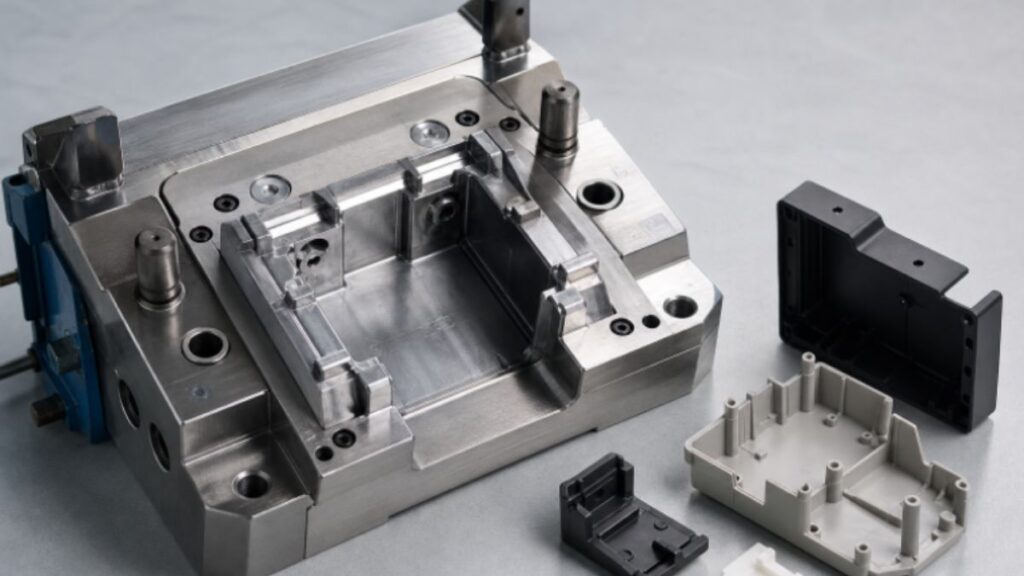
For injection molders and other plastic processors in Noblesville and across central Indiana, dependable production often begins before the press starts. clean plast purge compound Noblesville, IN is a useful reference for teams evaluating cleaning and purging options. Rgl Sales And Marketing Inc., a Noblesville-based, woman-owned supplier, provides Clean Plast purge compounds along with mold-care products, hot runner controls, and related equipment for plastic-processing operations. That local focus can be valuable when a plant needs practical support for resin changes, mold cleaning, or routine maintenance planning.
A maintenance checklist is not merely a toolroom document. It connects operators, quality staff, process technicians, and maintenance personnel around the same goal: keeping equipment, molds, and material paths in a condition that supports repeatable parts. In a region where production schedules, changing weather, and fluctuating workload can all affect plant routines, simple documented habits help teams spot developing problems before they become disruptive stops.
Why Maintenance Belongs in the Production Plan
Production pressure can make it tempting to postpone a cleaning task or inspection until a visible defect appears. That approach can allow a small concern, such as residue in a vent or a minor leak near a connection, to develop into scrap, process instability, or an unplanned repair. A planned routine gives teams time to respond under controlled conditions rather than during an urgent breakdown.
Effective maintenance should reflect how a tool is actually used. A high-volume mold, a resin with demanding processing conditions, and a tool that has shown recurring flash or sticking may need different attention than a lightly used mold running a stable material. Recent preventive tooling maintenance guidance also emphasizes tool-specific, cycle-based planning and the value of connecting maintenance history to production feedback.
Common Sources of Build-Up and Process Trouble
Not every quality issue begins at the mold surface. Degraded resin can leave carbon deposits in the barrel, screw, nozzle, hot runner, or flow path. Color and resin transitions can leave remnants that appear later as streaks or specks. Oils, grease, wax, silicone residue, moisture, corrosion, and blocked vents can also interfere with normal molding behavior.
Teams may see the effects as dark specks, discoloration, burn marks, inconsistent shots, longer cycles, sticking parts, poor venting, or changing surface appearance. These symptoms do not automatically identify one cause. They are signals to inspect the material path, machine condition, mold condition, and recent process changes together.
A Simple Daily Inspection Routine
A short inspection at the beginning or end of each shift can create a useful early-warning system. The goal is not a lengthy teardown. It is to make visible observations consistent and easy to record.
- Listen and look for unusual noise, smoke, leaks, vibration, or odors.
- Review the previous run for defects, rejected parts, or unexpected cycle-time changes.
- Inspect accessible mold surfaces, vents, parting lines, hoses, and connections.
- Confirm that resin and color-change records identify what ran in the machine.
- Record concerns before the next production run begins, including the mold, press, material, and shift.
Five focused minutes can preserve information that may otherwise be lost when the next job starts. It also gives the next shift a clearer picture of what requires attention.
When Purging Should Be Part of the Process
Purging is often appropriate during color changes, resin changes, planned shutdowns, startup after an interruption, or when contamination is suspected in the material path. Planning the purge before defects appear is generally easier than reacting after questionable parts have already been produced.
The compound and method should fit the resin, temperature range, machine design, and cleaning objective. A process intended to clear color may differ from one intended to address degraded material in a hot runner or barrel. Follow the product instructions, equipment guidance, and site safety procedures. Purging can support cleaner transitions, but it does not replace the diagnosis of a damaged mold, incorrect settings, moisture problems, or mechanical wear.
Mold Care Goes Beyond Visible Cleaning
Reliable mold care includes cleaning vents and parting lines, then checking moving and sealing components that influence fit and function. Ejector pins, slides, guide components, seals, and alignment areas should be evaluated for wear, binding, residue, or damage. Hot runner areas also deserve attention for leaks, wiring concerns, and material accumulation.
Before a mold is stored, it should be cleaned, dried, protected as appropriate, labeled, and documented. This matters in Indiana, where seasonal humidity changes can make moisture control and corrosion prevention especially important for stored tooling. Maintenance intervals should also consider shot count and tool history, not only a date on the calendar.
Build a Schedule Workers Can Follow
A usable maintenance program assigns clear ownership and keeps records brief enough that people will complete them. Consider this practical rhythm:
- Each shift: Record visible residue, leaks, defects, unusual sounds, and process changes.
- At each material or color change: Review temperatures, plan the purge, and confirm clean output before full production.
- Weekly: Inspect vents, mold surfaces, hoses, connections, and tool storage conditions.
- By shot count: Schedule deeper inspections based on resin, cavitation, wear history, and previous repairs.
- Before long-term storage: Clean, dry, protect, identify, and document the mold and machine condition.
Choose Cleaning Products With Care
A general-purpose cleaner may not suit every resin, mold surface, temperature range, or contamination issue. Review technical information, safety information, compatibility guidance, and application instructions before introducing a cleaner or purge compound into a process. The best choice is the one that addresses the actual task while fitting the equipment and plant procedures.
Track Results That Matter
Maintenance records become more useful when they show whether the routine is improving operations. Track changeover time, scrap and rework, unplanned downtime, purge cycles by job, contamination-related defects, and repair costs by mold or machine. Connect each event to the tool, resin, temperature, shift, and maintenance action whenever possible.
Common Mistakes to Avoid
- Waiting for a defect before cleaning or inspecting.
- Using the same method for every resin and every contamination concern.
- Failing to document a successful run or a small process change.
- Ignoring minor leaks, stains, sticking, or cycle-time drift.
- Scheduling all maintenance solely by calendar date when shot counts vary.
- Returning a mold to production without confirming that maintenance has resolved the issue.
For example, recurring black specks may be linked to trapped residue, incomplete purging, overheated or degraded material, or contamination in a hot runner. Cleaning only the visible mold face may not correct the actual source.
Questions Production Teams Often Ask
How often should a mold be cleaned?
The right interval depends on resin, additives, mold design, production volume, visible results, and documented tool history. Manufacturer guidance and prior maintenance records should inform the schedule.
Is purging needed after every color change?
Many color or resin changes benefit from a planned purge, but the method and amount should match the material, machine, temperatures, and cleanliness requirements.
What is an early sign of poor mold care?
Watch for flash, burn marks, sticking, dimensional variation, surface changes, or cycle-time shifts. These signs justify a closer review before the issue grows.
Conclusion
Cleaner, more reliable plastic processing in Noblesville starts with repeatable habits. A daily checklist, suitable cleaning practices, accurate records, and timely inspections can help protect tooling, reduce avoidable disruption, and support consistent part quality throughout 2026. The strongest plan is not the most complicated one. It is the one the production team can follow, measure, and improve.