
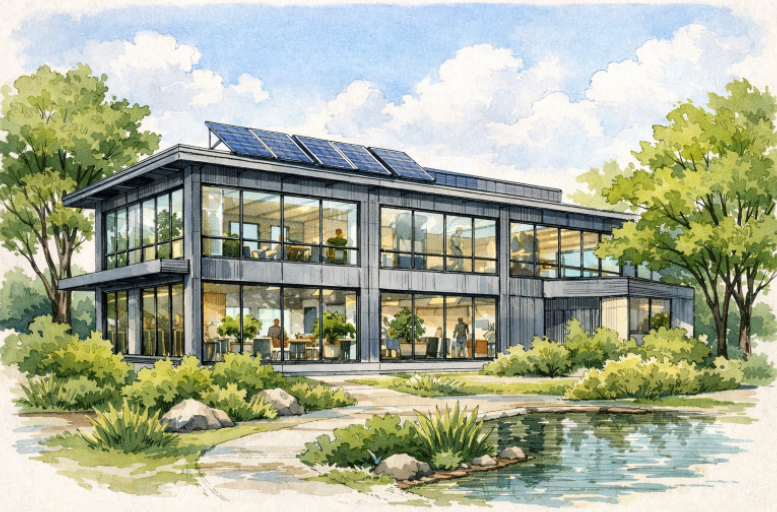
Steel building construction is rapidly evolving to meet modern demands. Whether for commercial, residential, or industrial use, today’s steel buildings are more versatile than ever. Driven by innovative design approaches and a commitment to sustainability, the industry is seeing a shift toward efficient, flexible, and visually appealing spaces that suit a wide range of applications. These transformations reflect a growing emphasis on green practices, technological integration, and flexible spaces tailored to changing needs.
From open-plan structures suitable for businesses to residential spaces harnessing abundant natural light, the latest advancements address both functionality and aesthetics. Modern steel structures are designed not only to perform but also to create environments that enhance well-being and productivity. For many property owners and developers, these improvements mean cost savings and enhanced value over the building’s lifespan.
Incorporating energy-efficient materials and automation systems is quickly becoming industry standard. As the demand for buildings that are customizable and adaptable grows, so too does the popularity of flexible frame layouts and reconfigurable interiors. This creates building environments perfect for diverse sectors and styles.
Alongside sustainability and adaptability, forward-looking projects are capitalizing on advances in materials and construction techniques to produce structures that are easier to maintain and more resilient against the elements. With these progresses, the future of steel construction is set to be both innovative and environmentally responsible.
For those interested in expanding their options with superior durability and rapid construction, metal buildings present another strong alternative, offering both flexibility and a broad range of design possibilities.
Sustainable and Eco-Friendly Practices
Environmental responsibility is now central in steel building construction. By utilizing recycled content, the carbon footprint of new buildings is minimized, and costs are more easily controlled. Modern projects commonly feature insulated metal wall panels, energy-efficient windows, and cool roof systems that reflect sunlight and reduce heat gain. These materials both lower heating and cooling needs and position buildings to meet or exceed international green standards, such as LEED certification. According to BuildSteel.org, steel is widely recognized as the most recycled material on the planet, making it an excellent choice for sustainability-minded projects.
Integration of Smart Technologies
Today’s steel buildings offer more than just solid frames. Integrating intelligent building management systems, automated lighting, HVAC (heating, ventilation, and air conditioning), and security technologies makes these structures more efficient and secure. These smart systems can reduce operating costs by optimizing energy use and offering real-time data that helps facility managers make informed decisions. They also improve occupant comfort by automatically regulating temperature, light, and security borders. With these capabilities, steel buildings remain at the forefront of technological innovation.
Modular and Prefabricated Construction Methods
Efficiency is reshaping the way steel buildings are fabricated and assembled. Off-site manufacturing of modular components allows construction timelines to shrink, reducing not only labor but also on-site waste and disruption. These prefabricated systems are designed to fit together seamlessly, making expansion or modification far simpler than in traditional builds. Adaptable layouts make these structures especially appealing in industries where rapid changes in space or function are expected, such as retail, manufacturing, and even health care. The streamlined process also means predictable project schedules and better cost management.
Architectural and Aesthetic Enhancements
Steel buildings are breaking away from the cold, utilitarian image of the past. Architects now blend steel with glass, wood, and composite panels, exploring an array of color palettes and surface textures. This shift creates visually compelling buildings that can stand alongside traditional structures while offering superior performance and longevity. Enhanced exteriors and interiors cater to companies and homeowners seeking unique, inviting environments. The architectural freedom steel allows for structures suited to a mix of commercial, community, and residential functions.
Open Floor Plans and Flexible Spaces
One significant advantage of steel framing is the ability to design wide-open interiors without the need for load-bearing walls. This gives architects and building owners tremendous flexibility in how a space is used and configured over time. Open layouts are ideal for businesses that anticipate future expansion or for community buildings that may house events, sports, or meetings. As organizations’ needs evolve, these floor plans can be updated with minimal structural changes.
Natural Light and Biophilic Design Trends
Increasingly, designers are maximizing daylight within steel structures by incorporating large windows, skylights, and glass curtain walls. These elements fill interiors with energy-saving natural light and foster a sense of openness. The trend ties into broader biophilic design principles, which advocate for the inclusion of natural elements like greenery, natural materials, and outdoor views. These features are associated with improved well-being, higher productivity, and a more welcoming atmosphere, countering the notion that steel buildings must be stark or industrial. For additional insights on biophilic design’s impact, Metropolis Magazine has explored how these spaces boost productivity and happiness.
Conclusion
Steel building construction is demonstrating a remarkable capacity for reinvention. Pioneering sustainable practices, intelligent systems, and advances in architectural design are making these buildings a top choice among modern developers and property owners. By keeping pace with global demand for greener, more adaptable structures, the industry is producing buildings that not only stand out aesthetically but also deliver lasting value, environmental responsibility, and flexibility for the future.