
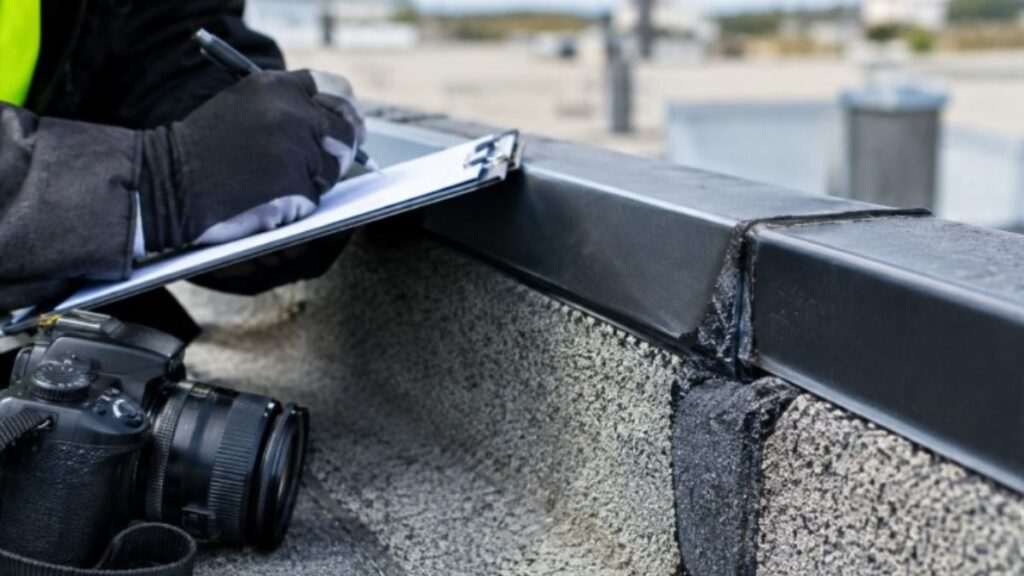
For Salt Lake City businesses, a commercial roof is a working part of the building, not simply a surface above it. It protects inventory, equipment, employees, tenants, and daily operations from rain, snow, wind, sun, and temperature changes. A written maintenance plan makes roof care easier to schedule, document, and budget before a small defect becomes a disruptive problem.
When local property managers need help evaluating active concerns, commercial roofing repairs Salt Lake City UT from Ron Case Roofing & Asphalt Paving covers leak repairs, flashing fixes, flat roof work, metal roof repair, storm damage, and roof inspections. The Salt Lake City roofing company works with a range of commercial roof systems and offers a practical local resource for businesses comparing repair needs, storm-related concerns, and longer-term roofing decisions.
Why Commercial Roof Maintenance Needs a Written Plan
Waiting for a ceiling stain or active leak puts a business in reaction mode. By contrast, a maintenance plan establishes regular inspection dates, defines who receives reports, and identifies how urgent work will be approved. It can also create a clearer history for warranty discussions, insurance documentation, capital planning, and communication with building owners or tenants.
A useful plan does not have to be complex. It should identify the roof system, list recurring tasks, set seasonal inspection dates, and establish a process for responding to storm damage. Consistent attention is generally easier to manage than an unexpected repair during a busy operating day.
Start With a Baseline Roof Assessment
Begin with a complete review of the roof as it exists today. Gather installation records, prior repair invoices, warranty information, and any notes about recurring leaks. Photograph representative areas and clearly label the roof sections so future changes can be compared against the original condition.
- Identify the roof type, approximate age, and known repair history.
- Inspect seams, flashing, edges, drains, penetrations, and rooftop equipment.
- Record ponding water, cracks, punctures, loose materials, stains, and exposed components.
- Separate immediate water-entry risks from maintenance items that can be scheduled.
Build a Seasonal Inspection Calendar
Most commercial properties benefit from planned spring and fall inspections, plus an additional review after significant wind, hail, snow, or heavy rain. Utah weather can shift quickly across seasons, so a calendar is more reliable than relying on memory or waiting for an interior issue.
- Spring: Look for winter-related damage, blocked drainage, shifted materials, and deteriorated edge details.
- Summer: Check for heat-related surface wear, failed sealant, equipment traffic damage, and drainage issues.
- Fall: Remove debris and address open seams or loose flashing before freezing conditions arrive.
- After severe weather: Inspect for punctures, displaced materials, dents, and water intrusion.
Because the Salt Lake City area can experience high winds, hail, heavy precipitation, and winter weather, facility teams should monitor local weather conditions that can cause wind damage, hail, flooding, and snow accumulation, and arrange safe roof checks after notable events.
Put Drainage at the Top of Every Checklist
Water management deserves attention during every inspection. Even a durable membrane can be placed under unnecessary stress when drains, scuppers, gutters, strainers, or overflow routes are blocked. Remove leaves, dirt, branches, and loose job-site debris. Then check whether water can move freely away from low points and drainage openings.
Document standing water that remains after ordinary weather has passed. Also keep stored materials and service equipment out of drainage paths. Persistent ponding, damaged drain seals, or loose nearby flashing should be evaluated before water finds a route into the building.
Know Which Problems Need Fast Action
Urgent Warning Signs
- Active water entering occupied, storage, or equipment areas.
- Wet insulation, ceiling stains, or spreading interior moisture.
- Large tears, open seams, missing materials, or loose edge metal.
- Blocked drains when rain or snow is expected.
- Damage near electrical systems, sensitive machinery, or valuable inventory.
Items That May Be Scheduled for Planned Repair
- Minor sealant cracking or limited surface wear.
- Small, loose accessories that do not admit water.
- Early flashing movement or localized ponding without interior damage.
Create a Consistent Roof Inspection Record
Use the same inspection format every time. Include the date, weather conditions, inspector, roof areas reviewed, photos, observed issues, recommended action, urgency, completed work, materials used, and follow-up date. Clear records help managers explain why a repair is needed and make it easier to recognize whether a minor concern is changing over time.
Connect Maintenance With Energy Performance
A roof affects more than water protection. Damaged insulation, gaps around penetrations, and aging materials can influence interior comfort and heating or cooling demand. During restoration or replacement planning, consider insulation, reflectivity, expected service life, and compatibility with the rest of the building envelope.
The U.S. Department of Energy notes that roof design and materials can help reduce cooling demand by reflecting solar heat, although the right approach depends on the building, roof assembly, and local climate. Compare upfront work with expected maintenance needs and long-term operating considerations.
Prepare for Utah Weather and Winter Access
Before winter, inspect roof edges, flashing, drains, and overflow paths. Establish safe snow-removal procedures in advance, including who is authorized to access the roof and which tools are appropriate for the roof surface. Avoid improvised methods that can puncture or scrape roofing materials. After hail or strong winds, inspect even if no leak is immediately visible.
Decide Between Repair, Restoration, and Replacement
- Repair: Best for limited damage when the wider roof system remains serviceable.
- Restoration: Worth discussing when wear is broader, but the roof structure and assembly remain suitable for a larger treatment.
- Replacement: May be appropriate when failures recur, moisture damage is extensive, or repair costs no longer align with the roof’s remaining service life.
Request photographs, a written scope, urgency categories, warranty details, and separate pricing for immediate repairs versus optional improvements. This makes approval decisions more transparent.
Choosing a Commercial Roofing Professional
Look for relevant commercial experience, appropriate licensing and insurance, familiarity with your roof type, safe work practices, and a clear communication process. A qualified professional should explain what was observed, what repair is proposed, why it is recommended, and what follow-up may be needed.
Quick Commercial Roof Maintenance Checklist
- Review roof age, system type, prior repairs, and warranty requirements.
- Schedule spring and fall inspections.
- Inspect after major storms or reported leaks.
- Keep drains, gutters, scuppers, and overflow routes clear.
- Photograph and document significant concerns.
- Separate emergency repairs from planned improvements.
- Review energy and insulation considerations during major projects.
A commercial roof maintenance plan does not need to be complicated. With a steady calendar, clean drainage, good records, timely repairs, and thoughtful decisions about future work, Utah businesses can better protect their properties and reduce avoidable surprises.