
Transforming your home by blurring the boundaries between indoor and outdoor areas can turn daily living into a tranquil, cohesive experience. Integrating design features that unite the inside with the outside delivers a harmonious environment, not just in appearance but in overall comfort and functionality. With the right approach, homeowners can establish a flowing connection that elevates both spaces, and working with experienced professionals like Cillessen Construction can help realize this vision.
Seamlessly merging interiors and exteriors goes beyond aesthetics. It creates usable living space and maximizes enjoyment year-round. From architectural details to thoughtful finishes and greenery, every element contributes to a balanced whole. This approach can enhance well-being and even boost property value by making your living environment more open, bright, and inviting.
Maximize Natural Light
Embracing abundant natural light is fundamental to creating an effortless transition between inside and outside areas. Installing large windows, glass sliding or folding doors allows sunlight to spill indoors while providing unobstructed views of gardens, patios, or landscaped yards. These features serve a dual purpose: expanding the visual reach of your living area and cultivating a constant connection to nature. To address areas where windows are not possible, skylights and sun tunnels can brighten dark corridors or living rooms, maintaining a sense of openness throughout the home.
Consistent Flooring Materials
Continuing flooring materials from indoors to outdoors is a highly effective way to unify separate spaces. Using matching or closely related surfaces, such as porcelain tile, polished concrete, or natural stone, makes the transition nearly imperceptible, especially on pleasant days when doors are fully open. For example, if your living room flows onto a terrace or pool deck, extending the same stone creates a seamless pathway underfoot. Not only does this deliver visual unity, but it is also practical for high-traffic areas and outdoor entertaining.
Cohesive Color Schemes
A consistent color palette is one of the most effective ways to tie indoor and outdoor spaces together. Neutral backgrounds, such as whites, beiges, and pale grays, work well in both environments, providing a backdrop for furniture, plant life, and art to naturally harmonize. To bring energy and coherence, consider using accents inspired by the outdoors: leafy greens, sky blues, and gentle earth tones. These choices help blend views and materials so that the transition between spaces feels effortless.
Integrate Natural Elements
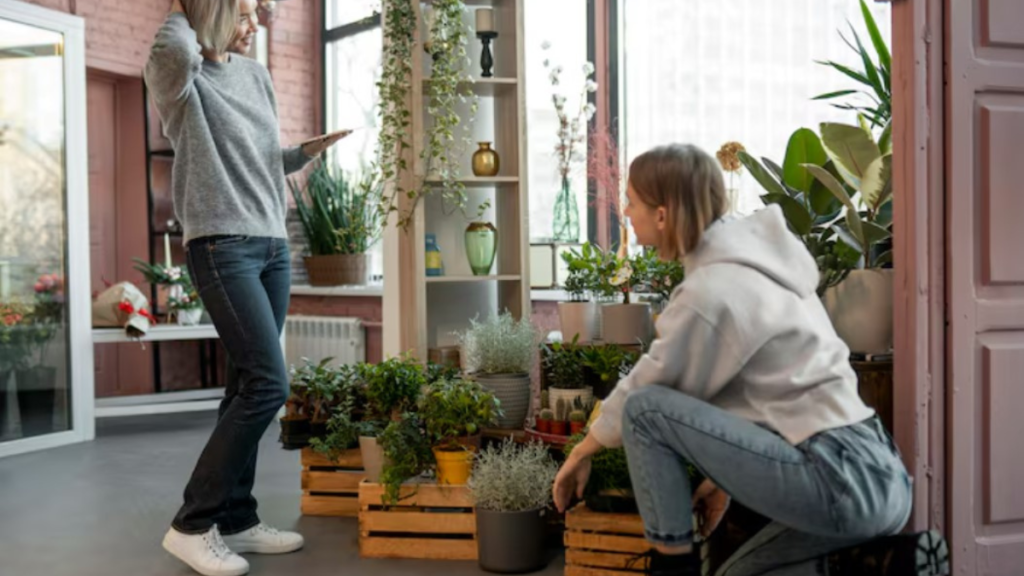
Natural materials and greenery are essential in softening the distinction between indoor rooms and outdoor living. Furniture and decorative accents crafted from wood, cane, stone, and rattan introduce textures and warmth inside that are commonly found outside. Adding houseplants, vertical gardens, or even small water features indoors anchors the flow between spaces, bringing nature into your day-to-day routine. This approach, known as biophilic design, is proven to enhance well-being and promote a more serene lifestyle.
Furnishings and Décor
Furniture selection is pivotal in reinforcing continuity between indoor and outdoor environments. Opt for pieces that reflect the style and finishes of your interior, but are robust enough to withstand the elements. Weather-resistant materials such as teak, powder-coated aluminum, and solution-dyed outdoor fabrics can look just as refined indoors as out. Choose accessories, such as throw pillows, area rugs, and lighting, that echo the color palettes, textures, or motifs found throughout both areas. Using matching or complementary styles visually connects the spaces and supports flexible, functional living.
Create Transitional Spaces
Layering intermediary zones between inside and outside can enhance the perception of flow. Spaces like covered porches, screened verandas, sunrooms, or pergolas serve as transitional areas, helping homeowners transition from the interior to the exterior. Decorate these zones with a mix of indoor and outdoor furnishings, and use features like retractable screens or sliding glass that allow the spaces to adapt to shade, weather, and privacy as needed. Flexible layouts mean these spaces can serve as dining areas, lounges, or entertainment zones year-round.
Consider Climate and Privacy
Designing seamless transitions also means planning for comfort and privacy in your local climate. Protective structures such as deep overhangs, awnings, or pergolas provide essential shade on hot days and shelter from rain, ensuring your outdoor living space remains usable. Landscaping elements, such as layered hedges, tall grasses, or decorative screens, can create soft, natural privacy without introducing harsh visual barriers. These practical touches guarantee that the indoor-outdoor blend is effective and enjoyable in every season.
Conclusion
With thoughtful design, you can create an inviting, harmonious connection between your home’s interior and its outdoor surroundings. Whether you are maximizing light, extending colors and textures, or carefully choosing furnishings and foliage, every step brings both beauty and functionality. Blending these spaces not only improves your quality of life but can also make your home more appealing and valuable. Consider partnering with trusted experts for planning and execution, and draw inspiration from leading design authorities to bring your seamless indoor-outdoor sanctuary to life.