
Finding a trustworthy mechanic is easier when you start looking before a warning light, an unusual noise, or a roadside breakdown becomes urgent. Whether you need routine maintenance or a difficult diagnosis, researching an auto repair shop Issaquah WA, ahead of time gives you more control over cost, timing, and the quality of the work.
The right repair shop does more than replace worn parts. It helps you understand what your vehicle needs now, what can wait, and how regular service may prevent more expensive repairs later. A shop that keeps accurate service records can also make it easier to track maintenance over the vehicle’s life.
Why The Right Repair Shop Matters
When a car will not start, or a dashboard light appears, convenience can feel like the only priority. However, the nearest facility is not always the best match for your vehicle’s make, the type of repair, or your budget. Choosing carefully can reduce the chance of unclear charges, repeat visits, and repairs that do not address the actual problem.
Before authorizing work, review the Federal Trade Commission’s auto repair guidance. It encourages consumers to compare prices, qualifications, warranties, and approval policies before agreeing to repairs. A few minutes of preparation can help you make a confident decision when service is needed.
Start Your Search Before You Need Repairs
- Create a shortlist of three nearby facilities that handle your vehicle type.
- Ask family, friends, coworkers, and neighbors for recent recommendations.
- Review each shop’s website for services, hours, diagnostic capabilities, and policies.
- Check customer feedback across multiple platforms.
- Call each shop with a few questions before booking an appointment.
Pay attention to how the business handles the first conversation. A helpful service advisor should be able to explain appointment availability, inspection fees, estimated turnaround time, and how the shop communicates with customers. You do not need a final diagnosis over the phone, but you should receive straightforward answers about the process.
Compare Dealerships, Independent Shops, And Specialty Facilities
No single type of repair facility is ideal for every vehicle or repair. The best option depends on your car’s age, warranty status, service history, and the complexity of the issue.
- Dealerships: These facilities often have direct access to manufacturer procedures, factory scan tools, and brand-specific technical information. They can be a strong choice for recalls, warranty repairs, software updates, and highly specialized concerns.
- Independent repair shops: Independent facilities may offer personalized service, flexible scheduling, and the opportunity to build a long-term relationship with the same team. Many handle a broad range of maintenance and repair work.
- Specialty shops: A shop focused on a particular brand, system, or repair category can be valuable for European vehicles, transmissions, hybrids, electrical problems, or performance work.
- Chain service centers: These businesses can be convenient for common maintenance items such as oil changes, tires, brakes, and batteries. Verify that the location has the right experience for more complex diagnostics.
Check Technician Training And Equipment
Ask whether the technicians have experience with your vehicle’s make and model, especially if it uses advanced driver-assistance systems, hybrid components, or complicated electronics. Current certifications and ongoing training are useful signals, but they do not guarantee quality on their own. Accurate diagnosis, careful artistry, and honest communication matter just as much.
It is also reasonable to ask whether the shop uses modern diagnostic equipment and whether it refers highly specialized work elsewhere. A trustworthy shop will explain its limits instead of guessing at an expensive repair.
Read Reviews With A Critical Eye
Online reviews are most useful when you look for repeated themes. One unhappy review may involve an unusual disagreement, but several recent comments about surprise charges, missed deadlines, or unanswered calls can indicate a larger issue.
- Look for comments about communication, pricing, and repair quality.
- Notice whether customers received updates when repairs took longer than expected.
- Review how the business responds to criticism.
- Be cautious of vague praise, repeated wording, or reviews posted in a short period.
- Compare feedback from multiple sources rather than relying solely on a star rating.
Ask For A Written Estimate
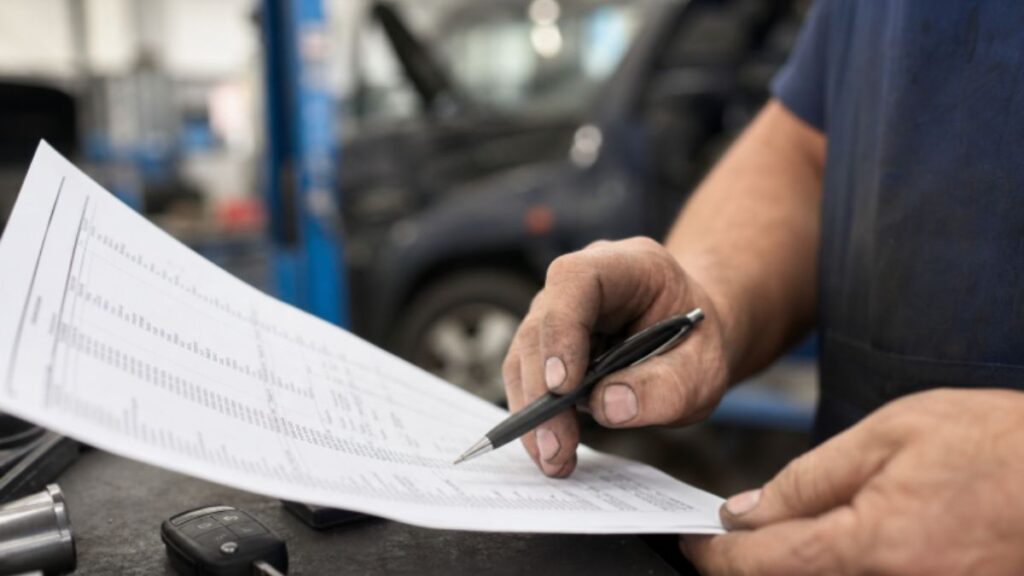
A useful estimate should identify the diagnosed concern, recommended repairs, parts costs, labor charges, inspection or diagnostic fees, taxes, shop supplies, and expected completion time. Ask whether the estimate may change after disassembly or further testing. If additional work becomes necessary, the shop should contact you for approval before proceeding.
Questions To Ask Before Approving Repairs
- What caused the problem, and how was it confirmed?
- How urgent is the repair?
- What could happen if I delay it?
- Which parts will be installed: original equipment, aftermarket, rebuilt, or used?
- What does the warranty cover for both parts and labor?
- Will you contact me before exceeding the estimate?
- May I inspect or receive the replaced parts?
Review Warranty And Price Details
A warranty is valuable only when the terms are clear. Ask how long coverage lasts, whether it applies to parts, labor, or both, and whether warranty service must be completed at the same location. Keep the final invoice and repair order in a safe place.
Price matters, but the lowest quote is not always the lowest total cost. Estimates may differ because of parts quality, labor time, diagnostic testing, technician experience, and warranty coverage. For a major repair, compare two or three written estimates. For a smaller job, a clear approval process and strong communication may be worth more than a minor price difference.
Consider Convenience, Safety, And A Second Opinion
Convenience can improve the service experience. Ask about appointment availability, after-hours drop-off, vehicle pickup procedures, transportation options, and text or phone updates. Still, a clean lobby or fast appointment should support quality, not replace it.
Seek a second opinion if a repair is unusually expensive, the diagnosis is unclear, or the proposed repair does not match your vehicle’s symptoms. Different shops may recommend different solutions because they use different testing methods, parts, and labor rates. Before scheduling repair work, it is also smart to check your vehicle for open safety recalls, since recall-related repairs may need to be handled through the manufacturer.
Red Flags To Watch For
- Pressure to authorize repairs immediately without a clear explanation.
- No written estimate or reluctance to discuss pricing.
- Vague answers about the diagnosis or recommended work.
- Additional charges were added without the customer’s approval.
- Promises that sound unrealistic, such as guaranteed repairs without testing.
- Unclear warranty terms or refusal to provide them in writing.
- Multiple recent complaints describe the same communication or billing problem.
Conclusion
Choosing a reliable auto repair shop in 2026 does not require expert mechanical knowledge. Start with a shortlist, verify experience and customer feedback, ask direct questions, and request a written estimate. The strongest repair relationships are built before an emergency happens, giving you a trusted place to turn when your vehicle needs attention.