
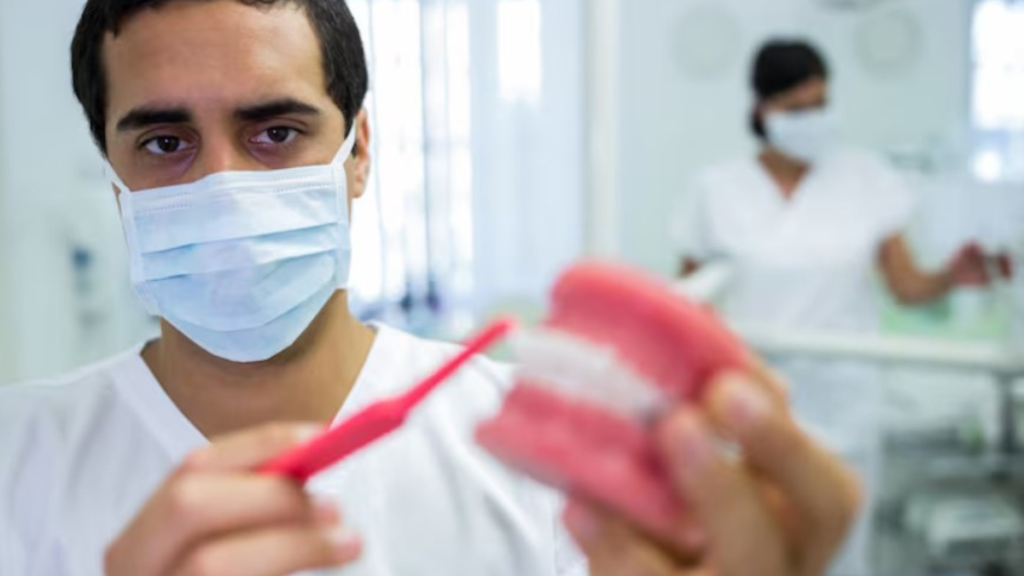
Maintaining safety and cleanliness in dental care is essential for both patients and dental hygienists. In a dental environment, professionals are constantly exposed to bacteria, viruses, and other pathogens, which makes stringent hygiene practices crucial. Beyond protecting patients, hygienists must also follow strict protocols to ensure their own health is not compromised. The modern dental setting relies on a combination of personal protective equipment, sterilization techniques, and patient-focused procedures to reduce risks. We will explore how dental hygienists implement these protocols, the importance of maintaining clean workspaces, and the methods used to prevent cross-contamination while delivering high-quality care in a safe environment.
Key Safety Protocols for Dental Hygienists
1. Personal Hygiene and Protective Measures
Personal hygiene is the first line of defense in a dental clinic. Monroe dental hygienists must follow rigorous handwashing procedures before and after patient contact. Hands should be washed with antimicrobial soap for at least 20 seconds, and alcohol-based sanitizers can be used when soap and water are not available. Gloves are essential for all procedures involving direct contact with a patient’s mouth, and they should be changed between patients to prevent cross-contamination.
Protective gear such as masks, face shields, and gowns shields the hygienist from splashes, aerosols, and other fluids generated during dental treatments. Hair should be tied back and jewelry minimized, as these can harbor germs. Additionally, hygienists should avoid touching their faces or adjusting protective equipment during procedures to reduce the risk of pathogen transmission. Maintaining personal hygiene not only protects the dental professional but also reassures patients that their care environment is clean and safe.
2. Instrument Sterilization and Disinfection
Sterilization of dental instruments is a cornerstone of patient protection. Instruments that come into direct contact with a patient’s mouth, such as scalers, probes, and mirrors, must be properly cleaned, disinfected, and sterilized. Ultrasonic cleaners are often used first to remove debris, followed by autoclaving, which uses high-pressure steam to eliminate bacteria, viruses, and fungi. Single-use instruments and disposable items are preferred whenever possible to minimize contamination risks. Surfaces and equipment in the treatment area must be disinfected regularly with approved solutions that target a wide range of pathogens.
Dental hygienists are trained to follow strict protocols to ensure sterilization is complete and that instruments are not inadvertently reused without proper treatment. Record-keeping is also critical, as tracking sterilization cycles helps verify compliance and ensures that any potential exposure can be traced and addressed. These measures collectively reduce the likelihood of infections spreading between patients or staff.
3. Patient Protection and Pre-Procedure Safety
Patient protection begins before any procedure starts. Hygienists must ensure that patients are screened for infectious diseases and that their medical histories are updated accurately. Protective barriers, such as bibs and safety glasses, are provided to patients to shield them from fluids and debris during treatment. Pre-procedural rinses with antimicrobial solutions are often recommended to reduce oral bacteria and minimize aerosol contamination. Hygienists should also maintain a clean and organized workspace, keeping instruments and supplies within sterile zones to prevent accidental contamination. Communication with the patient is key, explaining procedures and safety measures to reduce anxiety and encourage cooperation. By establishing these protective practices, dental hygienists create an environment where patients can receive care safely and with confidence in the clinic’s cleanliness.
4. Handling and Disposal of Biohazard Materials
Proper handling of biohazardous materials is essential to prevent exposure to infectious agents. Used gloves, masks, gauze, and other disposable items must be discarded in designated biohazard containers. Sharps, such as needles and scalers, require careful disposal in puncture-resistant sharps containers. Dental hygienists follow strict guidelines for the transport and storage of potentially infectious materials to avoid accidental contact or contamination. Surfaces that come into contact with blood or saliva must be disinfected immediately, and any spills are treated according to specific biohazard protocols. These measures protect both staff and patients by preventing the spread of harmful microorganisms outside the treatment area. Regular training and adherence to biohazard procedures are vital, as even minor lapses can have serious consequences.
5. Ongoing Education and Protocol Updates
Safety protocols in dental care are continuously evolving as new research and technology emerge. Dental hygienists must stay informed about updates in infection control, sterilization methods, and protective equipment standards. Regular training sessions, workshops, and continuing education programs help reinforce proper practices and introduce the latest safety measures. Clinics often conduct internal audits to ensure compliance with hygiene and sterilization standards, and feedback is used to improve procedures. By maintaining a continuous learning and adaptation mindset, hygienists can effectively address emerging health risks. Staying current with industry standards ensures that patient care remains safe and that the dental team operates in a responsible and informed manner.
Ensuring safety in dental care requires a combination of personal hygiene, instrument sterilization, patient protection, and careful handling of biohazard materials. Dental hygienists play a vital role in implementing these protocols to minimize infection risk and create a clean, secure environment for patients. By rigorously adhering to protective measures, implementing organized workflows, and providing ongoing education, hygienists can maintain a high standard of care while safeguarding themselves and their patients.