
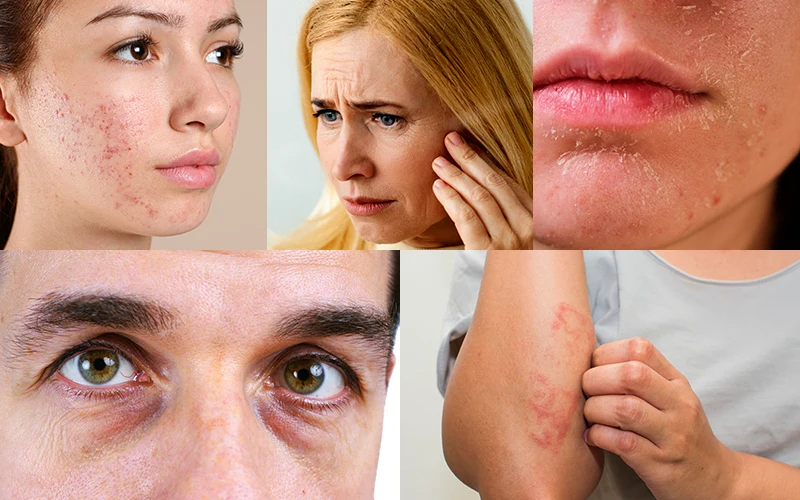
Stress is a normal part of modern life. Work deadlines, financial concerns, relationship problems, lack of sleep, and everyday responsibilities can all place pressure on the mind and body. While occasional stress may pass quickly, ongoing stress can affect more than your mood. It can also show up through changes in your skin, hair, sleep, energy, and overall well-being.
The connection between mental wellness and physical appearance is easy to overlook. However, the body responds to prolonged stress in several ways. Understanding these effects can help you recognize unhealthy patterns and make simple lifestyle changes that support both your health and appearance.
Understanding the Body’s Stress Response
When you experience stress, your body enters a state commonly known as the “fight-or-flight” response. Hormones such as cortisol and adrenaline help prepare you to deal with a perceived challenge.
This response can be useful for short periods. The problem can arise when stress becomes frequent or long-lasting.
Persistent stress may influence sleep, appetite, digestion, immune function, and hormonal activity. Because the skin and hair are connected to many of these systems, they can sometimes reflect what is happening inside the body.
How Stress Can Affect Your Skin
Your skin is the body’s largest organ, and it can respond to internal and external changes. Stress does not affect everyone in exactly the same way, but several common skin concerns may become more noticeable during stressful periods.
Stress and Acne Breakouts
Stress may contribute to acne for some people. Increased stress can influence hormone activity and oil production, potentially creating conditions that make breakouts more likely.
There is also a behavioral side to the problem. When people feel anxious or overwhelmed, they may touch their faces more frequently or pick at existing blemishes. These habits can irritate the skin and make breakouts harder to manage.
A consistent skincare routine can help. Gentle cleansing, regular moisturizing, and avoiding unnecessary picking can support healthier-looking skin.
Increased Skin Sensitivity
Periods of stress may make some people more aware of itching, redness, dryness, or irritation. Existing skin conditions can also become more difficult to manage when stress levels are high.
This does not mean stress is always the direct cause of a skin problem. Environmental factors, products, allergies, genetics, and other health conditions can also play important roles.
If your skin suddenly changes or symptoms persist, it is sensible to discuss the issue with a qualified healthcare professional or dermatologist.
Dull or Tired-Looking Skin
Poor sleep often accompanies stressful periods. When you consistently sleep less than your body needs, your complexion may appear tired, and temporary concerns such as under-eye puffiness can become more noticeable.
Instead of relying entirely on cosmetic products, consider the basics first. Adequate sleep, hydration, balanced meals, movement, and a simple skincare routine can all contribute to a healthier appearance.
The Relationship Between Stress and Hair
Hair can also respond to significant physical or emotional stress. One well-known example is temporary increased shedding after a stressful event.
Stress-Related Hair Shedding
A condition called telogen effluvium can cause increased hair shedding after certain physical or emotional stresses. The change may not appear immediately. In some cases, noticeable shedding occurs weeks or months after the triggering event.
Because hair growth has a natural cycle, it can take time for the effects of stress to become visible.
The good news is that stress-related shedding is often temporary once the underlying trigger is addressed. However, persistent or severe hair loss should not automatically be blamed on stress. Nutritional deficiencies, hormonal changes, medications, genetics, and medical conditions can also contribute.
Changes in Hair Care Habits
Stress can also affect how people care for their hair. Someone who feels overwhelmed may skip regular washing, sleep poorly, eat irregularly, or use harsh styling practices.
These habits can influence the appearance and condition of the hair and scalp.
Keeping a simple routine can make hair care easier during demanding periods. Gentle products, reasonable washing habits, protection from excessive heat, and adequate nutrition are practical starting points.
Stress Can Affect More Than Appearance
The effects of prolonged stress extend beyond skin and hair. Mental pressure can influence many aspects of everyday life.
People experiencing ongoing stress may notice:
- Difficulty falling or staying asleep
- Changes in appetite
- Low energy
- Trouble concentrating
- Headaches or muscle tension
- Irritability or mood changes
- Reduced motivation
- Changes in daily routines
These symptoms can create a cycle. For example, stress may interfere with sleep, while poor sleep can make it harder to manage the next day’s challenges.
Breaking that cycle often starts with small, realistic changes rather than trying to completely transform your lifestyle overnight.
Simple Ways to Manage Everyday Stress
You do not need an elaborate wellness routine to start supporting your well-being. Small habits can become valuable when practiced consistently.
Prioritize Quality Sleep
Try to maintain a regular sleep schedule whenever possible. Creating a relaxing bedtime routine can also make it easier to transition away from work, screens, and daily concerns.
Stay Physically Active
Walking, stretching, cycling, strength training, or another activity you enjoy can help you move your body and create a useful break from stressful routines.
The goal does not have to be intense exercise. Consistency is often more practical than perfection.
Eat Regular, Balanced Meals
Stress can sometimes lead to skipped meals or excessive reliance on convenience foods. A balanced diet that includes vegetables, fruits, whole grains, protein sources, and healthy fats can support overall health.
If you are concerned about a possible nutritional deficiency, speak with a healthcare professional rather than starting supplements without guidance.
Take Short Breaks
Even a few minutes away from work or repetitive tasks can provide a mental reset. Deep breathing, a short walk, reading, journaling, or simply sitting somewhere quiet may help you regain focus.
Keep Your Self-Care Routine Simple
Self-care does not have to involve expensive products or complicated routines. A few consistent habits can be easier to maintain.
For people interested in practical skincare, haircare, and personal-care guidance, resources such as The Serenity Lab can provide additional ideas for building straightforward beauty and self-care routines.
When Should You Seek Professional Help?
Everyone experiences stress, but persistent stress should not be ignored when it begins interfering with daily life.
Consider speaking with a healthcare or mental health professional if stress feels overwhelming, continues for an extended period, affects your ability to function, or is accompanied by significant changes in mood, sleep, or physical health.
Similarly, sudden skin changes, severe irritation, unexplained hair loss, or symptoms that do not improve deserve professional evaluation.
Getting help does not mean you have failed to manage stress. It simply means you are taking your well-being seriously.
Building a Healthier Relationship With Self-Care
Taking care of your skin and hair can be enjoyable, but appearance should not become another source of pressure. Healthy self-care is about supporting yourself rather than chasing perfection.
A simple routine can create moments of calm during a busy day. Washing your face, moisturizing, caring for your hair, taking a walk, preparing a balanced meal, or getting enough sleep may seem like small actions, but together they can contribute to a healthier lifestyle.
Most importantly, remember that changes in your appearance do not define your health or worth.
Conclusion
Stress can influence many parts of life, including the way your skin and hair look and feel. Acne, sensitivity, tired-looking skin, and temporary hair shedding may sometimes become more noticeable during stressful periods. At the same time, these concerns can have many other causes, so persistent symptoms should be evaluated appropriately.
Managing stress starts with realistic habits. Better sleep, regular movement, balanced nutrition, simple self-care, and appropriate professional support can all play a role in overall well-being.
Your skin and hair are only part of the picture. The bigger goal is creating daily habits that help you feel healthier, calmer, and better equipped to handle life’s challenges.