
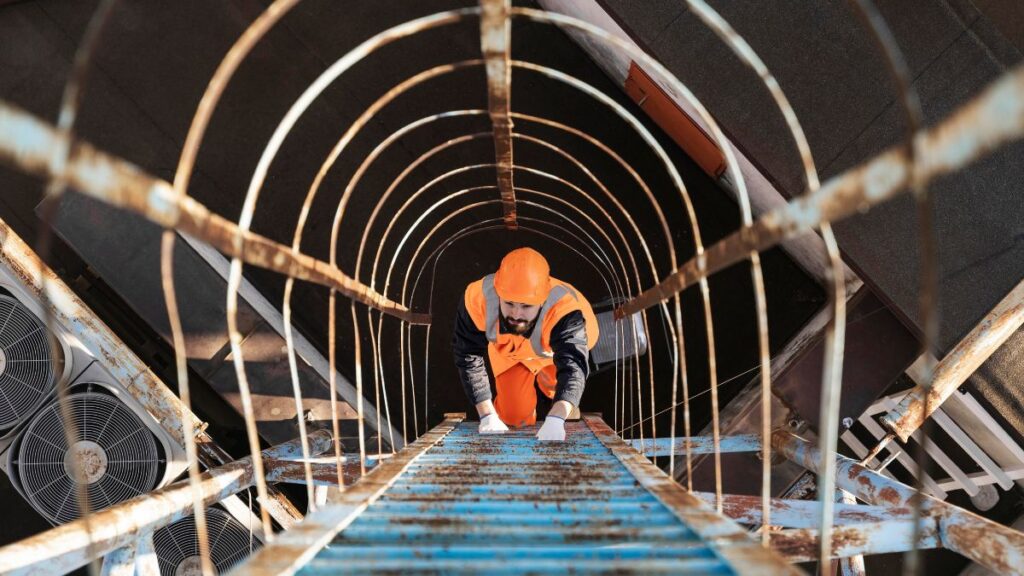
The Hampton Roads region is experiencing a surge in large-scale infrastructure projects, particularly the 757 bridge-tunnel construction boom. This wave of activity brings vital improvements for transportation and commerce, but also exposes thousands of construction workers to new and evolving injury risks each day. As these projects move forward, workers and their families must be aware not only of physical dangers but also of the importance of knowing where to get legal advice in the event of an accident.
The ambitious scale and pace of these developments introduce complexities that demand both proactive safety protocols on-site and a keen understanding of legal protections off-site. From deepwater tunnel boring to the management of heavy machinery in confined spaces, every phase is fraught with hazards. Navigating the intersection of safety, injury risk, and workers’ rights is essential to ensuring these landmark projects do not come at the cost of worker well-being.
For workers and their families, staying informed about their legal options after an accident is crucial. Employers, project managers, and local communities all have a role in reinforcing a culture of safety and advocacy. Understanding this landscape is key to ensuring fair compensation, access to necessary medical care, and long-term security when injury strikes.
The realities of infrastructure work mean risks can never be entirely eliminated, but workers can and should be empowered with clear knowledge of their rights under Virginia law. Proactivity, awareness, and legal support go hand in hand for the workers driving the 757 bridge-tunnel construction boom forward.
The Rise of the 757 Bridge-Tunnel Boom
Hampton Roads is home to some of the most ambitious bridge-tunnel infrastructure projects in the nation. The expansion of the Hampton Roads Bridge-Tunnel (HRBT), along with upgrades to the Monitor-Merrimac Memorial Bridge-Tunnel and others, underscores the area’s importance as a transportation hub. These projects mean round-the-clock construction, complex project management, and a dynamic workforce facing new challenges at scale. The increase in demand for skilled laborers and specialists introduces a larger workforce that may not always have local experience with tidewater conditions, making robust safety training crucial.
Unique Injury Risks Facing Infrastructure Workers
Bridge-tunnel construction is inherently risky. Workers routinely encounter dangers such as collapses, cave-ins, equipment malfunctions, exposure to high voltage, and falls from significant heights. Tunnel boring presents particular risks, including suffocation hazards in low-oxygen environments, confined-space accidents, electric shocks, exposure to hazardous chemicals, and flooding. Underwater work brings in hazards like decompression sickness, drowning, and hypothermia. Construction remains one of the most hazardous industries nationwide, and unaddressed risks can have life-altering consequences for individuals and their families.
Prevention and Safety Best Practices on Site
Effective prevention starts with comprehensive site-specific safety training and the use of advanced technology. Continuous air quality monitoring, reinforcement of tunnel structures, safety harnesses, and the provision of personal protective equipment are necessities. Supervisors should implement frequent safety audits and closely review near-miss reports. Empowering workers to speak up about hazards without retaliation and providing channels for anonymous reporting bolsters overall site safety. Strong communication systems, including digital dashboards and regular toolbox talks, ensure all staff remain alert to evolving job hazards and procedures. Major infrastructure firms are now investing in AI and real-time data collection to prevent injuries before they occur, setting new safety standards in high-risk environments.
Legal Rights and Workers’ Compensation in Virginia
When an accident occurs, understanding your legal rights becomes just as critical as medical care. Virginia’s workers’ compensation law provides benefits for medical expenses, lost wages, and long-term disability. However, navigating workers’ comp claims or potential third-party liability cases demands prompt action and skilled legal counsel. Mistakes or delays in reporting injuries or seeking care can affect your right to compensation. Infrastructure workers should also know what to do if their injury was caused by equipment malfunction or a contractor’s negligence. In such complex scenarios, legal help ensures employers, manufacturers, or other entities are held accountable and that all due benefits are received.
When Injury Strikes: Getting Help and Protecting Your Case
If you are hurt on the job, immediate steps matter. Quickly report the injury to your supervisor, seek medical attention, even for seemingly minor injuries, and begin documenting the events with photos, witness statements, and written accounts. Keep all medical records and follow up with necessary appointments. Avoid signing any documents or returning to work without fully understanding your rights. Consulting a workers’ compensation attorney early can make a critical difference in securing your health and financial future. Trusted legal professionals can identify additional sources of liability and ensure you receive all the compensation available under the law.
Conclusion
The 757 bridge-tunnel construction boom represents a major milestone for Hampton Roads’ infrastructure and economy. However, it also poses significant risks to the thousands of men and women who make these projects possible. Protecting worker safety, recognizing unique job site hazards, and understanding your legal rights are vital to balancing progress with well-being. Proactive steps, both on and off the construction site, can mean the difference between a safe return home and a life changed by injury. Awareness, prevention, and knowledgeable legal advocacy ensure the workers powering regional growth are protected today and in the future.