
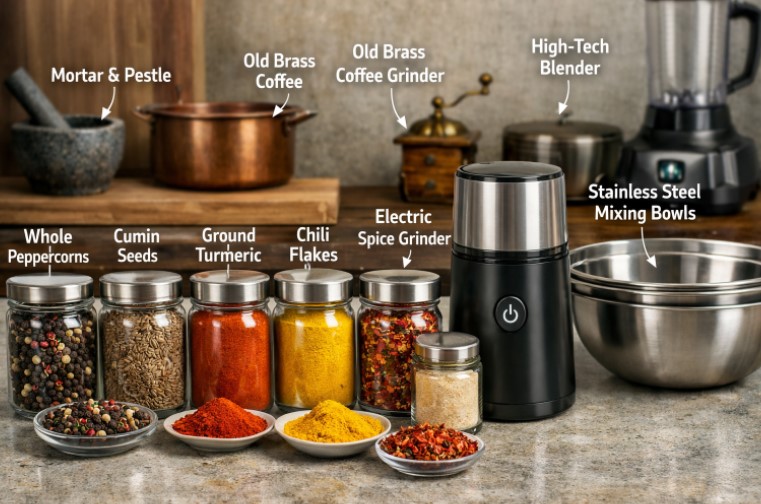
Spice blending today bridges the gap between tradition and innovation, elevating the culinary landscape. Advanced blending tools and scientific understanding now allow for consistency and precision far beyond what was possible in the past. Whether you are a home cook or run a commercial kitchen, understanding the basics of modern spice blending can greatly enhance the flavors and textures you create. The journey into food and spice blending is also changing on an industrial scale, with the right industrial mixer for food blending enabling manufacturers to achieve superior uniformity and quality in their products.
The evolution of spice blending is not limited to efficiency and technological developments. It also involves a deep dive into the way spices interact, influenced by cultural revival and health-conscious trends. As a result, both enthusiasts and professionals have an unprecedented opportunity to tailor blends to taste, dietary preferences, and health benefits.
The Evolution of Spice Blending
Spice blending has roots in ancient culinary traditions, where family recipes and local ingredients shaped regional identities. Over generations, these blends became cultural touchstones, defining everything from festive meals to everyday fare. In recent years, authenticity has regained significant value as chefs and foodies strive to recreate dishes with the exactness once possible only in their origins.
The drive for authenticity has combined with a growing consumer desire for convenience and reliability. This has driven a surge in demand for high-quality spice blends that deliver precise, repeatable flavors. The science behind spice blending, such as understanding how different grind sizes affect distribution, has thus become an essential part of both artisanal and commercial food preparation.
Understanding Flavor Profiles
Mastering spice blending starts with knowing your ingredients. Each spice brings distinct taste notes, heat from chili peppers, warmth from cinnamon, citrus from coriander, or earthiness from cumin. Blending is a creative process, but it also requires balance: too much heat can overpower, while excessive sweetness may flatten a dish. Foundational blends often pair complementary spices. For example, cumin and coriander make up the backbone of many Indian and Latin cuisines and offer a rounded, earthy brightness.
Superb blends result when contrast and harmony are artfully balanced. Some spices round out bitterness with sweetness (like fenugreek offsetting mustard seed), while others, such as clove and allspice, deliver both warming and aromatic depth. Resources from culinary schools and recipe developers, such as those found in Bon Appétit’s guide to homemade spice mixes, can help newcomers and experts alike explore new combinations with confidence.
Technological Innovations in Spice Blending
Technological innovations have driven much of the evolution in spice blending. Modern grinders consistently process spices to specific particle sizes, ensuring each batch delivers predictable results. Advanced blenders and mixers reduce the risk of ingredient separation, avoiding the uneven seasoning that can occur in manually mixed batches. Additionally, oxygen-reducing packaging solutions and cold grinding retain the volatile oils that give spices their essential aromas and flavors, thereby increasing shelf life and potency.
For commercial producers, automation and batch tracking help manufacturers scale up without compromising quality. These advances support the creation of consistent consumer products, critical for brands aiming to maintain flavor integrity across extensive distribution networks.
Health Trends Influencing Spice Blends
Nutrition and wellness trends have deeply impacted the world of spice blending. Consumers increasingly look for blends that deliver more than taste; there is a high demand for ingredients with recognized health benefits. Turmeric leads the list due to its potential anti-inflammatory qualities, and ginger is regularly included for its digestive properties. As consumers seek to support well-being through diet, blends featuring functional spices continue to rise in popularity.
This shift towards “food as medicine” aligns with broader trends in health and wellness circles. More information on these functional benefits and culinary trends can be found in Healthline’s overview of healing herbs and spices.
Techniques for Home Cooks
Home cooks can harness the power of modern blending with a few simple steps to elevate everyday meals:
- Start with Whole Spices: Toasting enhances flavor by releasing essential oils. Freshly ground spices are more aromatic and vibrant than pre-ground varieties.
- Balance Flavors: Understanding the role of each spice, pairing, and offsetting flavors is crucial for depth and complexity.
- Experiment with Ratios: Personal preference matters. Test and refine proportions, noting the impact each adjustment has on the blend’s flavor profile.
- Store Properly: Use airtight containers stored away from light and heat. Proper storage maintains freshness and prevents your blends from losing potency over time.
For those interested in taking their spice blending to the next level, kitchen-scale equipment once reserved for professionals is increasingly accessible to home cooks. Resources on choosing the right tools and techniques can be widely found from culinary educators and equipment suppliers.
Conclusion
The dynamic field of spice blending continues to evolve, blending craftsmanship with science and technology. Whether for cultural authenticity, health benefits, or pure culinary curiosity, both home cooks and food producers stand to gain by embracing modern techniques. Understanding flavor profiles, utilizing technological advancements, and focusing on health-driven ingredients can open up a world of possibilities. Mastery in spice blending not only enhances taste but redefines the experience of cooking itself.