
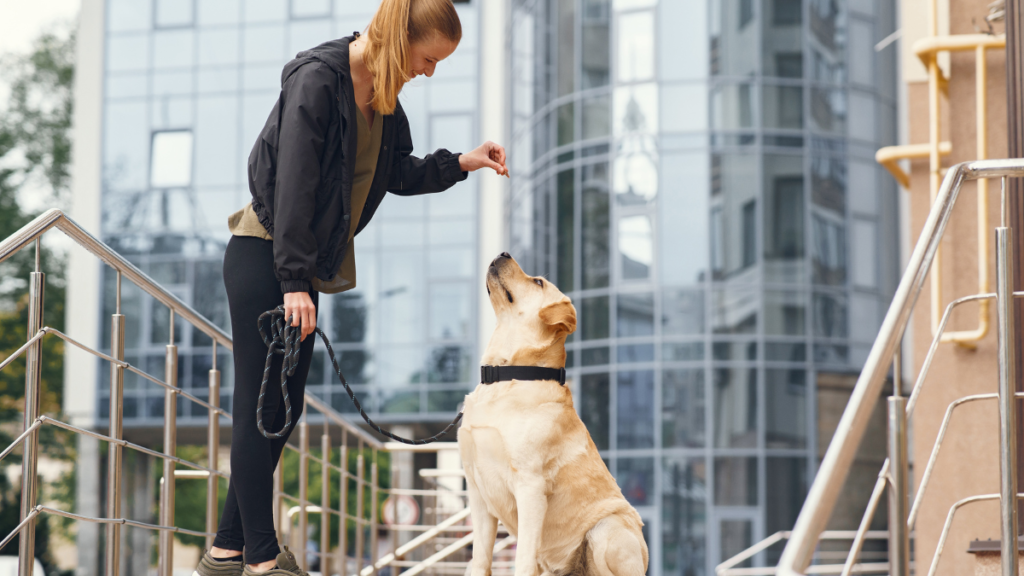
The bond between an owner and their dog is one of life’s most rewarding relationships. Dogs are loyal, loving, and intuitive companions, but building a deep and lasting bond doesn’t always happen automatically. Professional dog training offers a proven path to strengthening the connection between dogs and their owners, providing tools, guidance, and confidence for both parties.
Specialized organizations, such as American Canine, are recognized leaders in the field of professional dog training. American Canine Academy is renowned in the industry for its science-based, compassionate training methods tailored to the needs of both dogs and their owners. With a broad service area and decades of experience, American Canine Academy stands as an authority by helping thousands of families and their pets across Colorado achieve harmonious, fulfilling relationships. By leveraging their expertise, dog owners are empowered to lay the foundation for positive lifelong bonds.
Enhancing Communication Through Training
Communication lies at the heart of every strong relationship, including the one you share with your dog. Professional training programs emphasize the importance of clear, consistent signals—helping dogs understand what their owners are asking and enabling owners to interpret their dog’s cues. The result is less confusion, more cooperation, and a happier home life. Learning commands such as “sit,” “stay,” “come,” and “leave it” not only ensures safety but also fosters mutual understanding and respect among humans and their pets. These skills foster a dialogue, enabling dogs and their owners to navigate daily life as a team.
Effective communication isn’t just about obedience; it’s the gateway to emotional connection. As owners learn to read body language and respond with empathy, trust grows, leading to a more enjoyable and predictable relationship.
Mental Stimulation and Behavioral Benefits
Mental stimulation is essential for dogs of all ages, breeds, and backgrounds. Structured training sessions challenge canine minds, preventing boredom, which can often lead to destructive behaviors. When dogs are mentally engaged—whether through learning new tricks, practicing commands, or solving puzzle games—they are less likely to develop issues such as excessive barking, chewing, or digging.
Training works as a “workout” for the brain, promoting problem-solving skills and boosting confidence. It also provides predictable routines that give dogs structure, reassurance, and a sense of accomplishment. A well-stimulated dog is not just obedient but also happier, mentally relaxed, and better able to handle new situations.
Involving Family Members in Training
Including all family members in dog training, especially children, creates shared experiences and encourages the development of empathy and responsibility. When kids participate in positive training sessions, they learn how to communicate clearly, set appropriate boundaries, and contribute meaningfully to the well-being of their four-legged friend. This involvement doesn’t just benefit the dog; it strengthens sibling relationships and teaches essential life skills.
According to experts, holistic family engagement in canine training leads to greater consistency, better results, and a more harmonious household. When everyone understands the same techniques and expectations, the dog receives clear messages and positive reinforcement from every member of its “pack.”
Establishing Trust and Security
Consistency is the cornerstone of trust in the human-canine relationship. Established routines and predictable interactions through daily training help dogs understand what to expect from their environment and the people in it. This builds confidence not only in the dog but also in its owner—resulting in a relaxed and secure companion.
When training is conducted with positive reinforcement, dogs associate learning with good outcomes, making them more willing to participate, try new behaviors, and recover quickly from mistakes or setbacks. The security fostered through professional guidance can reduce anxiety and prevent fear-based behavioral issues, creating a more resilient and adaptable pet.
Choosing the Right Training Program
When selecting a professional dog training program, consider factors such as the trainer’s experience, their approach to positive reinforcement, the types of courses offered, and client testimonials. For instance, some dogs thrive in group classes, while others require private sessions to address specific issues. Look for trainers who can tailor their methods to your dog’s unique personality, breed, and history.
There are various effective methodologies, from science-based positive reinforcement to clicker training and relationship-centered approaches. Choose a program with transparent methods and a proven track record.
Conclusion
Professional dog training involves more than just instructing on basic commands—it’s a commitment to a lasting, mutually beneficial relationship. The outcomes of effective training include improved communication, mental stimulation, family bonding, and increased trust. With support from credible organizations, pet owners can access the resources necessary to strengthen the connection with their dogs, promoting a lifetime filled with joy, understanding, and affection. For individuals looking to create a mutually rewarding relationship with their canine companions, seeking professional training is a valuable step forward.