
Pedestrian accidents at crosswalks can be disorienting and stressful. Knowing what to do seconds after the incident can protect your health, safeguard your rights, and help ensure a smoother recovery. Regardless of the severity, every action you take in the aftermath may impact your ability to receive proper care and fair compensation. Consulting a knowledgeable Boulder pedestrian injury attorney early on can provide clarity during this challenging time and add a layer of protection as you navigate medical, insurance, and legal processes.
Even a seemingly minor accident can result in injuries that may cause lasting physical and emotional effects. By understanding the critical steps to take after a crosswalk incident, you’ll position yourself to recover faster and strengthen your legal standing. Immediate, informed decisions can mean the difference between a frustrating experience and a manageable path forward.
Ensure Immediate Safety
Your priority after a crosswalk accident is to get out of harm’s way. If possible, move to a sidewalk or a safe zone to avoid further injuries from oncoming vehicles. In cases of severe injury or shock, signal to nearby people for help—bystanders and passersby can be invaluable in alerting emergency responders and ensuring the scene remains protected.
Seek Medical Attention
Never underestimate the importance of a prompt medical assessment, even if you do not immediately feel pain. Conditions like whiplash, soft-tissue injuries, or concussions can take hours or days to show symptoms. Visiting a doctor establishes an official record of your injuries, which will be critical if you need to file an insurance claim or pursue legal action down the line.
Document the Scene
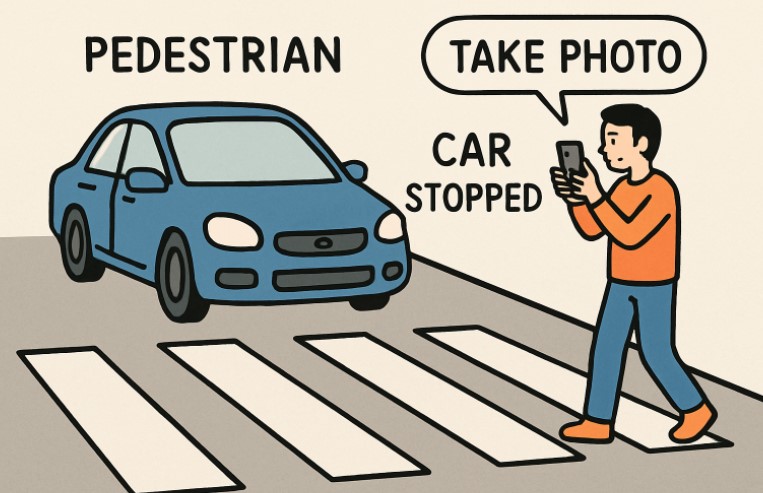
Securing a thorough record at the accident scene can substantially strengthen your case. Use your smartphone to take photos of the intersection, traffic signals, involved vehicles, any visible injuries, and the surrounding environment. If possible, ask witnesses for their names and contact details, and record the driver’s name, phone number, insurance information, and vehicle description. These details are vital for both police investigations and legal proceedings. According to the National Highway Traffic Safety Administration, such documentation can expedite claim processing and support safety advocacy efforts.
Report the Accident
Always call the police and request an official accident report, no matter how minor the incident may seem. Law enforcement can document the scene, interview witnesses, and corroborate your account. This police report is critical when filing insurance claims and, if necessary, in pursuing a legal claim for damages. Reporting every pedestrian accident in Boulder helps the city’s efforts to make crosswalks safer and track patterns of dangerous driving or intersection errors.
Understand Your Rights and Responsibilities
Pedestrian laws may vary according to local jurisdictions, so it’s essential to know your obligations and rights. For example, Boulder law requires pedestrians to activate crossing signals where available, and failure to do so may impact your ability to claim damages. Complying with traffic rules not only keeps you safe but also protects your legal standing in the event of a dispute regarding fault or liability.
Consult a Legal Professional
An experienced legal advocate can provide valuable insights into your rights and help you navigate the complexities of insurance and liability in pedestrian accidents. A legal professional will evaluate your case, assist in filing claims, negotiate with insurance companies, and, if necessary, represent you in litigation to seek compensation for medical expenses, lost income, and pain and suffering. Partnering with an attorney early ensures critical evidence is preserved and that you are informed of all your options before making important decisions.
Prioritize Mental Health
Pedestrian accidents can have consequences beyond physical injuries. Trauma, anxiety, and post-accident stress are common. Seek mental health support through a licensed counselor or consider joining a support group where you can share your experience and learn coping strategies. Taking care of your mental well-being is as important as your physical recovery, and there are professional resources available to help you move forward.
Stay Informed and Advocate for Safety
Get involved with local initiatives that aim to eliminate traffic injuries and fatalities, such as Boulder’s Vision Zero program. Volunteering for safety campaigns or joining local transportation advisory boards is a powerful way to help prevent future accidents and foster a culture of pedestrian awareness in your community. Education and community engagement are key drivers of long-term change.