Outdoor time in Toronto can mean camping weekends, trail walks, fishing trips, backyard evenings, and family adventures, but mosquitoes, blackflies, and ticks can quickly make those plans less comfortable. Al Flaherty’s Outdoor Store helps shoppers build a practical defense with insect repellent Toronto options and outdoor gear that fit the way they spend time outside. The right insect protection isn’t always a one-size-fits-all solution. A short walk through a local park, a full day on the water, and a remote hunting trip can involve different exposure times, different insects, and different gear needs. Choosing a registered product, wearing appropriate clothing, and planning for tick checks creates a more dependable approach.
Why Outdoor Conditions Matter Around Toronto
Toronto-area outings can bring different biting-insect concerns depending on the setting and season. Mosquitoes can be more active around dawn and dusk, blackflies are commonly active in daylight during springtime, and ticks are often found near trail edges, wooded areas, and tall grass. That means a lakeside fishing trip, a wooded hike, and an evening at a campsite may call for different preparations. Health Canada advises Canadians to use products registered for use on people and to follow the complete label. A product that repels mosquitoes may not be labeled for ticks or blackflies, so the pests listed on the container matter as much as the formulation or scent.
How Al Flaherty’s Outdoor Store Helps Customers Prepare
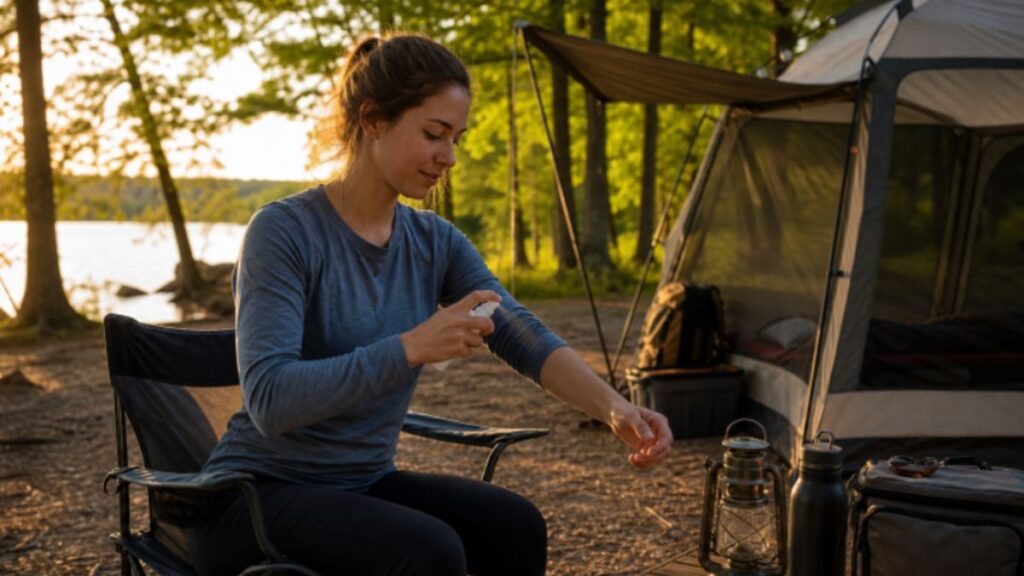
Al Flaherty’s Outdoor Store gives Toronto customers a local place to think beyond a last-minute bug spray purchase. Located on Dufferin Street, the store organizes Insect Defense within its broader camping offering, making it easier to consider repellent alongside the clothing, shelter, lighting, bags, and outdoor equipment needed for a complete outing. For campers, Al Flaherty’s Outdoor Store can help frame insect protection as part of campsite comfort. A personal repellent can be paired with long clothing, a screened tent or shelter, and a plan for protecting exposed skin during peak mosquito activity. For families, that same approach can include age-appropriate products and physical barriers such as mosquito netting for strollers or sleeping areas. For anglers, hikers, hunters, and backcountry travelers, Al Flaherty’s Outdoor Store supports a more durable packing strategy. Longer trips may require enough labeled repellent for the planned duration, protective clothing that covers the arms and legs, and a backup plan in case conditions change. Shoppers should check the current inventory and product labels in-store or online, since available brands, formulas, and sizes can change.
What to Compare in Insect Repellents
DEET
DEET is an active ingredient used in personal insect repellents. The correct concentration and permitted frequency of use depend on the product label and the user’s age. Health Canada notes specific age-related limits for DEET products, including a requirement that they not be used on infants younger than 6 months. Always use the exact instructions printed on the product being purchased.
Icaridin
Icaridin is another active ingredient used in products intended to repel mosquitoes and ticks. It can be a useful option for shoppers comparing application formats or ingredient preferences. However, the label still determines which pests are covered, who can use the product, and how often it can be applied.
Plant-Based Formulas and Wearable Options
Plant-based formulas should be judged by the same standard as any other personal repellent: look for a Pest Control Products registration number and clear directions for use. Avoid assuming that an unregistered home remedy, wristband, or electronic device provides the same protection as a registered personal repellent. Clothing, hats, socks, and treated garments can also reduce exposed skin and strengthen an overall protection plan.
Matching Protection to Your Activity
- Urban park visits: Carry a compact, registered repellent and cover exposed skin when practical. Short outings may require less gear, but labels still matter.
- Backyard camping: Plan for longer evening exposure by combining personal repellent, long sleeves, tent screening, and suitable lighting around the campsite.
- Hiking: Choose clothing that limits contact with brush and tall grass, use repellent as directed, and check your body, clothing, and gear for ticks after the hike.
- Fishing: Expect extended time near water and vegetation. Pack enough protection for the day and choose clothing that covers arms and legs without limiting movement.
- Hunting or remote travel: Bring sufficient supplies for the full trip, protect exposed skin, and avoid relying on one item when replacement products may not be nearby.
How to Apply Repellent Safely
- Read the entire label before the first application.
- Confirm the product is labeled for the insects you expect to encounter.
- Apply only the amount directed to exposed skin or clothing.
- Do not spray directly onto the face. Spray onto hands first, then apply carefully, avoiding the eyes and mouth.
- Do not apply repellent to irritated, sunburned, damaged, or open skin.
- Supervise children, observe age restrictions, and avoid applying repellent to children’s hands.
- Apply sunscreen before insect repellent when both are needed.
- Wash treated skin with soap and water after returning indoors or when protection is no longer required.
Outdoor Insect-Defense Checklist
- A registered personal insect repellent selected for the outing.
- Long-sleeved shirt, long pants, socks, and closed footwear.
- A hat or head covering for added protection.
- A screened tent, shelter, or mosquito netting when sleeping or resting outdoors.
- A small bag to keep repellent secure and separate from food.
- A post-outing tick-check plan, including help for hard-to-see areas.
- Soap and water for washing treated skin after the activity.
Frequently Asked Questions
What is the best insect repellent for Toronto?
The best choice depends on the insects expected, the length of the outing, the user’s age, and the product label. Al Flaherty’s Outdoor Store can help shoppers compare formats and build a broader outdoor protection setup.
Can clothing replace insect repellent?
Clothing reduces exposed skin but may not replace personal repellent in every environment. Combining appropriate clothing, labeled repellent, and tick checks is often the more complete approach.
How often should insect repellent be reapplied?
Follow the product label. Reapplication limits can vary by formula, target pest, age restrictions, sweating, water exposure, and outing conditions.
Conclusion
Preparing for insects can make outdoor activities around Toronto more comfortable and manageable. The right approach depends on the expected pests, activity, duration, and individual needs. Registered repellents such as DEET and icaridin can be combined with protective clothing, screened shelters, and regular tick checks for broader protection. Al Flaherty’s Outdoor Store provides a practical local resource for comparing insect-defense products and related outdoor gear. Before buying or using any repellent, shoppers should check current availability, pest claims, age restrictions, and label directions to ensure the product is appropriate for their planned activity.