
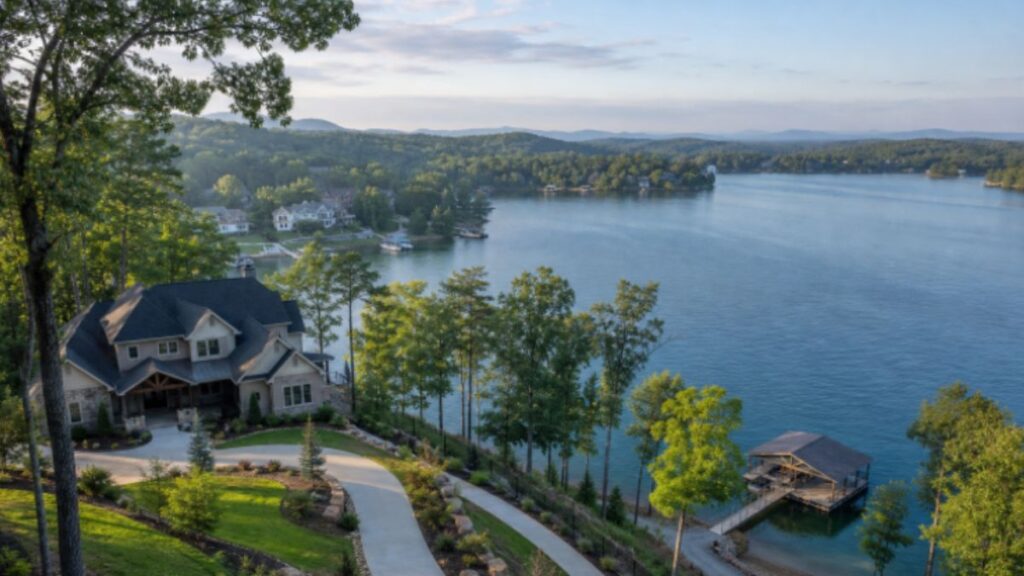
Buying near Lake Lanier can be exciting, but the right property involves far more than a great view. Buyers comparing Gainesville homes for sale can use Chris McCall Realty’s searchable Gainesville listing page to evaluate available properties by location, price, and home features. As a North Georgia brokerage with offices in Clermont and Dahlonega and a focus on communities including Gainesville, Flowery Branch, and nearby lake areas, Chris McCall Realty offers a useful local starting point for comparing lifestyle, access, and property condition.
The strongest lake-home decision considers the house, the land, the shoreline, the paperwork, and the demands of daily life. A home that feels perfect during a sunny afternoon showing may have limited water access, a steep lot, aging retaining walls, or ownership costs that become clear only after closing.
Why Lake Lanier Homes Require Extra Research
A typical suburban purchase may focus on the house, neighborhood, and school assignment. Lake-area homes add another layer of questions. Water levels can change the appearance and usability of the shoreline. Sloped lots can create drainage, erosion, driveway, and stairway concerns. Some homes also rely on private roads, shared amenities, septic systems, propane, or dock-related agreements.
Review the home, lot, shoreline, and adjacent public land as separate pieces of the purchase. A scenic setting can hide a narrow path to the water, an expensive retaining wall, or a dock arrangement that does not match the listing description. Important details should be documented before an offer becomes final.
Separate the View From the Access
Listing language can be broad, so define what is actually being sold. A lake-view home may simply overlook the water. A lake-access home may offer a path, neighborhood access point, or nearby launch. Waterfront or shoreline frontage may describe proximity to the lake, but does not, by itself, confirm ownership rights, docking privileges, or the ability to build improvements.
Documents to Review
- The current survey and recorded plat, including boundary lines and easements.
- The deed and seller disclosures.
- HOA covenants, road agreements, and shared-access terms.
- Photos and records for docks, steps, walkways, seawalls, or shoreline work.
Visit more than once when possible. A morning visit, a rainy-day drive, and a weekend trip can reveal parking limitations, traffic, sun exposure, noise, and the practical route from the house to the water.
Review Shoreline and Dock Rights
Lake Lanier shoreline use often involves land managed by the U.S. Army Corps of Engineers. The Corps explains that permits or licenses for certain private facilities do not create real estate rights or exclusive private use of government property.
- Ask whether the existing dock permit is current and whether a new owner must apply for a change of ownership.
- Confirm that the dock, electrical service, walkway, steps, shoreline protection, and other improvements were approved.
- Verify whether the lot is adjacent to an eligible shoreline-use area.
- Do not assume a structure shown in photos can be expanded, replaced, or modified without approval.
Check the Home and the Land
A standard inspection remains essential, but lake properties may need specialized attention. Inspect the roof, windows, siding, HVAC, plumbing, electrical system, decks, and outdoor stairs. Then look closely at the land itself: retaining walls, slope stability, erosion, culverts, drainage paths, tree health, driveways, and evidence of moisture in basements, crawl spaces, garages, or lower-level rooms.
Bring in qualified specialists when the inspection raises concerns about structural movement, septic systems, drainage, docks, seawalls, or electrical work.
Measure the Real Cost of Ownership
The purchase price is only the beginning. Request insurance quotes early, including deductibles and any coverage related to water, wind, trees, or flood exposure. Budget for dock upkeep, landscaping, tree removal, driveway resurfacing, pest control, exterior painting, and maintenance of stairs or paths to the shoreline.
Also identify HOA dues, private-road obligations, shared amenity costs, septic pumping, well service, propane, and utility upgrades. Compare annual ownership expenses with those of similar homes farther from the lake to understand the true premium associated with the location.
Study Commutes, Schools, and Services
Lake living still includes work, errands, appointments, and school mornings. Test the commute during the times you would actually travel. Check the drive to groceries, medical care, major roads, marinas, and recreation areas. Confirm school assignments by the exact address, rather than relying on a neighborhood name, and verify reliable internet options if remote work is part of the plan.
Compare Neighborhood Fit
- Full-time living: Prioritize roads, internet, services, schools, commute time, and year-round access.
- Weekend use: Compare drive time, security, maintenance demands, and the ease of leaving the home vacant.
- Boating: Review dock status, marina distance, storage, launch options, and the route to open water.
- Entertaining: Check parking, outdoor space, neighborhood restrictions, and guest access.
- Future resale: Consider lot usability, documented improvements, road quality, condition, and buyer appeal beyond the view.
Use a Smart Offer Process
- Create a short list of nonnegotiable needs and preferred features.
- Set a purchase limit that leaves room for repairs and first-year maintenance.
- Compare recent sales with similar access, lot conditions, and dock situations.
- Request disclosures, permits, surveys, repair records, and HOA documents promptly.
- Keep inspection and due diligence protections in place until key concerns are resolved.
- Use repair estimates and ownership costs to guide the offer price.
Questions to Ask Before Closing
- Does the property have both legal and practical access to the water?
- Is the dock permit current, approved, and available to the new owner?
- Who owns or manages the land between the home and the lake?
- Are there private roads, shared utilities, easements, or maintenance agreements?
- Which repairs are likely within the next five years?
- What insurance is required, recommended, and realistically affordable?
- Could shoreline rules, zoning, or covenants limit future improvements?
- What factors could make the home harder to sell later?
Conclusion
A Lake Lanier home should be evaluated with equal attention to the lifestyle and the paperwork. When buyers verify access, permits, land condition, insurance, everyday travel, and future resale potential before becoming attached to the view, they are better positioned to choose a home that works for years, not just weekends.