
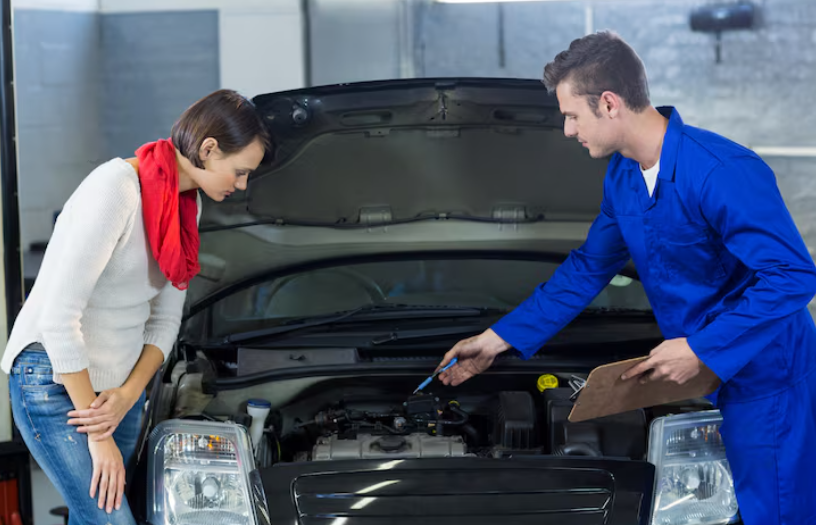
Regular vehicle maintenance is more than just a series of routine checks. It’s a long-term investment that protects your car, your wallet, and your peace of mind. By keeping up with necessary upkeep, drivers can avoid unexpected roadside emergencies and the burden of unforeseen auto repairs. Especially in regions where commutes are essential, staying proactive with maintenance means your vehicle remains reliable for the road ahead.
Consistent car maintenance also contributes to optimal fuel efficiency, safety, and even resale value, making it a smart financial and practical strategy. The blend of short-term savings and long-term value should not be underestimated. Every oil change, tire rotation, or basic inspection performed today pays off by delaying larger expenses down the road and keeping vehicles in peak condition.
Many drivers overlook the cumulative benefits of regular vehicle maintenance. Tasks like oil changes or brake inspections can protect essential systems and help avoid major malfunctions down the line. If you’re unsure where to start or want professional insights, consulting with a reputable car mechanic can be a helpful move to ensure your vehicle’s health and reliability.
In a world where budgets are increasingly stretched, car owners should view maintenance not as a sunk cost but as a critical way to control expenses and avoid costly breakdowns. According to Consumer Reports, regular maintenance is one of the most effective ways to reduce the total cost of car ownership over time.
Preventing Costly Repairs
Addressing minor issues before they escalate saves both frustration and money. For example, replacing a worn timing belt on schedule is far cheaper than repairing engine failure caused by a snapped belt. Routine inspections allow technicians to detect leaks, worn components, and other emerging problems early. Addressing these as soon as they arise can prevent more significant and expensive repairs, such as engine or transmission replacements, and keep your car functioning at its best.
Improving Fuel Efficiency
Another financial upside of routine maintenance is better fuel economy. Simple actions like ensuring tires are properly inflated and replacing clogged air filters can noticeably improve gas mileage. According to Edmunds, keeping up with these simple tasks helps reduce fuel consumption, which adds up over the course of a year. Using the recommended grade of motor oil can also make a difference, as lower viscosity oils often allow modern engines to operate more efficiently.
Extending Vehicle Lifespan
Consistently caring for your car’s vital systems leads to a longer-lasting vehicle. Fluids, belts, and filters should be checked and replaced per your owner’s manual schedule. This approach helps ensure not only the functionality of individual parts but also the integrity of the engine, transmission, and electrical systems. The longer you extend the life of your existing vehicle, the longer you can postpone the need for a costly new-car purchase, keeping thousands of dollars in your pocket.
Enhancing Safety
Vehicle maintenance isn’t only about money. It’s a crucial element of keeping drivers and passengers safe. Tasks such as checking brakes, headlights, and tire condition ensure that your car remains roadworthy in all conditions. For example, underinflated tires can increase stopping distances and the risk of blowouts, while worn brake pads can significantly reduce braking ability. Routine checks can reduce accident risks, making driving safer for everyone on the road.
Avoiding Warranty Voidance
For newer vehicles, especially, skipping scheduled maintenance can have expensive consequences. Most manufacturer warranties are only valid if the owner follows the recommended service intervals. Missing oil changes, fluid replacements, or other services may result in a voided warranty, forcing you to pay for repairs that would otherwise be covered. Keeping thorough records of completed maintenance is the best way to protect your warranty and investment.
Maintaining Resale Value
When it comes time to sell or trade in your vehicle, prospective buyers and dealers look closely at your vehicle’s maintenance history. Well-documented regular maintenance is often rewarded with higher resale or trade-in offers, as it signals to buyers that the vehicle has been cared for. Conversely, skipped or overdue maintenance may lower your car’s value and reduce the pool of interested buyers.
Simple Maintenance Tasks
A few basic services go a long way in protecting your vehicle and your wallet:
- Oil changes: Essential for smooth engine operation and preventing long-term buildup that can cause damage.
- Tire pressure checks: Help ensure safe handling and better fuel economy, and reduce uneven tire wear.
- Brake inspections: Detect worn pads and other issues early, preventing more costly repairs and reducing safety risks.
- Air filter replacements: Maintain engine efficiency and protect internal components from dust and debris.
Conclusion
Staying diligent with regular vehicle maintenance is a decision that pays dividends for years to come. It’s not just about saving on repairs—well-maintained vehicles deliver improved safety, better fuel economy, and higher resale value. By committing to basic upkeep, drivers set themselves up for long-term savings and a more confident driving experience.