
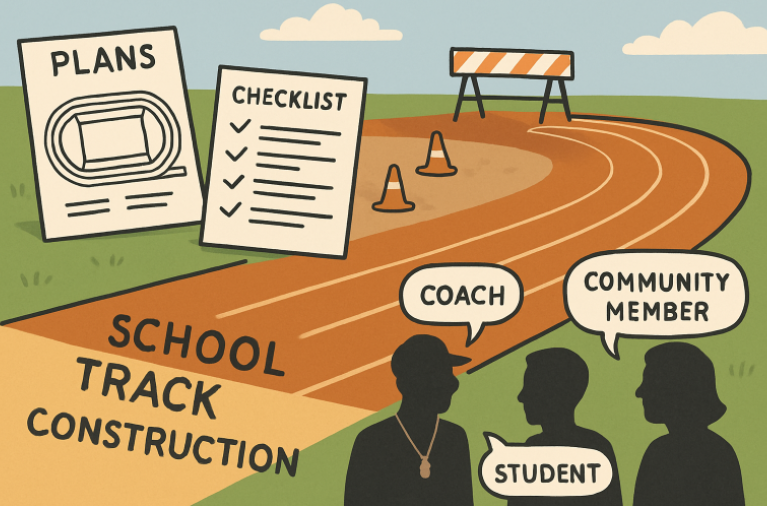
Building a track facility is a significant step for any school or community. It requires foresight, proper planning, and strategic decision-making to avoid missteps that can prove costly in the long run. Before breaking ground, it is vital to understand the complexities of designing a durable and functional track. Factoring in everything from budgeting to community relations ensures that your investment stands the test of time. For example, the right choice in track and field recreational flooring can make a lasting impact on the safety and quality of the athletic space.
Neglecting important steps in the early stages can result in setbacks, dissatisfied stakeholders, and facilities that do not meet athletic or community needs. With proper attention to detail and by addressing common pitfalls, schools can maximize their project’s benefits and avoid the headaches associated with poorly planned construction. In addition, thoughtful engagement with environmental and regulatory considerations will help secure both legal compliance and neighborhood harmony.
1. Insufficient Planning and Budgeting
One of the most prevalent errors in building a track facility is failing to thoroughly plan or budget for the various components necessary for a successful project. Initial cost projections may seem manageable, but often fail to consider vital aspects like land preparation, state-of-the-art drainage systems, lighting, and durable materials. For example, hidden soil instability can result in substantial, unexpected expenses. Schools often overlook these factors, leading to budget overruns and project delays.
Beyond immediate costs, there should be thoughtful consideration of financing options, fundraising strategies, and grant opportunities dedicated to school sports facilities. Overlooking long-term budgeting, including operation and possible replacement of equipment, can lead to a situation where the facility quickly becomes obsolete or unsustainable. It is helpful to create both a short and long-term budget, allowing for adjustments as new information or challenges arise, so surprises don’t derail the entire initiative.
2. Neglecting Environmental and Community Impact
Environmental impact assessments and community consultations are often missed in the rush to begin construction. Issues such as water runoff, noise, neighborhood access, and even the effects of artificial turf must be considered. Failing to address regulatory requirements for stormwater drainage, for example, can cause both community friction and expensive remediation. Proactive engagement with neighbors also helps foster trust and uncover potential concerns before they escalate. Schools can benefit from tools and guidelines offered by organizations such as the EPA for sustainable stormwater management.
In addition, schools should conduct thorough environmental studies prior to construction, reviewing potential effects on local wildlife and the natural ecosystem. Incorporating green spaces or bioswales can improve stormwater management and add aesthetic value, making the facility a community asset rather than a burden. Adjusting construction schedules to minimize disruption, particularly during school hours or community events, demonstrates respect for the needs and routines of neighboring residents.
3. Overlooking Stakeholder Input
Excluding coaches, current athletes, physical education staff, and community members from the planning process often leads to a facility that falls short of user needs. Open dialogue with those who will use the track most ensures the design allows for a wide range of activities and maximizes utility. This collaboration can increase satisfaction and support for the project while helping uncover usage considerations that might otherwise be missed.
Regular feedback sessions, surveys, and open forums throughout the design and construction phases foster a sense of shared responsibility and generate useful ideas. Establishing a diverse planning committee can help ensure that all voices are heard and that the final product is a reflection of the larger school and community vision.
4. Inadequate Facility Design
Facility design must balance usability, safety, and compliance with athletic standards. Overlooking factors like proper lane dimensions, surface selection, and field event layouts can create hazards and diminish performance. Track layouts with sharp turns, insufficient runoff areas, or subpar materials lead to higher injury risk and maintenance costs. Adhering to standards set forth by governing bodies is essential for safety and competition eligibility.
Additional considerations include providing adequate seating, shade, and accessibility features such as ramps and ADA-compliant viewing areas. Integrating multi-use spaces, like fields for soccer or community gatherings, into the facility design increases versatility and value long-term.
5. Ignoring Maintenance and Future Expansion
Maintenance planning is crucial for protecting the extensive investment made in a new facility. Creating a routine inspection and care checklist helps prevent premature wear and infrastructure breakdown. In addition, projecting how needs may change over time allows schools to design for future expansion. Whether it’s additional athletic programs or new community events, scalable facilities are both cost-effective and better positioned to serve evolving needs.
Including secure storage, sheltered areas for equipment, and access points for routine maintenance vehicles can significantly extend the life of the facility. Proactively budgeting for ongoing upkeep and making plans for potential expansion, like adding more lanes or enhancing lighting, ensures that the facility continues to meet needs without major disruptions.
6. Underestimating Regulatory Requirements
Zoning regulations, building codes, and accessibility standards can be complex and can stall projects if not thoroughly researched and followed. Failing to secure the right permits or misinterpreting code requirements can lead to costly halts and even require partial demolition to remedy errors. Schools should work closely with local planning departments and code enforcement from the outset to ensure all standards are met, and any changes to plans are documented and approved.
It’s wise to consult with legal and regulatory experts throughout the process to clarify any ambiguous requirements and provide documentation if needed. Clear record-keeping and compliance with all rules ensure smoother project progression and reduce the risk of unforeseen legal barriers.
7. Poor Contractor Selection
Choosing experienced contractors with a proven record in sports facility construction is vital. Unqualified builders can result in poor execution, low-quality materials, or missed deadlines. Comprehensive vetting, reference checks, and reviewing completed projects will help ensure the partnership leads to the best outcome. Contractual clarity on timelines, materials, and accountability is also essential.
Establishing clear expectations in the contract for ongoing communication, reporting, and dispute resolution further helps pave the way for a successful construction process and minimizes misunderstandings.
8. Lack of Contingency Planning
Unexpected events such as severe weather, supply chain disruptions, or workforce shortages can compromise schedules and budgets. Establishing a robust contingency plan that addresses potential risks helps keep construction on track and safeguards the school’s investment. This might include flexible timelines, sourcing backup materials, and maintaining open communication with stakeholders.
By conducting regular risk assessments and building redundancy into key supply and labor contracts, schools can adapt more easily to unforeseen circumstances and avoid major setbacks.
By avoiding these common mistakes, schools set themselves up for success with safe, functional, and enduring track facilities that serve athletes and the community well into the future. Thoughtful planning, strong communication, and a proactive approach to both immediate and long-term needs will result in a facility that is truly an asset for generations.