
Introduction
Natural disasters, emergencies, and humanitarian crises are increasing across the globe. In such critical situations, disaster response teams serve as the backbone of rescue, relief, and recovery operations. A common question often asked by policymakers, communities, and organizations is how can we empower the disaster management crew to perform their duties more effectively.
Empowering these teams is not just about providing equipment. It involves training, technological support, mental health care, leadership systems, and strong coordination between agencies. When disaster response teams are well-equipped and properly supported, they can save more lives and minimize damage during emergencies.
Understanding how can we empower the disaster management crew helps governments, NGOs, and communities build resilient disaster response systems that operate efficiently even under extreme pressure.
Why Empowering Disaster Management Crews Is Essential
Disaster management crews often operate in chaotic environments where every second counts. Their responsibilities include search and rescue operations, medical aid, evacuation, infrastructure assessment, and coordination with emergency services.
Without proper empowerment, these teams may face limitations such as insufficient training, outdated tools, poor communication networks, and psychological stress.
Some major reasons why strengthening disaster response teams is critical include:
-
Faster emergency response times
-
Improved coordination between agencies
-
Better decision-making in crisis situations
-
Increased survival rates for affected communities
-
Enhanced resilience during large-scale disasters
When discussing how can we empower the disaster management crew, it is important to look at structural improvements across multiple levels of disaster preparedness.
Key Strategies to Empower Disaster Management Crews
One of the most effective ways to strengthen emergency response teams is by focusing on strategic improvements in training, resources, and coordination.
Strategic Empowerment Framework
| Empowerment Area | Key Actions | Expected Impact |
|---|---|---|
| Training & Skill Development | Regular drills, simulation exercises, and certification programs | Faster response and improved decision-making |
| Technology Integration | Use of drones, AI analytics, and GIS mapping | Real-time situational awareness |
| Resource Availability | Adequate rescue equipment, vehicles, and emergency supplies | More efficient rescue operations |
| Interagency Coordination | Collaboration between government agencies, NGOs, and local communities | Reduced response delays |
| Mental Health Support | Counseling, stress management programs, and rest cycles | Improved long-term performance |
These strategies provide a comprehensive answer to how can we empower the disaster management crew while ensuring operational efficiency during emergencies.
The Role of Technology in Disaster Management Empowerment
Modern technology plays a transformative role in disaster response operations. Advanced tools can significantly improve situational awareness and coordination during emergencies.
Some important technological tools include:
-
Satellite-based disaster monitoring
-
Artificial intelligence for predictive analytics
-
Geographic Information Systems (GIS) mapping
-
Drone surveillance for inaccessible areas
-
Emergency communication platforms
Technology allows disaster response teams to assess damage quickly and plan rescue missions with greater accuracy.
Disaster Response Technologies and Their Benefits
| Technology | Purpose in Disaster Management | Benefit for Response Teams |
|---|---|---|
| Drones | Aerial damage assessment | Faster identification of affected zones |
| GIS Mapping | Real-time disaster mapping | Better coordination and planning |
| AI Predictive Models | Forecast disaster patterns | Improved preparedness |
| Satellite Monitoring | Large-scale environmental monitoring | Early warning capabilities |
| Mobile Emergency Apps | Communication and reporting | Faster information sharing |
By investing in these solutions, governments can address the critical challenge of how can we empower the disaster management crew in modern disaster scenarios.
Importance of Training and Capacity Building
Training remains one of the most powerful tools in disaster management empowerment. Disaster crews must be prepared to respond to various types of emergencies, including earthquakes, floods, wildfires, pandemics, and industrial accidents.
Effective training programs often include:
-
Emergency medical response training
-
Urban search and rescue simulations
-
Fire and hazardous material response training
-
Disaster risk reduction education
-
Leadership and crisis decision-making workshops
Continuous training ensures that disaster response teams remain prepared for unpredictable situations.
Strengthening Coordination and Communication Systems
During emergencies, poor communication can delay rescue operations and increase risks for both victims and responders. Establishing strong communication networks is therefore essential.
Effective coordination can be achieved through:
-
Unified command systems
-
Real-time communication platforms
-
Integrated emergency operation centers
-
Multi-agency coordination drills
-
Community volunteer networks
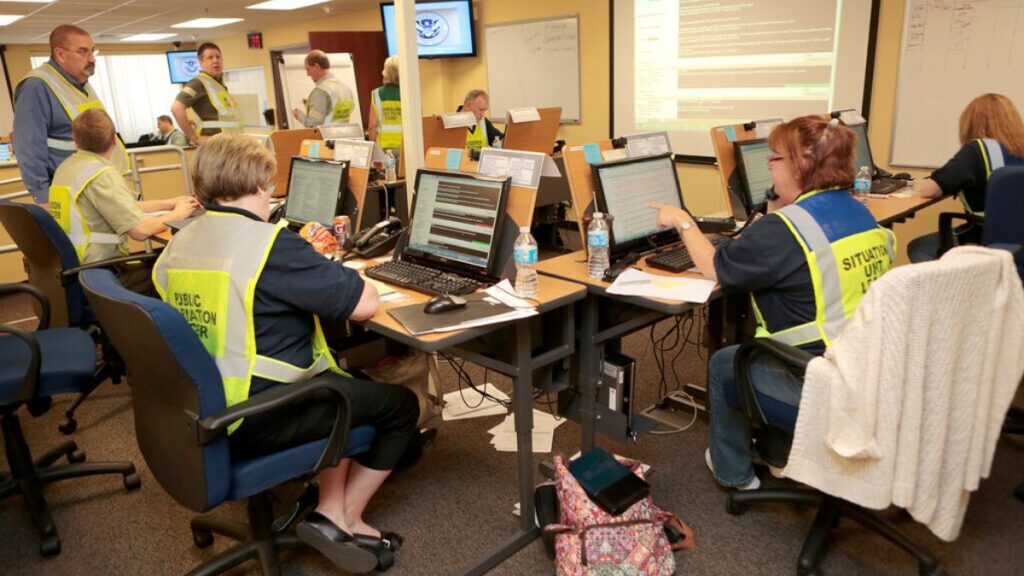
These systems help create a well-organized disaster response environment where teams can act quickly and efficiently.
Supporting the Mental Health of Disaster Response Teams
Disaster response work can be physically and emotionally exhausting. Exposure to traumatic events often leads to stress, burnout, or psychological fatigue among emergency responders.
Supporting mental health is a crucial step in understanding how can we empower the disaster management crew.
Key Mental Health Support Measures
| Support Strategy | Description | Benefit |
|---|---|---|
| Psychological Counseling | Professional counseling sessions after major incidents | Reduces trauma impact |
| Stress Management Training | Programs teaching coping techniques | Prevents burnout |
| Rotational Deployment | Scheduled rest periods for responders | Maintains long-term performance |
| Peer Support Networks | Team-based emotional support systems | Encourages resilience |
Providing mental health support ensures that disaster management teams remain strong, motivated, and capable of handling future emergencies.
Community Participation in Disaster Management
Empowering disaster management crews also requires active participation from local communities. When communities are trained and informed, they can support rescue operations and reduce the burden on professional responders.
Community-based disaster preparedness may include:
-
Volunteer emergency response teams
-
Local disaster preparedness training
-
Public awareness campaigns
-
Neighborhood evacuation planning
-
Community early warning systems
By working together, communities and disaster response teams can build a more resilient disaster management ecosystem.
Policy and Government Support
Government policies play a major role in determining the strength of disaster management systems. Strong legislation, funding, and institutional support are essential for empowering emergency responders.
Key policy actions may include:
-
Increased disaster management funding
-
Establishment of national emergency response agencies
-
Investment in advanced technology infrastructure
-
International cooperation for disaster preparedness
-
Standardized training and certification programs
Such initiatives directly contribute to solving the challenge of how can we empower the disaster management crew at a national and global level.
Frequently Asked Questions
How can we empower the disaster management crew effectively?
To empower disaster management crews effectively, governments and organizations must focus on training, advanced technology, resource allocation, mental health support, and strong communication systems.
Why is empowering disaster response teams important?
Empowering disaster response teams improves emergency response speed, enhances coordination, and increases the chances of saving lives during disasters.
What role does technology play in empowering disaster management crews?
Technology provides tools like drones, GIS mapping, and predictive analytics that help responders assess disaster zones quickly and plan efficient rescue operations.
How can communities support disaster management crews?
Communities can assist by participating in preparedness programs, volunteering during emergencies, and following disaster response guidelines provided by authorities.
What challenges do disaster management crews face?
Common challenges include limited resources, communication breakdowns, high stress levels, unpredictable disaster conditions, and coordination difficulties between agencies.