
Electrical safety is a top priority for any homeowner. Simple precautions can make a significant difference in preventing household hazards. Whether you are tackling small DIY projects or maintaining your everyday appliances, a proactive safety approach is essential. For expert electrical care and licensed repairs, consult professionals such as Capitol Hill Electric to help ensure your home stays safe for everyone.
Understanding the most effective electrical safety practices can mean the difference between a worry-free environment and serious accidents. Every home, new or old, benefits from regular maintenance, proper installation techniques, and awareness of potential risks. These preventative steps are crucial for protecting your loved ones and property.
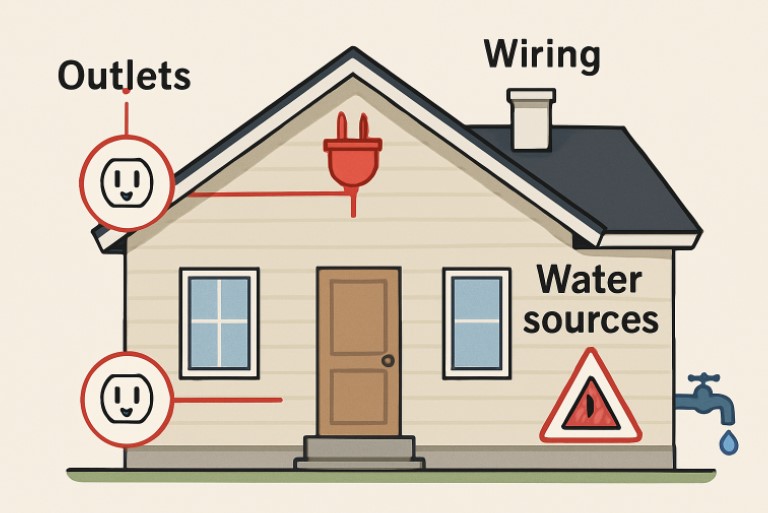
Awareness is the first line of defense. Hazards such as outdated wiring, overloaded outlets, or improperly placed extension cords can pose significant dangers if left unaddressed. Staying vigilant and responsive keeps your electrical system running smoothly and prevents emergencies before they occur.
Applying expert-endorsed safety tips is straightforward and cost-effective. Homeowners should learn how to spot warning signs, understand basic systems, and know when a licensed electrician’s guidance is required. This proactive mindset will help mitigate the threat of electrical fires, shocks, and costly repairs.
Conduct Regular Electrical Inspections
Routine inspections of your home’s electrical system are vital. Signs like flickering lights, warm switches, or strange burning odors require immediate attention. Proactively checking outlets and panels can uncover issues before they escalate. The National Fire Protection Association offers guidelines that help families reduce the risk of electrical fires by encouraging regular safety assessments.
Install and Test GFCIs
Ground Fault Circuit Interrupters protect against severe electrical shock and are required in areas where water may be present, such as kitchens, bathrooms, laundry rooms, and outdoor locations. These devices quickly cut off power in the event of a ground fault. To ensure your GFCIs operate correctly, press the “Test” and “Reset” buttons monthly. This simple task can save lives and reduce the risk of shock injuries, especially in homes with children and seniors.
Avoid Overloading Circuits
Plugging too many devices into a single circuit can lead to overheating, breaker trips, or fire hazards. Distribute your appliances across various outlets and avoid daisy-chaining power strips. If your home experiences frequent breaker trips or lights dim when major appliances run, it could be a sign that your panel is outdated and needs a professional evaluation. Additional insights about safe electrical loads can be found on the Electrical Safety Foundation International website.
Use Extension Cords Properly
Extension cords are suitable for short-term usage only. Avoid the temptation to use them as a permanent fixture, as prolonged use can result in wear and overloading. Check cords regularly for fraying or damage, and never run them under carpets or through doorways where they may become pinched. Always ensure you are using cords rated for the wattage required by your connected devices.
Keep Electrical Devices Away from Water
Electricity and water are a notorious hazard combination. Appliances should always be kept at a safe distance from sinks, bathtubs, pools, and outdoor hoses. Use only weatherproof outlets and enclosures in outdoor and damp locations, and always dry your hands thoroughly before operating electrical switches or plugs. Even a small amount of moisture can create a pathway for electric shock.
Replace Damaged Wiring Immediately
Frayed or exposed wires are one of the leading causes of household electrical fires. Inspect cords and wiring throughout your home and discard any that show evidence of damage. Electrical tape may seem like a quick fi,x but it is not a reliable long-term solution. A qualified professional should always perform proper repairs or replacements to ensure your system remains safe and compliant with local codes.
Understand Your Breaker Panel
Getting to know your breaker panel is essential for troubleshooting and emergency response. Take time to label each circuit so you can quickly cut power to key areas if necessary. Understanding how to reset a tripped breaker is a valuable skill for any homeowner, but persistent problems should only be addressed by certified electricians. Familiarity can help you avoid dangerous improvisation during a crisis.
Seek Professional Help When Necessary
Attempting complex electrical work without formal training carries significant risks. While small tasks like changing a lightbulb or resetting a breaker are typically safe, more involved repairs and replacements must be handled by a licensed electrician. When in doubt, always prioritize safety and let experienced professionals investigate and correct potential hazards. Not only does this prevent injuries, but it also ensures compliance with all building codes and insurance requirements.
Prioritizing electrical safety provides ongoing peace of mind for every household. By staying informed and practicing these essential tips, homeowners can dramatically lower the risk of shocks, fires, and system failures. Maintain vigilance and do not hesitate to call in the experts when you encounter complex or persistent issues.