
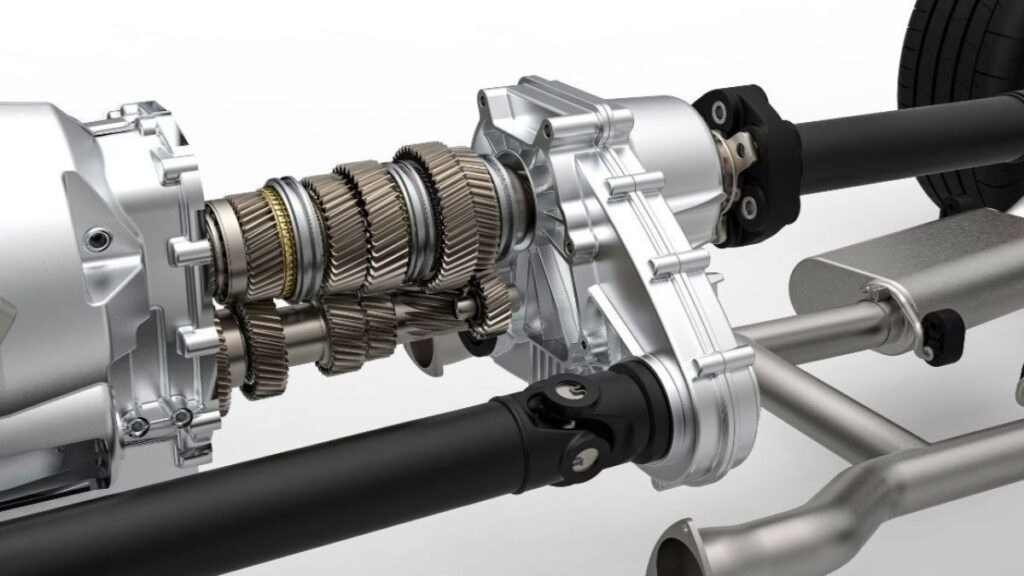
Are you ready to hit the trails and tackle rugged terrains? If you’re an off-roading enthusiast, understanding your vehicle’s mechanics is crucial. One of the most vital components that often goes unnoticed is the transfer case. This essential piece of equipment can significantly enhance your driving experience in challenging conditions. Whether you’re scaling steep hills or navigating through mud, knowing how a transfer case works can make all the difference between smooth sailing and getting stuck. Let’s dive into what a transfer case really is and discover how it can transform your off-road adventures!
What is a Transfer Case?
A transfer case is a crucial component in four-wheel-drive (4WD) and all-wheel-drive (AWD) vehicles. It sits between the transmission and the drive shafts, playing an essential role in distributing power to both the front and rear axles. This distribution allows for improved traction on various terrains.
In simple terms, think of it as a central hub that manages how your vehicle handles different driving conditions. Whether you’re cruising on highways or tackling rocky paths, the transfer case helps optimize performance by adjusting torque levels.
Transfer cases can come equipped with features like low-range gearing for steep inclines or slippery surfaces. By engaging these settings, drivers can enhance control when facing challenging obstacles. Understanding this fundamental part of your off-road vehicle will empower you to make informed decisions during your adventures.
Types of Transfer Cases
When diving into the world of transfer cases, you’ll discover several types designed for various driving needs.
The most common type is the two-speed transfer case. It typically features a high range for everyday driving and a low range that enhances torque for off-roading adventures.
Next up are single-speed transfer cases. These provide a straightforward setup with no gear shifting involved, making them ideal for vehicles primarily used on paved roads.
For those seeking ultimate versatility, there’s the electronic transfer case. This system allows drivers to easily switch between settings using buttons or switches in the cabin, adapting quickly to changing terrain conditions.
We have full-time four-wheel drive systems equipped with a center differential. These enhance traction on slippery surfaces without requiring driver input while optimizing performance across diverse terrains. Each type comes with its own benefits and drawbacks tailored to different off-roading experiences.
How Does a Transfer Case Work?
A transfer case serves as the heart of a four-wheel-drive system. It connects the transmission to the front and rear axles, allowing power distribution based on driving conditions.
When you engage 4WD, the transfer case shifts gears to redirect torque. This process can involve high or low range settings, catering to different terrains. In high range, your vehicle gains speed for normal driving situations. The low range setting is designed for tough off-road challenges where maximum torque is essential.
Inside a transfer case are various components like chains or gears that manage this power flow. When navigating rough terrain, these parts work in harmony to ensure optimal traction and control.
Drivers often need to switch between modes depending on their environment—snowy roads may require one setting while rocky paths call for another. Understanding how this mechanism operates can enhance your off-roading experience tremendously.
Choosing the Right Transfer Case for Your Off-Road Vehicle
Selecting the right transfer case for your off-road vehicle is crucial for optimal performance. Start by considering the type of terrain you plan to tackle. Different environments demand unique capabilities.
Next, assess your vehicle’s drivetrain configuration. A compatible transfer case will ensure smooth power delivery and enhance traction when navigating rough landscapes.
Think about gear ratios as well. Lower ratios provide better torque, perfect for steep inclines or rocky paths, while higher ratios offer speed on smoother surfaces.
Don’t forget about weight considerations too; a heavier transfer case can affect overall handling and fuel efficiency. Look into aftermarket options that might provide the upgrades necessary for your specific needs.
Consult with fellow enthusiasts or professionals in the field to gather insights and recommendations tailored to your situation. Each choice shapes how you conquer those adventurous trails ahead!
Maintenance and Troubleshooting Tips
Regular maintenance is key to a well-functioning transfer case. Start by checking the fluid levels frequently. Low fluid can lead to overheating, so ensure it’s topped off with the correct type.
Listen for unusual noises while driving. Grinding or clunking sounds could indicate wear on internal components. Don’t ignore these signs; they often signal that something needs attention.
Inspect seals and gaskets for leaks periodically. Even minor leaks can escalate into more significant problems if left unchecked.
When shifting between modes, do it slowly and deliberately to avoid stressing the system. Sudden changes can cause damage over time.
If you experience difficulty engaging certain gears, consider having your linkage adjusted or inspected. Misalignment may be at fault rather than an internal issue in the transfer case itself.
Keeping an eye out for these details will help extend the life of your transfer case and improve its performance on tough terrains.
Off-Roading Techniques with a Transfer Case
Off-roading requires skill, and your transfer case plays a pivotal role in mastering various techniques. Understanding how to utilize low-range gearing can significantly enhance traction on steep inclines or slippery surfaces. This setting provides the torque needed for climbing without risking engine strain.
When navigating rocky terrains, engage four-wheel drive to ensure power is distributed evenly across all wheels. This approach minimizes wheel slippage and keeps you moving forward.
For water crossings, switch to neutral while maintaining momentum. A properly functioning transfer case will help prevent hydrolocking by allowing torque distribution even when submerged.
Always be aware of your surroundings. Use the transfer case effectively when making sharp turns or maneuvering around obstacles; this helps maintain control and stability throughout challenging paths.
Each terrain presents its unique challenges; understanding how to manipulate your vehicle’s capabilities ensures an exhilarating off-road experience every time you venture out.
Conclusion: Enhance Your Off-Roading Experience with a Transfer Case
Upgrading your off-roading experience begins with understanding the transfer case. This vital component plays a crucial role in how your vehicle performs on rugged terrains, ensuring power is distributed effectively to all wheels when needed. Whether you’re navigating through mud, climbing steep hills, or crossing rocky paths, a well-functioning transfer case can make all the difference.
Choosing the right type of transfer case for your specific vehicle and needs will enhance traction and stability. Regular maintenance keeps everything running smoothly, reducing the risk of breakdowns during an adventure. Troubleshooting minor issues early can save time and prevent complications down the road.
As you hit those trails, remember that mastering off-roading techniques with an effective transfer case amplifies your control over challenging terrain. You’ll find yourself more confident in tackling new obstacles as you learn how to engage different modes.
Investing time into understanding and maintaining this essential component not only improves performance but also enriches every journey off-road presents. Embrace what it has to offer; it’s all about enhancing each drive into uncharted territory.