
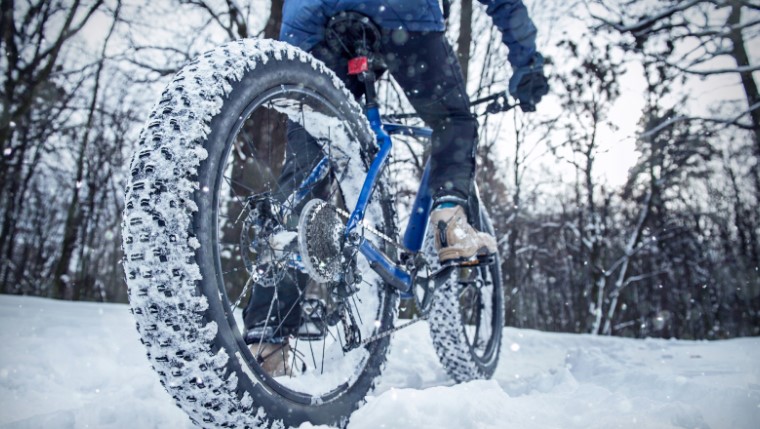
Winter riding demands more than just extra layers, it calls for a bike built to handle unstable terrain, low traction, and unpredictable conditions. Snow- and ice-covered paths reduce grip and amplify balance challenges, making standard bikes harder to control and less reliable. This is where a fat tire electric bike stands out.
With oversized tires designed to distribute weight evenly and maintain surface contact, these bikes deliver superior stability and confidence on slick winter surfaces. The electric assist adds consistent power when pedaling through resistance-heavy snow, helping riders maintain momentum without overexertion.
For anyone who wants to keep riding safely and comfortably through winter, a fat tire electric bike offers the control, traction, and support that cold-weather conditions demand.
The Science Behind Fat Tire Performance
You need more than guts to ride in winter, you need technology on your side. Let’s break down why certain bikes dominate when conditions get nasty.
How Wide Tires Create Superior Grip
The physics? Pretty straightforward, actually. A fat tire electric bike spreads your body weight across way more surface area than those skinny tires you’re used to.
Lower pressure per square inch means you’re floating over snow instead of slicing through it like a hot knife through butter. Remember snowshoes? Same principle. Regular narrow tires just sink and slide around.
Tread Patterns That Actually Work
Tread design matters enormously in winter. Those deep, spaced-out knobs? They bite into slush and powder when you really need traction. Advanced patterns include siped blocks, little razor cuts in the rubber that multiply your gripping edges on ice.
Self-cleaning designs matter too. Snow packing between knobs transforms your grippy tire into something resembling a hockey puck.
Cold-Weather Rubber Compounds
Standard bike rubber gets rock-hard once frost hits, and hard rubber slides. Winter-specific compounds maintain flexibility even at brutal temperatures. That flexibility keeps consistent ground contact rather than skittering across frozen surfaces.
Electric Motor Advantages for Winter Conditions
The motor isn’t just about convenience, it fundamentally changes your safety equation on slippery surfaces.
Instant Torque for Better Traction
Electric motors push power smoothly and immediately. Compare that to the lurching force generated by aggressive pedaling, which brakes traction constantly. You can fine-tune your assistance level, which becomes critical when you’re managing limited grip.
Mid-drive systems usually balance weight better than hub motors, dropping your center of gravity for enhanced stability.
Regenerative Braking Benefits
Descending icy hills? That’s where things get hairy. Regenerative braking gives you deceleration without hammering your mechanical brakes.
This gradual slowdown cuts your skid risk while trickling charge back to your battery. Sure, it’s not a massive range extension, but every electron counts when cold already hammers your battery capacity.
Tire Width and Pressure Settings for Different Conditions
Your setup choices separate confident riding from terrifying white-knuckle experiences.
Choosing the Right Width
Winter tires ranging from 3.8 to 5 inches generally perform well. Wider doesn’t automatically mean better, you’re balancing traction against handling. Four-inch tires hit that sweet spot for most mixed-condition winter riding.
Planning to add fenders? Check frame clearance carefully. Snow and slush accumulation demand extra room.
PSI Adjustments That Matter
For ice conditions, fat tire e-bikes typically perform optimally between 5 and 12 PSI, depending on your weight and terrain, lower pressure expands your contact patch for improved grip.
Try starting around 10 PSI on packed snow, then drop to 7-8 PSI for loose powder. Experimentation is unavoidable. Heavier riders typically run marginally higher pressures to prevent pinch flats.
Real-Time Monitoring
Bluetooth tire pressure monitors alert you to drops, and plenty of riders swear by them. Cold air contracts, naturally dropping your PSI as temperatures sink. Checking pressure before each ride becomes automatic through winter.
Battery Performance in Freezing Weather
Cold weather absolutely punishes your battery, so understanding this helps you plan rides intelligently.
How Cold Affects Battery Chemistry
Below-freezing temperatures (32°F) can slash e-bike battery range by 20 to 30%. Lithium-ion battery chemistry crawls when it’s cold, reducing both available capacity and power delivery.
This isn’t permanent harm if you’re smart about it. Just physics is temporarily working against you.
Insulation Techniques That Work
Store your battery inside overnight and mount it right before riding. Neoprene battery covers provide insulation layers that preserve temperature during rides.
Some riders wrap hand warmer packets in cloth and position them near batteries for extended trips. Pre-warming batteries to room temperature before departure recovers most lost range.
Planning for Reduced Range
If your electric bike for snow typically delivers 50 miles, expect 35-40 in freezing conditions. Pack a spare battery for longer journeys, or route yourself past charging locations.
Conservative planning beats getting stranded when it’s freezing.
Essential Components for Winter Riding
Motors and tires alone don’t complete the picture. Several additional features boost winter safety and comfort.
Hydraulic Disc Brakes
These brakes dramatically outperform rim brakes in wet, icy scenarios. Mineral oil systems generally excel in extreme cold compared to DOT fluid versions. Target at least 180 mm rotors for adequate stopping force when conditions deteriorate.
Lighting for Short Days
Winter means darkness, period. Powerful front and rear lights aren’t suggestions, they’re survival equipment for visibility. Shoot for a minimum of 500 lumens up front.
Reflective elements on both the bike and clothing amplify your visibility, especially when falling snow reduces sightlines.
Fender Systems
Comprehensive fenders shield you and your components from snow and slush. Flexible plastic fenders survive impacts better than rigid aluminum when you’re navigating frozen ruts. Verify adequate clearance for fat tires plus inevitable snow buildup.
Riding Techniques for Snow and Ice
Equipment only gets you halfway. Technique completes your safe winter riding package.
Body Position Strategies
Stay relaxed and center your weight. Death-gripping handlebars transmit every slip through your arms, increasing overcorrection risks. Keep elbows and knees slightly bent to cushion unexpected movements.
Sit more than summer riding. Standing elevates your center of gravity and shrinks tire contact patches.
Managing Pedal Assist Levels
Begin with the lowest assist on ice or hard-packed snow. Excessive power instantly breaks traction. Gradually increase assistance as speed and confidence build.
Smooth, consistent power demolishes aggressive acceleration every time. Most winter electric bike riders discover that levels 1-2 handle tricky sections, while 3-4 work for clear stretches.
Top Models for Winter Excellence
Certain bikes shine for winter performance, though your selection hinges on budget and requirements.
Premium Options
High-end models typically sport dual motors delivering all-wheel drive capability, substantially boosting traction. They pack larger batteries to compensate for cold-weather range losses.
Anticipate paying $3,000-$6,000 for this category. These bikes frequently include suspension systems, managing jarring impacts from frozen ruts and ice chunks better than rigid frames.
Mid-Range Value
The $1,500-$3,000 range delivers solid winter performance minus premium costs. You’ll find single motors with respectable torque, quality hydraulic brakes, and legitimate fat tires.
These bikes skip luxury features but deliver reliable results. Many riders find this category provides everything genuinely needed for confident winter cycling.
Budget-Friendly Choices
Under $1,500, capable winter bikes exist, though selectivity matters. Verify actual fat tires, some budget bikes market slightly wider tires as “fat” that underperform. Confirm hydraulic disc brakes are included; this safety feature justifies spending extra.
Comparison of Winter E-Bike Features
| Feature | Budget ($1,500) | Mid-Range ($2,500) | Premium ($4,500) |
| Motor Power | 500W | 750W | 1000W+ |
| Tire Width | 3.8-4.0″ | 4.0-4.5″ | 4.5-5.0″ |
| Battery Capacity | 10-12 Ah | 15-17 Ah | 20 Ah+ |
| Winter Range | 20-25 miles | 30-35 miles | 45-50 miles |
| Brake Type | Mechanical disc | Hydraulic disc | Hydraulic disc (oversized) |
| Suspension | None/basic | Front | Full suspension |
Final Thoughts on Winter E-Biking
Winter riding on the best e-bike for ice transforms cold months from cycling dead zones into genuine adventure opportunities. Fat tires deliver traction, electric motors provide controlled power, and proper cold-weather preparation creates experiences that are both practical and legitimately enjoyable.
Yes, there’s a learning curve. Yes, maintenance increases. But riders making this leap consistently discover that year-round cycling becomes not merely feasible but truly rewarding. Don’t surrender winter to the couch, proper equipment unlocks snowy trails and icy commutes you’d otherwise never attempt.
Common Questions About Winter E-Biking
1. Can you really ride through deep snow on these bikes?
Most fat tire e-bikes for winter models confidently handle 4-6 inches of fresh snow. Beyond that depth, pedaling grows progressively difficult despite motor assistance, though it remains possible at reduced speeds.
2. Do I need studded tires for ice?
Studded tires massively enhance ice traction but aren’t mandatory for occasional icy patches. If you’re riding predominantly on ice or hard-packed snow, the investment delivers tangible safety and confidence returns.
3. How much maintenance does winter riding require?
Plan to clean your bike after every snowy ride, preventing salt and grime accumulation. Monthly deep drivetrain cleaning and consistent brake inspections maintain smooth operation throughout the season.