
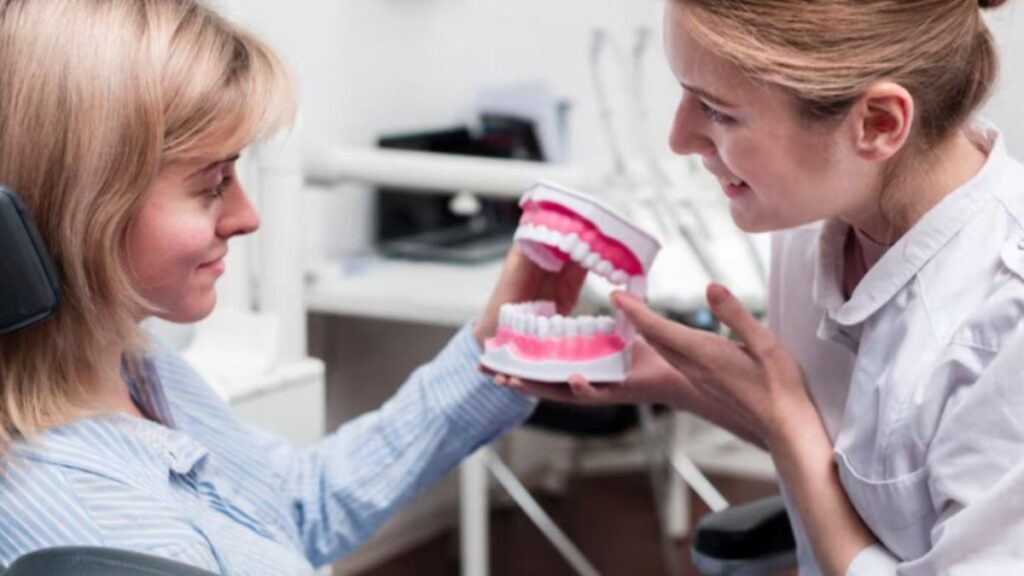
When it comes to restorative dentistry, dental crowns and bridges are vital solutions offered in modern dental clinics. These treatments play a crucial role in repairing and replacing damaged or missing teeth, ensuring both functionality and aesthetics are restored. At My Solutions Dental Clinic, patients often opt for these dental solutions to improve their oral health and personal confidence.
What are Dental Crowns?
Dental crowns are custom-made caps designed to cover and protect damaged or decayed teeth. They are often recommended when a tooth is too weak to hold a filling or for aesthetic enhancement. Crowns can be made from several materials, including porcelain, ceramic, metal, or a combination of materials, tailored to match the patient’s natural tooth colour and provide a seamless look.
When are Crowns Necessary?
Crowns are necessary in several situations, such as covering a tooth that has undergone root canal treatment, protecting a weak tooth from breaking, or restoring a broken tooth. They are also used to cover a dental implant and improve the appearance of discoloured or misshapen teeth. The choice of material for a crown depends on the tooth’s location, the patient’s bite, and aesthetic preferences.
Benefits of Dental Crowns
Dental crowns offer a range of benefits, including restoring the strength and function of natural teeth, providing a protective cover for damaged teeth, and improving the appearance of the smile. They help in maintaining the alignment and spacing of teeth by filling the gap created by a damaged or missing tooth.
What are Dental Bridges?
Dental bridges are used to replace one or more missing teeth. They consist of one or more fake teeth, known as pontics, anchored in place by crowns on either side of the gap. Dental bridges help restore the natural appearance of the teeth and maintain the integrity of the remaining teeth.
Types of Dental Bridges
There are several types of dental bridges, including traditional bridges, cantilever bridges, Maryland bridges, and implant-supported bridges. Each type has its own unique features and is suited to different clinical situations. The choice of bridge depends on the location of the missing tooth, cost considerations, and how much support neighbouring teeth can provide.
When Should You Consider Dental Bridges?
Patients should consider dental bridges when they are missing one or more teeth. Gaps left by missing teeth can cause the remaining teeth to shift, leading to bite problems, discomfort, and an altered facial appearance. By opting for a dental bridge, patients can prevent these issues and enjoy restored oral health and function.
Advantages of Dental Bridges
Dental bridges provide numerous advantages, such as restoring the patient’s smile, maintaining face shape, redistributing bite forces in the mouth, and preventing the remaining teeth from drifting out of place. They provide a relatively quick and low-maintenance way to replace missing teeth, compared to dentures and implants.
The Procedure for Crowns and Bridges
The procedure for dental crowns and bridges involves several steps, usually requiring at least two visits to the dentist. During the first visit, the dentist prepares the tooth (or teeth) by removing a portion of the enamel to make room for the crown or bridge. An impression of the teeth is taken to create a custom fit. A temporary crown or bridge is placed to protect the prepared tooth until the final restoration is ready.
Post-Procedure Care for Crowns and Bridges
Maintaining crowns and bridges involves regular dental check-ups and a consistent oral hygiene routine. Patients should brush and floss daily to remove plaque and prevent decay around the crown or bridge. Avoiding hard or sticky foods can also prolong the lifespan of dental restorations.
Material Considerations
The choice of material for crowns and bridges significantly impacts their durability and appearance. Porcelain and ceramic are popular for their natural tooth-like appearance, particularly in visible areas, while metals offer strength and are less likely to chip. Patients should discuss with their dentist which material best meets their needs.
Cost and Insurance Coverage
The cost of dental crowns and bridges varies based on the material used and the complexity of the treatment. Many dental insurance plans cover a portion of the cost of these restorations, but patients should consult their insurer and dental provider to understand their specific coverage options and out-of-pocket expenses.
Choosing the Right Dental Clinic
Selecting a reputable dental clinic is essential for achieving optimal results with crowns and bridges. Patients should seek clinics that offer comprehensive consultations, experienced dental practitioners, and tailored aesthetic solutions to meet individual needs, like those provided at My Solutions Dental Clinic.
Conclusion
Dental crowns and bridges are integral to modern dentistry, offering effective solutions for restoring and enhancing dental health. By understanding these treatments and following professional advice, patients can significantly benefit from these restorative options, ensuring long-term oral health and an improved quality of life. For reliable treatment and expert care, consider visiting My Solutions Dental Clinic.