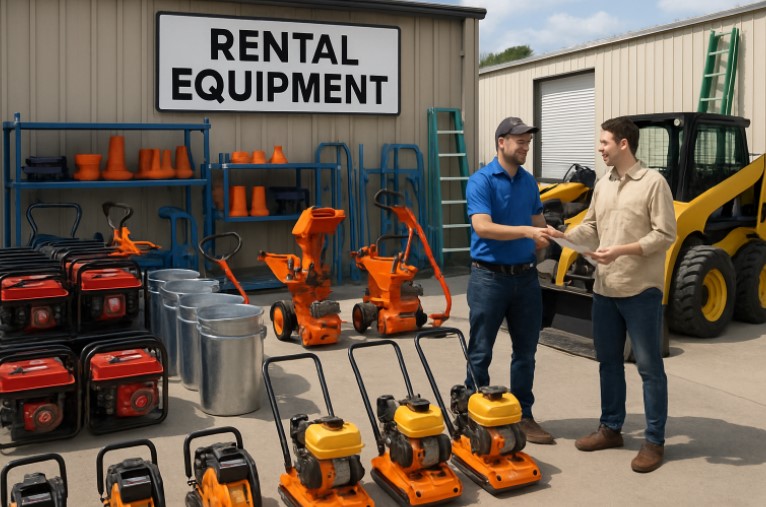
Renting equipment for your next project or event can be a practical way to save money while gaining access to high-quality tools and machinery. However, without proper planning, the process can quickly become stressful and even costly. With the right approach, you can avoid common pitfalls and make your rental experience seamless from start to finish. For those looking to streamline the process, One Call Rentals offers user-friendly solutions and a wide selection of equipment for all types of needs.
By making informed decisions and partnering with reputable rental providers, you can minimize inconvenience and secure the exact equipment necessary to get the job done. Advance preparation, clear communication, and a thorough understanding of rental terms are essential for a smooth and successful experience.
Plan and Book in Advance
One of the main challenges with equipment rental is availability, especially during peak seasons. It’s crucial to book in advance to avoid last-minute shortages, inflated costs, or compromises on quality. Ideally, bookings for small-scale events should be made four to eight weeks ahead, while larger construction projects require at least two to four months of lead time.
Advance booking not only secures your preferred equipment but also gives you more time to compare providers and negotiate favorable terms. Early planning lets you anticipate project needs, adjust logistics, and avoid the stress of rushing decisions. According to The Home Depot’s rental FAQ, reserving early allows for better equipment selection and prevents unnecessary delays on the job.
Choose the Right Rental Partner
Not all rental companies operate at the same level of reliability and service. When researching rental partners, look for those with a proven track record for maintaining their equipment, clear and honest pricing structures, and a reputation for customer service. Well-maintained machinery is crucial to minimizing downtime and avoiding unexpected issues after delivery. It’s worth checking online reviews and seeking recommendations before making a commitment.
Flexibility is another important factor. Your project timeline may shift, or circumstances may change, so choose a rental company that understands these realities and offers flexible rental terms and convenient delivery or pickup options. The ideal partner will act as a collaborator, providing support throughout the rental period and responding quickly to any concerns.
Understand the Rental Agreement
Before finalizing your rental, carefully read through the rental agreement. Contracts can vary significantly in what they cover, from delivery and pickup logistics to equipment handling requirements, payment methods, and return policies. Pay special attention to clauses regarding late returns, damage, and cancellation fees. Understanding these details protects you from unexpected charges and helps prevent disputes later on.
If anything in the agreement is unclear, do not hesitate to ask the rental provider for clarification. Legitimate companies will be transparent and happy to address your questions.
Inspect Equipment Upon Delivery
Always inspect rented equipment upon delivery. Check for any signs of damage, wear, or missing components. Test the equipment to ensure it is fully operational and ready for immediate use. If you identify any issues, document them with photos and alert the rental provider promptly. This documentation is essential to avoid taking responsibility for pre-existing issues when returning the equipment.
Performing these checks might seem time-consuming, but they provide valuable peace of mind and help avoid disputes over damages or malfunctions.
Maintain Clear Communication
Establishing and maintaining open communication with your rental provider is vital. Outline your project requirements and clarify expectations upfront. During the rental period, keep the lines of communication open, especially if you encounter any issues or need to request technical support. Promptly report any damage or malfunctions to avoid misunderstandings regarding liability or repair timelines.
Handle Unexpected Issues Promptly
Even with thorough preparation, challenges can arise. Review the rental company’s protocols for handling equipment failures or emergencies before your project starts. In the event of a problem during your rental period, reach out to your provider immediately so the issue can be resolved with minimal disruption. Many reputable rental companies offer dedicated customer support for such situations, whether that means sending a technician for repairs or providing a replacement unit.
Consider Insurance Options
Accidents, theft, or damage can happen unexpectedly, even with the most careful use of equipment. Ask your rental provider about insurance options, or consider securing additional coverage on your own. Having insurance ensures that you are not financially liable for unforeseen incidents, giving you added peace of mind throughout your rental period.
Final Thoughts
Whether for home improvement, construction, or event planning, a successful equipment rental experience relies on thorough preparation and proactive collaboration with your provider. By planning ahead, choosing the right partner, carefully reading contracts, inspecting your rental, and communicating consistently, you set yourself up for a smooth, hassle-free process. Prioritizing these steps not only saves money and time but also helps ensure your project is completed effectively and on schedule.