
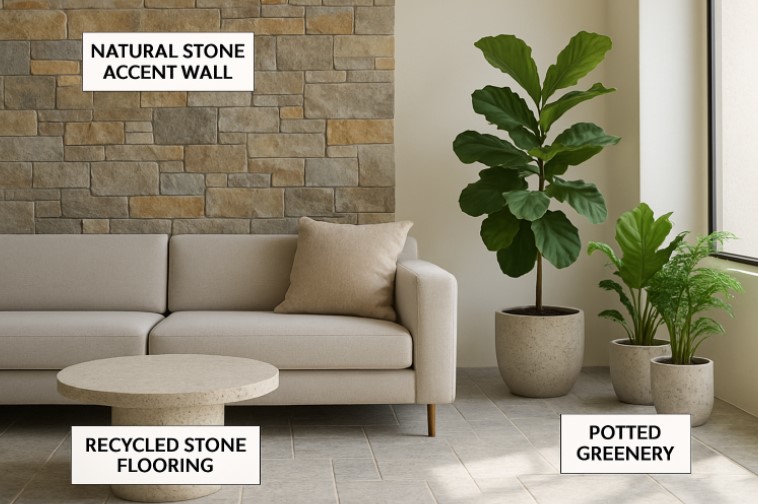
In contemporary interiors and exteriors, incorporating natural stone has become a key trend for creating timeless, elegant spaces. From countertops and flooring to accent walls and outdoor patios, stone adds both durability and aesthetic appeal. Homeowners and designers are increasingly seeking options that balance beauty with sustainability, opting for materials that minimize environmental impact while offering long-lasting performance. Thoughtful stone selection can transform a simple room into a sophisticated retreat, blending modern design with natural textures.
Companies like Lion Stoneworks provide a wide range of stone solutions that align with these sustainable design goals. By focusing on responsibly sourced materials and versatile applications, stonework can enhance residential and commercial projects alike. Integrating these elements thoughtfully allows spaces to feel grounded, luxurious, and environmentally conscious, creating a harmonious balance between natural materials and contemporary design trends.
Engineered Stone with Recycled Content
Engineered stone has become a go-to choice for sustainable design in kitchens, bathrooms, and beyond. Made from 70 to 95 percent recycled content, such as stone fragments and post-consumer glass, these surfaces rival natural stone in appearance and outpace it in terms of performance. They are highly durable, non-porous, and offer consistent color and pattern, making them a practical solution for high-traffic areas such as countertops, floors, and accent walls. By reusing materials that would otherwise end up in landfills, engineered stone products minimize the environmental impact of new construction.
Flexible Stone Veneers
Flexible stone veneers open up new possibilities for contemporary design. Unlike traditional slabs, these products are sliced thin from natural slate, schist, or marble and backed with a supportive material, creating sheets that can curve around columns or wrap intricate architectural features. Flexible veneers are lightweight, easy to install, and reduce waste, as they use less raw material than full-thickness stone. Their adaptability makes them ideal for creative projects that require distinctive shapes and non-linear surfaces. These veneers allow designers to incorporate real stone into unconventional layouts, all while ensuring the process remains eco-conscious.
Utilizing Locally Sourced and Recycled Stone
Locally sourced stone not only adds regional charm to a space but also significantly reduces the environmental impact of transport. By supporting quarries and manufacturers in the local area, projects lower their carbon footprint and contribute to local economies. In addition to raw stone, creative solutions are emerging from recycled materials derived from industrial byproducts. The French design collective Hors-Studio, for example, has pioneered the use of “Leatherstone,” a stone-like product made with discarded leather. This kind of ingenuity demonstrates how waste can be transformed into high-quality, durable furnishings and decor with a striking modern flair.
Natural Textures and Finishes
Choosing finishes that maintain the natural character of stone is another sustainable step. Techniques such as rough-hewn, split-face, and leathered finishes not only preserve the stone’s original state, thereby reducing chemical processing, but also amplify the sensory experience in a room. The texture of unfinished or minimally refined stone adds depth and interest to feature walls, floors, and even tabletops. Designers are increasingly celebrating organic finishes to foster calm and connect occupants to the natural world.
Stone in Outdoor Spaces
Sustainable stone is not limited to interior spaces. Outdoor applications, such as patios, garden paths, fire pits, and retaining walls, benefit greatly from the strength and longevity of natural stone. Stone features serve as cohesive extensions of indoor living areas, blending seamlessly with landscape elements and elevating the home’s curb appeal. The use of regionally available stone ensures harmony with the environment while reducing the environmental costs of extraction and transport.
Biophilic Stone Design Elements
Biophilic design, incorporating elements that mimic or include aspects of the natural environment, has become central to creating modern spaces that prioritize mental well-being. Stone accent walls, flooring, and water features evoke a sense of tranquility and nurture a stronger connection with nature. By seamlessly joining interiors and exteriors through the consistent use of stone, spaces feel more open and rejuvenating, reducing stress and increasing occupants’ comfort.
Health-Focused Stone Spaces
In addition to its visual appeal, natural stone offers important health benefits for modern spaces. Unlike many synthetic building materials, stone is naturally non-toxic and hypoallergenic. This means stone surfaces do not emit volatile organic compounds and tend to harbor fewer allergens than carpet or laminate, resulting in cleaner, healthier indoor air. Furthermore, stone maintains a naturally cool temperature, especially valuable in warmer climates for regulating indoor comfort without additional energy use.
Conclusion
Sustainable stone stands as an ideal choice for those seeking to balance form, function, and environmental stewardship in modern design. By embracing recycled, locally sourced, and innovative stone products, designers can craft spaces that are not only beautiful but also attuned to people’s well-being and the planet’s health. Prioritizing natural textures, thoughtful sourcing, and biophilic design ensures these spaces remain relevant, resilient, and restorative for years to come.