
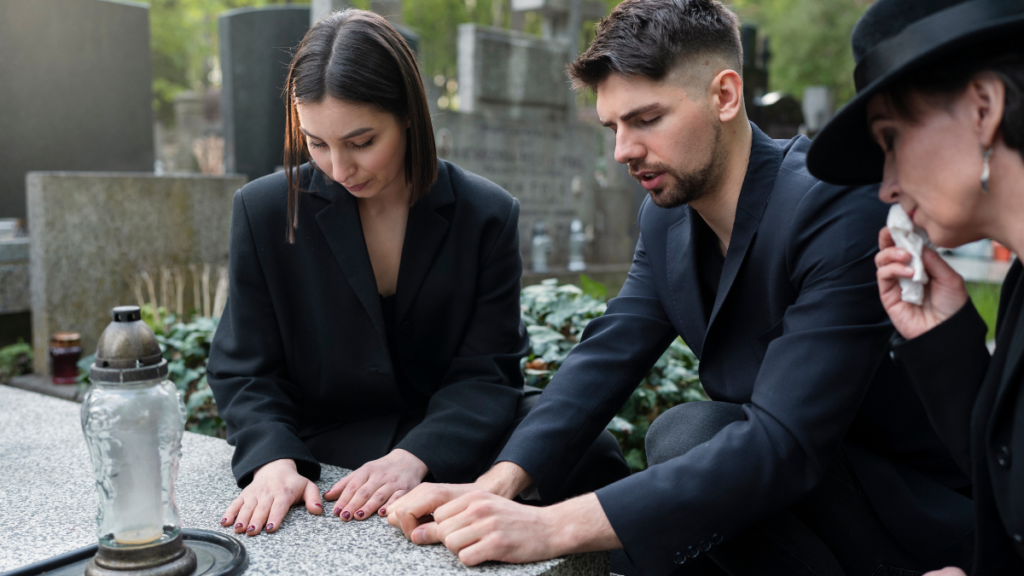
When a loved one passes away, families often feel overwhelmed by the number of decisions that must be made, especially when it comes to choosing a final disposition method that respects both personal wishes and religious traditions. Direct cremations Winchester have become increasingly popular in recent years due to its simplicity, affordability, and flexibility. But one of the most common questions families ask is: “Is direct cremation acceptable in our faith?”
The answer varies depending on religious beliefs, cultural expectations, and individual interpretations. This guide provides a clear overview of how major faith traditions view cremation, helping families make an informed and respectful choice during an emotionally challenging time.
Christianity
Catholicism
For much of its history, the Catholic Church prohibited cremation. That changed in 1963, when the Vatican allowed cremation as long as it was not chosen as a denial of the belief in the resurrection. In 2016, the Church reaffirmed its acceptance of cremation but emphasized that ashes should be buried in a cemetery or sacred place, not scattered or kept at home.
Is direct cremation acceptable?
Yes, direct cremation is acceptable in Catholicism. However, the Church prefers that the cremated remains receive a proper burial and that a funeral Mass or memorial service accompany the cremation.
Protestant Christianity
Most Protestant denominations have few restrictions regarding cremation. The emphasis tends to be on the celebration of life and the soul’s return to God rather than on the physical body. Because of this, many Protestant families choose direct cremation followed by a memorial service at their Church or home.
Is direct cremation acceptable?
Yes. In most Protestant communities, direct cremation aligns well with their beliefs and is widely practiced.
Orthodox Christianity
The Eastern Orthodox Church strongly opposes cremation and requires burial. The body is viewed as sacred and integral to the resurrection, making cremation generally unacceptable.
Is direct cremation acceptable?
Typically, no. Traditional Orthodoxy requires full-body burial.
Judaism
Traditionally, Jewish law requires burial as soon as possible, ideally within 24 hours. Cremation is historically prohibited in Judaism because it involves the destruction of the body, which is considered a vessel entrusted by God.
However, religious observance varies widely in modern Jewish communities. Some Reform or secular Jewish families may choose cremation, though traditional Jewish funeral homes and cemeteries may not accept cremated remains.
Is direct cremation acceptable?
- Orthodox Judaism: Not acceptable.
- Conservative Judaism: Generally discouraged, but may vary.
- Reform Judaism: More flexible, some accept cremation, including direct cremation, depending on personal beliefs.
Islam
Islam strictly prohibits cremation. The faith teaches that the body should be washed, shrouded, prayed over, and buried as soon as possible. Cremation is considered a violation of the body and of Islamic funeral practices.
Is direct cremation acceptable?
No. Direct cremation and all forms of cremation are forbidden in Islam.
Hinduism
Hinduism traditionally encourages cremation as the primary funeral practice. Cremation represents the release of the soul from the physical form, allowing it to move to its next life. Direct cremation aligns with many Hindu customs, though some families prefer additional rituals before the cremation.
Is direct cremation acceptable?
Yes. It is fully acceptable and is the standard practice in Hindu tradition. Families may still wish to include religious rites, such as prayers or offerings, before or after the cremation.
Buddhism
Buddhism is flexible, and funeral practices often depend on cultural traditions rather than strict doctrine. Both burial and cremation are considered acceptable, though cremation is common, reflecting the impermanent nature of physical life. Buddhist families may choose direct cremation followed by a memorial service or chanting ceremony.
Is direct cremation acceptable?
Yes. Direct cremation aligns well with Buddhist beliefs about impermanence and the cycle of rebirth.
Sikhism
Sikhs traditionally prefer cremation, though burial is allowed if cremation is not possible. Funeral rites focus on prayer, community, and the belief in the soul’s journey beyond physical existence. Direct cremation is usually acceptable as long as the family incorporates appropriate prayers or religious observances.
Is direct cremation acceptable?
Yes, with the inclusion of Sikh prayers or rites if the family chooses.
Non-Religious and Spiritual Families
Many people today identify as spiritual rather than religious or belong to no formal tradition. For these families, direct cremation is often seen as a practical, meaningful, and flexible option. It allows families to plan a memorial at any time and in any style that feels authentic.
Is direct cremation acceptable?
Absolutely. For secular families, it is often one of the most preferred choices.
How Families Can Make the Right Decision
Choosing direct cremation is deeply personal. Here are a few ways families can determine whether it’s the right fit:
- Review the loved one’s wishes. Many people specify preferences in advance.
- Consult with religious leaders. Pastors, rabbis, imams, and other faith leaders can offer clarity.
- Consider cultural expectations. Some traditions strongly connect mourning customs with specific rituals.
- Talk with your funeral provider. They can explain local practices and help coordinate religious needs.
Final Thoughts
Direct cremation is widely accepted among many faiths, though not all. For families navigating grief and trying to honor religious beliefs, understanding these differences can bring clarity and peace of mind. Whether chosen for spiritual reasons, financial practicality, or personal preference, direct cremation can be a dignified and respectful option when aligned with the values and traditions of both the loved one and their family.