
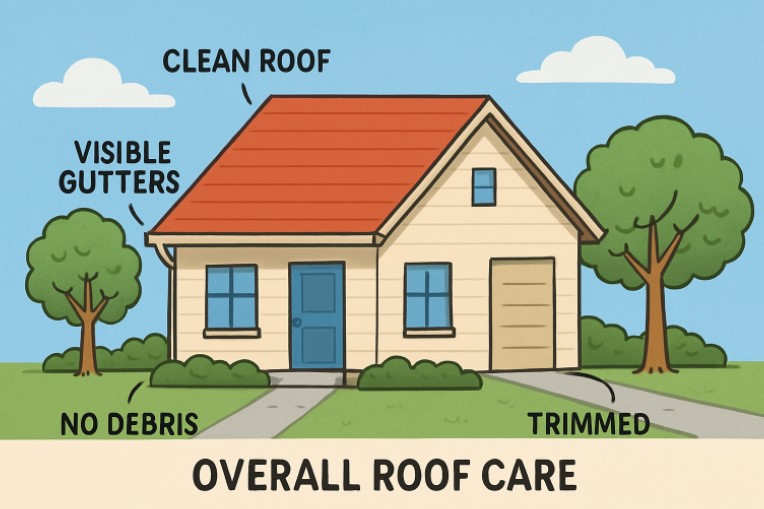
Looking after your roof is crucial for keeping your home safe, attractive, and in good condition. Many homeowners put off roof maintenance, not realizing that small issues can lead to costly damage. Regular attention prevents minor concerns from turning into major headaches. If you want your roof to stand the test of time, use these practical tips to keep it clean and protected every season. For help with trickier jobs, consider hiring expert moss removal specialists BC to ensure your roof remains in great shape.
Even the most well-built roofs need scheduled care. Routine attention deters hazards that can lead to leaks or rot, keeping your home’s interior safe from the elements. Roof care also improves curb appeal and overall property value. By making upkeep a part of your home care regimen, you save yourself expensive repairs down the road.
Schedule Routine Roof Inspections
Regular roof inspections safeguard your home by catching issues before they become emergencies. Twice a year, in spring and fall, walk around your property and check for loose, cracked, or missing shingles. Look inside your attic for signs of leaks or moisture. If you notice anything out of the ordinary or if you do not feel comfortable climbing a ladder, call in a professional. Qualified roofers have the expertise and equipment to thoroughly examine your roof and pinpoint problem areas you might miss.
Keep Your Gutters Clean
Gutters play a vital role in keeping water away from your roof and foundation. Leaves, pine needles, and twigs can quickly clog gutters, especially in the fall or after heavy storms. If gutters get blocked, water can back up onto the roof or spill over, entering the foundation or siding. Clean your gutters at least twice a year or more often if you have overhanging trees. Consider installing gutter guards to reduce how often you need to clean them and to help protect your home from water damage. Regularly clearing out debris helps prevent issues like mold growth and ice dams during the winter months, keeping your roof structure secure.
Trim Overhanging Tree Branches
Overgrown branches brushing against your roof can scrape off protective granules from shingles, accelerating wear. They also drop leaves and branches directly onto the roof and into gutters, leading to more frequent blockages. Trim any branches that extend to within six feet of your roof. This helps prevent storm damage and reduces the amount of organic debris that can accumulate on your roof. Properly trimmed trees can also serve as a wind barrier during storms, helping keep fallen limbs away from vulnerable areas.
Unchecked tree limbs are a common cause of roof damage after storms. By maintaining a safe distance between your roof and nearby trees, you minimize potential hazards and lower your risk of sudden repairs.
Address Moss and Algae Growth
Moss and algae hold moisture, which weakens roof materials and causes them to break down. You might notice green patches or dark streaks on your roof, especially if your home is in a shady or damp area. Use a gentle garden hose with a sprayer to remove loose debris, then apply a specialized cleaning agent designed to target moss and algae. Avoid pressure washing, as this can damage shingles. For stubborn growth or widespread outbreaks, it’s wise to call professionals who know how to clean without harming your roofing materials.
Ensure Proper Attic Ventilation
Good attic ventilation is key to managing moisture. Poor airflow allows humidity to build up, creating an environment where mold, mildew, and wood rot can thrive. Check that soffit and ridge vents are not blocked by insulation or debris. Proper ventilation helps release hot air in the summer, which can lower cooling bills and keep your roofing system from overheating. It is also critical to allow winter moisture to escape, preventing condensation that can damage both your roof and attic framing.
Repair Flashing and Seals
Flashing is the metal or rubber material that seals roof joints, vents, chimneys, and skylights. It is especially vulnerable to weather and can develop cracks, rust, or come loose over time. Regularly check these areas during your inspections. Promptly repairing or replacing damaged flashing and seals is one of the most cost-effective ways to prevent water leaks. Immediate attention to small areas can prevent expensive repairs and even structural damage inside your home.
Remove Debris Promptly
Storms and high winds often leave behind branches, acorns, and other debris. When debris builds up, it can hold moisture against the roof surface, increasing the risk of mold and shingle damage. After every big storm, inspect your roof from the ground or, if safe, use a sturdy ladder. Use a roof rake to carefully remove debris without damaging the shingles. For larger jobs or steep roofs, hire a professional with the right equipment for safe cleaning.
Consider Professional Maintenance
While regular homeowner maintenance goes a long way, periodic professional checkups can provide additional security. Trained roofers can spot developing problems early, provide deep cleaning, and extend the lifespan of your roof. Their expertise ensures that all vulnerable areas are examined and reinforced as needed, which delivers peace of mind and fewer costly surprises.
Final Thoughts
Maintaining your roof year-round helps preserve your home’s beauty and structural integrity. By following these tips and scheduling professional help when needed, you can keep your roof clean, damage-free, and well-protected against the elements for years to come.