
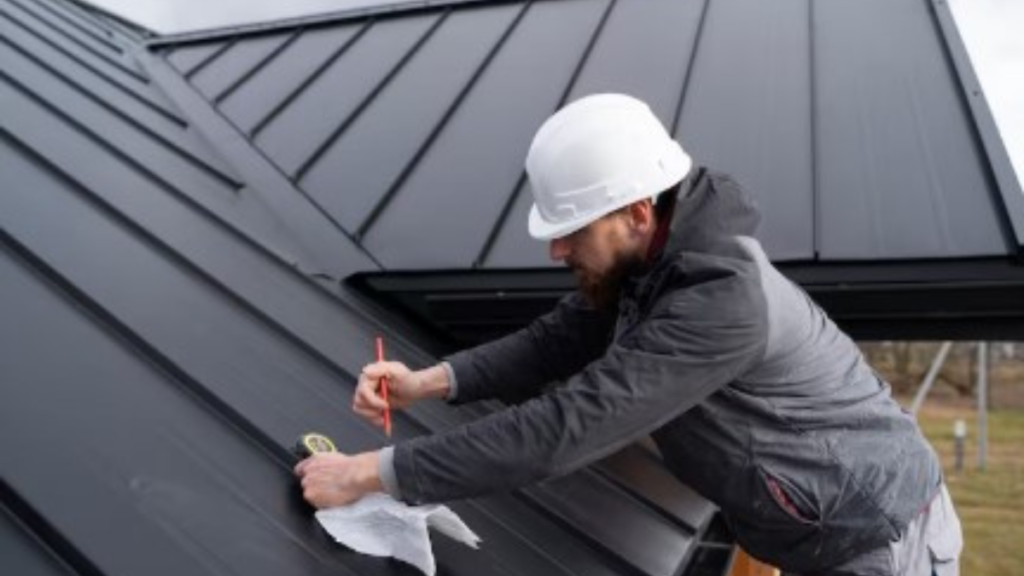
Roofs are constantly exposed to environmental stress, making gradual wear unavoidable over time. Sunlight, wind, rain, and temperature changes gradually degrade roofing materials, long before visible damage appears. Homeowners often notice problems only after leaks or interior damage occur, but roofers are trained to recognize warning signs much earlier. Identifying deterioration at an early stage helps prevent structural issues, costly repairs, and unexpected disruptions. By understanding how roofers assess subtle changes in materials and performance, property owners gain insight into why routine evaluations matter and how small signs can indicate larger underlying concerns.
Understanding Roof Aging Before Failure
1. Surface Material Changes and Visual Indicators
One of the first ways roofers identify early roof wear is by carefully observing surface materials. Shingles, membranes, or panels often show subtle changes before failing outright. Granule loss on shingles, slight discoloration, or surface cracking can indicate prolonged exposure to sunlight and weather. Flat roofing systems may exhibit blistering or minor surface splits, indicating trapped moisture or thermal stress. Roofers examine these details closely, as small visual changes often indicate declining material integrity. During assessments of Kansas City flat roofing services, professionals pay particular attention to surface consistency and drainage performance, as flat roofs frequently show wear through minor irregularities rather than dramatic damage. These visual cues help roofers determine whether the roof is aging normally or deteriorating prematurely.
2. Flashing and Seal Condition Assessment
Flashing and seals are critical transition points where roofs meet walls, vents, chimneys, or skylights. These areas are among the first to show signs of deterioration because they experience frequent movement and water exposure. Roofers inspect flashing for separation, corrosion, or warping that can allow moisture to seep beneath roofing layers. Sealants around penetrations may dry out, crack, or shrink over time. Early deterioration in these areas rarely causes immediate leaks but often leads to gradual moisture intrusion. By identifying these changes early, roofers can recommend targeted maintenance that prevents water from reaching deeper structural components.
3. Drainage Performance and Water Movement
Roofers closely evaluate how water moves across and away from the roof surface. Poor drainage is a major contributor to early deterioration, especially on low-slope and flat roofs. Standing water, slow runoff, or debris buildup can accelerate material breakdown and increase structural stress. Roofers look for subtle signs such as staining, algae growth, or uneven drying patterns that indicate drainage issues. These conditions may not cause immediate leaks but can gradually weaken roofing materials. Identifying drainage inefficiencies early enables corrective measures to restore proper water flow and reduce long-term damage.
4. Structural Irregularities and Subtle Sagging
Early roof wear is not limited to surface materials; it can also affect structural elements. Roofers assess rooflines for slight sagging, uneven planes, or dips that may indicate underlying issues. These irregularities can result from prolonged moisture exposure, material fatigue, or shifting supports. While subtle, these changes often worsen if left unaddressed. Roofers use visual alignment checks and physical inspections to identify areas where the roof may no longer distribute weight evenly. Early detection helps prevent more serious structural complications.
5. Interior Clues That Signal Roof Wear
Roofers often consider interior indicators when evaluating roof condition. Stains on ceilings, faint discoloration on walls, or unusual odors can indicate roof moisture intrusion. Even when leaks are not visible, the signs above may indicate early deterioration. Roofers connect interior observations with exterior findings to form a complete assessment. By correlating subtle interior changes with roof conditions, they can pinpoint problem areas before damage becomes extensive. This holistic approach helps ensure that early warning signs are not overlooked.
6. Material Aging and Environmental Exposure
Different roofing materials age differently, and roofers are trained to recognize these patterns. Asphalt shingles may become brittle, metal roofs may show early oxidation, and membrane roofs may lose flexibility. Environmental factors such as prolonged sun exposure, freeze-thaw cycles, and air pollution influence how materials deteriorate. Roofers assess whether aging patterns are consistent with the roof’s age or accelerated by external conditions. Recognizing abnormal aging helps determine whether maintenance, partial repair, or closer monitoring is necessary.
7. Roof Edge and Perimeter Evaluation
Roof edges and perimeters are more exposed to wind and weather, making them common areas for early wear. Roofers inspect these zones for lifting materials, separation, or surface damage. Even small edge issues can allow wind-driven rain to penetrate roofing layers. Early intervention at the perimeter helps maintain the roof’s protective envelope. Roofers understand that edge conditions often reflect overall roof health and can serve as early indicators of broader issues.
Roofers identify early signs of roof wear and deterioration through careful observation, experience, and attention to detail. By examining surface materials, flashing, drainage, structure, and interior indicators, they uncover subtle changes that signal declining performance. Early detection enables timely maintenance, preserving roof integrity and preventing costly damage. Rather than waiting for visible failure, proactive evaluation supports long-term protection and reliability. Understanding how roofers recognize early warning signs highlights the value of routine inspections and informed decision-making for property owners seeking to protect their investment.