
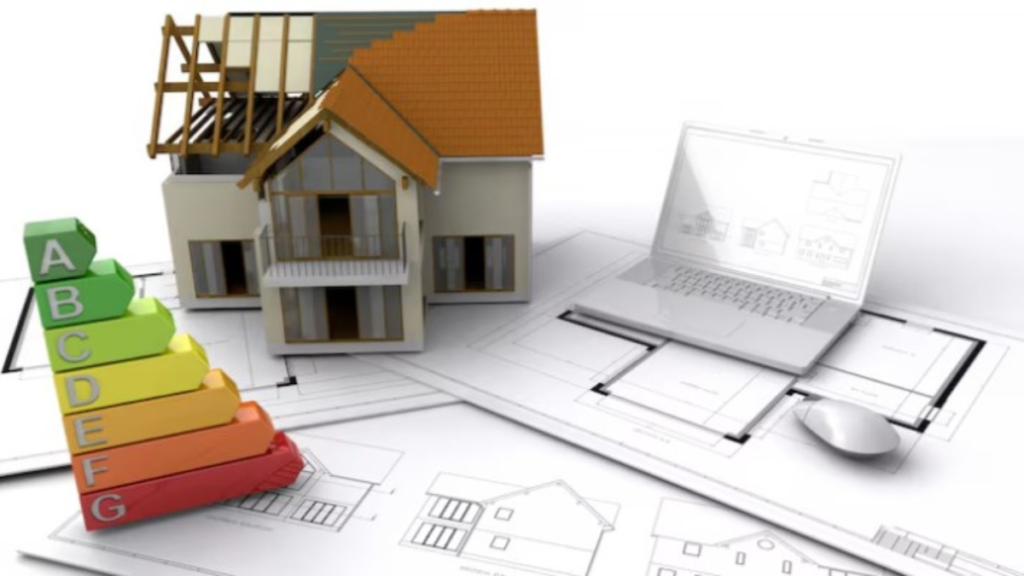
What Is a Home Energy Audit?
With energy costs rising and environmental awareness growing, many homeowners are seeking actionable solutions to reduce household costs and lower their carbon footprint. An important first step is a professional home energy audit. During this process, energy experts thoroughly evaluate a home’s energy use, examining insulation, HVAC systems, windows, and other components to identify hidden inefficiencies. A comprehensive report then outlines opportunities for meaningful improvements, as well as estimated cost savings.
By investing in an energy audit, homeowners gain detailed insight into their home’s specific energy profile. The analysis not only highlights wasted energy but also offers tailored recommendations for projects that align with both budget and environmental goals. If you are interested in learning more about how an audit can benefit you, consider Net Zero professionally conducted home energy audits.
Conducting an energy audit goes beyond mere diagnostics. It is an educational experience that enables homeowners to make informed choices on upgrades, maintenance, and use patterns that affect long-term utility bills and overall household comfort. These audits are more than a means to save money; they are a foundation for sustainable living.
Benefits of Home Energy Audits
- Cost Savings: Thorough analysis reveals problems like leaky windows, under-insulated walls, and outdated appliances, all of which can result in noticeable reductions in utility bills once addressed.
- Enhanced Comfort: Improvements such as better insulation, duct sealing, and upgraded heating and cooling systems translate into fewer drafts, balanced indoor temperatures, and improved indoor air quality.
- Environmental Impact: Enhanced energy efficiency directly reduces greenhouse gas emissions, contributing to a healthier, more sustainable planet and aligning with eco-conscious values.
Steps Involved in a Home Energy Audit
- Initial Assessment: The process begins with a review of monthly energy bills and a conversation with the homeowner about any comfort issues or suspected trouble spots within the house.
- On-Site Inspection: Auditors conduct a meticulous examination of the property, including the exterior, attic, crawl spaces, mechanical systems, and all accessible interiors to locate energy losses.
- Diagnostic Testing: Using tools such as blower doors and infrared thermography cameras, hidden inefficiencies, such as air leaks and insulation deficiencies, are detected quickly and precisely.
- Report and Recommendations: Homeowners receive a clear, prioritized report that details findings and actionable improvement steps. This may include insulation upgrades, sealing services, and smart thermostat installations.
For those considering deeper energy efficiency, many regions have programs that incentivize participation and further upgrades. According to the Environmental Protection Agency, regular energy audits can also improve home resale value and promote environmental responsibility.
Financial Incentives and Support
Implementing energy efficiency upgrades has historically required substantial upfront investment. However, widespread policy changes and sustainability initiatives now enable both governments and utilities to offer substantial rebates, tax credits, and low-cost loans. For example, the U.S. Department of Energy’s State Energy Program helps residents with grants to reduce audit and retrofit costs. These financial incentives allow more homeowners to embrace sustainable changes without financial strain. By leveraging these programs, households often achieve faster return on investment for their efficiency projects.
Choosing the Right Energy Auditor
It is essential to carefully vet professionals when scheduling a home energy audit. Qualified auditors possess certifications from recognized organizations, such as the Building Performance Institute or the Residential Energy Services Network. Homeowners should also review an auditor’s credentials, request references, and evaluate their level of experience in the field. A reputable auditor will demonstrate transparency, provide clear reports, and offer practical, unbiased recommendations for energy-saving improvements. Taking the time to choose wisely can ensure that the process delivers reliable results and maximizes the benefit to your household.
Final Thoughts
Home energy audits provide homeowners with actionable data and step-by-step recommendations to optimize energy efficiency, save money, and improve environmental health. With growing access to financial incentives and local government support, investing in an energy audit is now more affordable and impactful than ever. By working with qualified professionals and following customized recommendations, every homeowner can move toward greater comfort, lower costs, and a more sustainable future.