
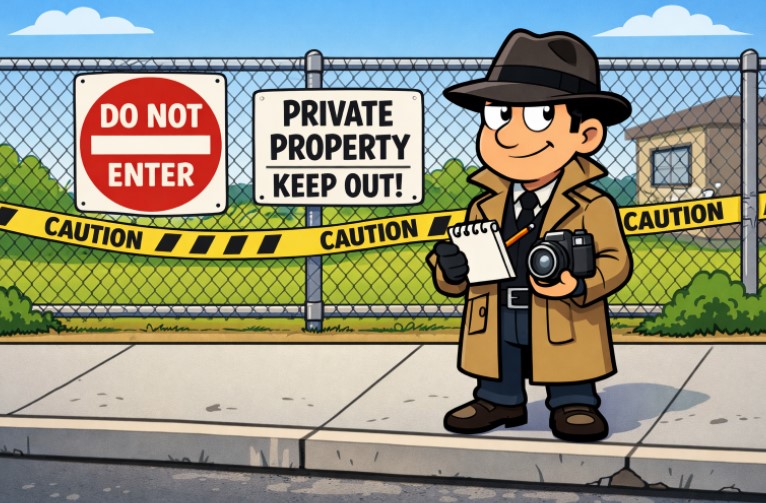
In legal, business, and personal matters, private investigators play a vital role in gathering critical information. However, ensuring that the methods used are both ethical and legal is essential for protecting privacy and preserving the validity of findings in a court of law. Individuals and companies looking for a private investigator must prioritize ethical standards to avoid complications or inadmissible evidence.
Ethical evidence collection is not only crucial for upholding justice, but also for preserving the reputations of those involved and for building trust in professional investigative work. When hiring or collaborating with a private investigator, understanding how evidence should be gathered can make the difference between a successful case and one fraught with legal pitfalls.
Understanding Legal Boundaries
Private Investigator Services must be vigilant about respecting legal limitations. This responsibility includes protecting the privacy of all parties and avoiding illegal activities such as trespassing or unauthorized recording. Laws can vary by state, but violating them can result in harsh penalties and the immediate dismissal of collected evidence from legal proceedings. According to the American Bar Association, privacy laws are continually evolving, making it even more essential for investigators to stay informed.
Moreover, it is critical for Private Investigator services to understand their limits concerning public and private spaces. Entering someone’s property without permission, accessing private or protected accounts, or impersonating law enforcement can all cross the line from ethical investigation into criminal activity. Investigators should regularly consult legal professionals to stay informed about new precedents and ensure their methods align with current legal frameworks. Not only does this protect individuals’ rights, but it also supports the investigator’s and their client’s reputations by ensuring that all evidence withstands rigorous legal scrutiny.
Conducting Surveillance Ethically
Surveillance is one of the most effective tools in a private investigator’s toolkit, but it comes with significant ethical obligations. Investigators should strictly observe individuals in open, public settings, where there is no reasonable expectation of privacy. Any attempt to observe activities inside someone’s home or use intrusive technology may cross ethical lines and violate statutes. Not only does ethical surveillance enhance the credibility of the findings, but it also protects both the investigator and the client from potential legal action.
Additionally, transparency and openness with clients about the methods used during surveillance strengthen the relationship and ensure mutual understanding. Professional investigators avoid invasive surveillance techniques, such as unauthorized GPS tracking or hacking into communications. Instead, they adopt best practices such as discreet observation, note-taking, and documentation that are ethically and legally sound. Frequent protocol review and participation in ethics training can further bolster an investigator’s ability to conduct surveillance with integrity.
Handling Digital Evidence
Digital evidence has become an integral part of modern investigations, encompassing emails, social media activity, photographs, and more. It is critical to collect and preserve this evidence consistently and reliably. Using specialized forensic software, investigators can capture and safeguard metadata, which helps establish authenticity.
Furthermore, the proliferation of cloud storage and cross-device data sharing requires investigators to remain technologically savvy. Proper documentation and the maintenance of digital logs that detail access and handling are essential. Training in cybersecurity can help prevent inadvertent data breaches or loss of digital evidence. Investigators should also respect any data privacy laws governing the jurisdiction in which they operate, ensuring that their data collection practices do not infringe on protected communications or data sources. Ultimately, meticulously handled digital evidence often holds the key to cracking complex cases.
Maintaining Chain of Custody
Ensuring a clear and thorough chain of custody is essential for both physical and digital evidence. This involves documenting every step of the evidence’s journey, from collection through analysis to courtroom presentation. Logs should include details such as who handled the evidence, dates and times, and the reasoning behind each transfer. A precise chain of custody is integral to the courts’ confidence in the authenticity of the material presented, and any gaps can seriously undermine a case.
Chain of custody procedures must be meticulously maintained even between departments within an investigative agency or when external laboratories are involved. Effective chain management includes secure storage, tamper-evident seals, and immediate reporting or rectification if a breach or irregularity is detected. Regularly training staff on chain of custody protocols further strengthens the reliability of the investigative process and can be the deciding factor when the credibility of evidence is challenged in court.
Interviewing Witnesses Responsibly
Interviewing witnesses is an area where ethical considerations are especially pronounced. Investigators must ensure that interviews are conducted voluntarily and without coercion. It is advisable to approach all conversations with transparency, record statements accurately, and refrain from using leading or suggestive questioning. The use of responsible interviewing practice builds integrity into the investigative process and strengthens the admissibility of witness statements should the case proceed to trial.
An important best practice is to document each step of the interview process, including the date, time, and location, and to note whether the interview was recorded electronically or taken down in detailed written notes. Securing informed consent prior to recording is critical, particularly in jurisdictions with strict wiretapping or two-party consent laws. Witnesses should always be treated with respect and given the opportunity to clarify statements. When language barriers exist, the use of certified interpreters prevents miscommunication and ensures the accuracy of the statement.
Adhering to Professional Standards
Professionalism is the backbone of ethical private investigation. Investigators should fully disclose their investigative methods to clients, avoid making promises of guaranteed outcomes, and avoid misrepresenting credentials or evidence. Falsifying or doctoring findings can have dire consequences both legally and professionally. Maintaining these high standards also supports a long-term reputation for reliability and effectiveness within the industry.
Joining recognized associations, such as the National Association of Legal Investigators or similar state-level bodies, promotes adherence to a strict code of ethics and provides opportunities for continuing education. These organizations often provide standards, resources, and industry updates that are vital to ethical compliance. Formally adopting and regularly reviewing a written code of conduct within an agency helps to reinforce a culture of responsibility, transparency, and ongoing self-improvement. This unwavering commitment to professional standards distinguishes top-tier investigative firms from the rest.
Final Thoughts
The ethical collection of evidence is vital for private investigators who seek to deliver results that are both legal and credible. By adhering to established legal boundaries, conducting surveillance ethically, handling digital and physical evidence properly, maintaining an ironclad chain of custody, interviewing witnesses fairly, and upholding professional standards, investigators ensure the integrity of their work. Clients and investigators alike benefit when trust, legality, and respect are the core values guiding evidence collection.
As the legal landscape continues to evolve, so too must private investigators adapt their practices. By embracing ongoing education, technological advancements, and steadfast ethical principles, professionals in this field not only safeguard their clients’ interests but also contribute to a justice system built on truth and fairness. Ultimately, ethical evidence collection is the cornerstone of successful and respected investigative work, providing lasting value to both the investigative profession and the society it serves.