
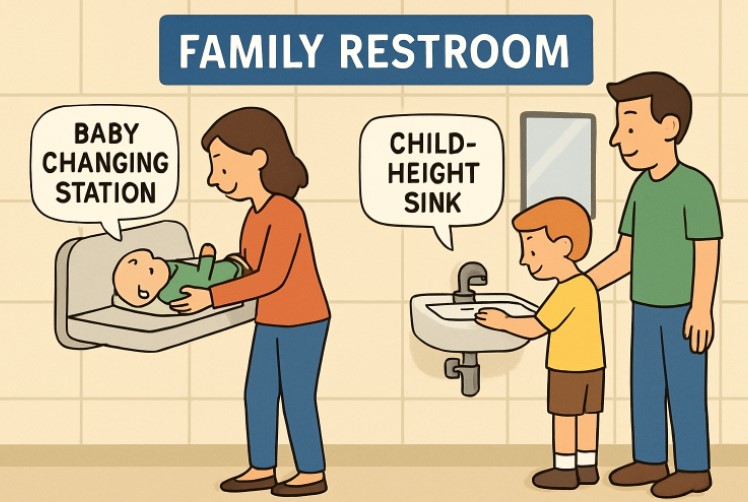
Creating public restrooms to accommodate the needs of families is a vital part of inclusive community planning. Facilities that consider the comfort and convenience of both parents and children are essential for encouraging public engagement and stress-free family outings. For venues looking to upgrade their amenities, integrating solutions like the Babymedi changing station provides both safety and comfort for caregivers, showcasing best practices in family-friendly design.
Thoughtful restroom features support accessibility, reinforce a city’s or business’s reputation, and make public spaces more inviting. From accessible changing stations to touchless tech, these designs are now standard. As expectations grow, facility managers see the value in creating spaces that make families feel cared for. Investing in restroom upgrades promotes social inclusion, encouraging families to use public spaces more often. Well-designed facilities help public venues become community hubs, blending innovation and functionality for modern, inclusive restrooms.
Accessible Changing Stations
All caregivers deserve easy access to safe, clean, and sturdy baby changing facilities. Traditionally, many restrooms provided changing stations only in women’s restrooms, overlooking fathers, grandparents, and other caregivers. An inclusive approach means installing changing solutions in all restroom types. Durable, hygienic options make these areas practical for everyday use and contribute to a more equitable public environment. Innovative products like Babymedi demonstrate how modern solutions can deliver on both safety and durability.
It is important to consider the location, height, and sanitary considerations of changing stations. Convenient placement and proper stocking of supplies make a noticeable difference, while materials that resist bacteria and are easy to clean help ensure user health and safety.
Private Nursing Areas
Many parents and caregivers prioritize privacy and comfort when feeding infants, whether breastfeeding or pumping. Providing designated nursing areas within larger restroom or family room spaces creates a peaceful, judgment-free environment for mothers. Ideal nursing spaces feature comfortable seating, soft lighting, and easy access to electrical outlets. Privacy partitions or enclosed rooms help mothers feel secure while caring for their infants. For information on creating supportive breastfeeding environments, consider recommendations from prominent sources such as the Centers for Disease Control and Prevention.
Child-Friendly Fixtures
Restrooms that support children’s needs help set the stage for lifelong good hygiene habits. Including appropriately sized toilets, sinks mounted at child-friendly heights, and sturdy step stools fosters independence and safety. Fixtures designed for small hands and shorter heights make it easier for parents and children to use facilities without assistance.
Making it possible for children to reach, wash, and flush independently not only speeds up restroom visits but also builds confidence. Child-sized options reduce the risk of accidents and falls, providing parents with peace of mind while encouraging children to use public restrooms confidently.
Touchless Technology
Hygiene concerns are at the forefront of public restroom design, especially in high-traffic family settings. The adoption of touchless faucets, soap dispensers, flush controls, and hand dryers is an effective way to reduce the transmission of germs. These systems are simple to use for all ages and help keep high-use areas cleaner between routine maintenance schedules. Touchless waste bins also contribute to a more sanitary setting by limiting direct contact with surfaces.
Adequate Signage
Clear, easily understood signage is a small design choice with a significant impact. Using large print, high-contrast colors, and universally recognized symbols makes locating facilities easier for young children, non-English speakers, and people with limited reading skills. For multilingual communities, multilingual signs make restrooms more accessible and approachable, ensuring that no family is left searching at a critical moment.
Inclusive Design
An inclusive restroom design welcomes individuals with varying needs and abilities. Features such as wide stalls, grab bars, low sinks, and barrier-free paths accommodate users with disabilities, strollers, and mobility aids. Restrooms planned with accessibility top of mind ensure every member of the community can participate fully in public life.
Universal Restroom Concepts
Modern approaches to restroom planning often include single-user, gender-neutral rooms. These offer a safe and flexible choice for families with older children, caregivers of different genders, and anyone who benefits from additional privacy.
Regular Maintenance
Even the best-designed restroom loses value if it is not properly maintained. Commitment to cleanliness, frequent restocking of supplies, and swift repairs are essential for a positive user experience. Routine inspections demonstrate that facility operators value the families who rely on their spaces.
Establishing a regular maintenance schedule, using checklist systems, and enabling user input can help keep facilities running smoothly. Proactive care ensures that small issues do not become major problems, supporting community trust and satisfaction.
Community Involvement
Effective restroom design should prioritize the unique needs and preferences of users, particularly parents and caregivers. Gathering input through surveys and forums is essential for understanding these needs and ensuring that new construction and remodels align with modern family expectations. Community feedback is a valuable tool for enhancing designs, leading to practical improvements that can increase user satisfaction and strengthen relationships between the public and facility operators. By incorporating essential features into public restroom design, cities and businesses can create inclusive, safe, and welcoming environments that support families and foster comfort for all users.
Conclusion
In conclusion, thoughtful restroom design goes beyond basic functionality to create spaces that are safe, inclusive, and welcoming for all families. Accessible changing stations, private nursing areas, child-friendly fixtures, and touchless technologies address practical needs while promoting hygiene and independence. Clear signage, inclusive layouts, and universal restroom concepts ensure that caregivers of all genders and abilities can navigate facilities comfortably. Coupled with regular maintenance and community input, these considerations transform public restrooms into supportive environments that prioritize both safety and dignity. By embracing these principles, facility operators can foster trust, satisfaction, and a sense of belonging for every family using their spaces.