
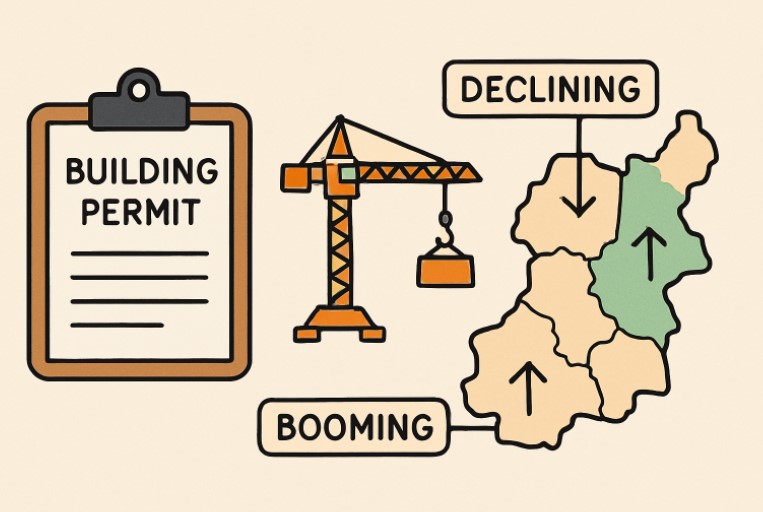
In the dynamic world of construction, tracking building permit activity is essential for understanding broader industry trends. Building permits are closely linked to overall economic health, regulatory shifts, and the confidence of builders and developers. As an initial and indispensable step for most construction projects, permits are a significant indicator of both opportunity and risk in today’s marketplace. For companies and clients navigating these requirements, leveraging experienced consultants like Burnham Nationwide can significantly streamline compliance and approvals, offering valuable support through meticulous planning and expert understanding of local and national codes.
Nationally, shifts in building permit issuance reflect evolving construction priorities and broader trends in lending, labor, and regulatory focus. These changes, driven by everything from fluctuating interest rates to regional policy updates, are shaping how developers approach new projects. Even as permit numbers fluctuate, the demand for streamlined processes and efficient project approvals continues to accelerate. Understanding how to respond to these trends is indispensable for developers, architects, and construction professionals looking to maintain a competitive edge.
While larger economic and political forces are at play, contractors and construction managers must also anticipate local factors influencing permit trends. The unique dynamics of each region, city, or even neighborhood can significantly affect the feasibility and timing of construction work. This article explores key national trends, highlights regional disparities, and examines how industry professionals adapt their strategies to the ever-changing permitting landscape.
By staying informed about both high-level shifts and ground-level regulatory changes, stakeholders can better forecast project timelines and costs, reducing uncertainty in their planning cycles. For a more detailed analysis of how industry-wide factors intersect with regional trends, consult sources such as The New York Times for current coverage of construction economics.
National Trends in Building Permits
Across the United States, building permit volumes serve as a real-time barometer of the construction sector’s health. In 2025, indicators show a notable deceleration in new permit issuance, primarily driven by persistent inflation, rising mortgage rates, and uncertainty about federal economic policy. For instance, California’s first half of 2025 saw only 49,400 new housing permits granted, the lowest level in over a decade and representative of a larger national trend. Single-family permits decreased by 7 percent year over year, while multifamily permits did not recover to pre-pandemic levels, despite accounting for a significant share of activity. Fluctuations in national permitting amidst economic volatility signal that developers are adopting a more cautious approach, prioritizing risk management and project feasibility studies before moving forward.
Regional Variations and Their Implications
Permit activity is highly localized, shaped by diverse economic conditions, municipal policies, and demand pressures. While states like California experience a decline, other regions, such as Des Moines, Iowa, are experiencing record-breaking growth. In the fiscal year ending June 2025, an Axios article reported that Des Moines issued more than $1 billion in building permits, the highest in city history. This local boom can be attributed to growing developer confidence and favorable local policies, illustrating how regional dynamics may outpace or buck national trends. Understanding these discrepancies is crucial for both investors and project managers as hyperlocal economic strength or weakness can dictate project priorities, pricing, and timelines.
Regulatory Changes Affecting Permit Issuance
Governments at every level influence permit activity through zoning laws, environmental restrictions, and building code updates. In recent years, several states have introduced zoning reforms to address housing shortages and affordability crises. For example, updated zoning laws in California have permitted rapid densification, allowing the construction of an additional 100,000 housing units. These policy shifts are delivering tangible results: rents in affected areas have been reduced by 2-4 percent, and overall construction costs can drop by as much as 30 percent with faster permit approval processes. Regulatory changes like these illustrate the direct link between permitting policy and both project viability and community impact.
Economic Factors Influencing Permit Trends
Macroeconomic variables, from interest rates to material costs, continue to shape permitting trends and construction project launches. Escalating mortgage rates throughout 2024 and 2025 have discouraged investment in both residential and commercial projects in key U.S. markets. While market fundamentals still suggest a substantial housing shortage, California alone needs 100,000 new units per year, but issued just 60,000 permits in 2024. High borrowing costs and persistent inflation are tempering new activity. Construction leaders must closely monitor interest rates, supply chains for building materials, and broader economic indicators to time their applications and project starts most effectively (CNBC, 2024).
Technological Advancements in Permitting Processes
The permitting landscape is rapidly changing due to digital innovation. Municipalities are increasingly adopting electronic plan review systems, cloud-based application portals, and automated correction logs. These advances help contractors track the status of their permits, submit revised documentation quickly, and reduce administrative overhead. While the pace of digital adoption varies between states and cities, the advantages are clear: faster feedback loops, less paperwork, and better transparency for all parties. In 2025, firms harnessing advanced permitting technology can potentially shorten approval timelines, reduce costs, and improve compliance compared to competitors who still rely on paper-based systems.
Strategies for Navigating Permit-Related Challenges
- Early Engagement: Jumpstart permitting efforts at the project’s planning phase to mitigate the impact of unexpected regulatory or technical delays.
- Stay Informed: Regularly review local zoning changes, state code updates, and labor market shifts. Early awareness can prompt timely revisions in project design or budgeting.
- Leverage Technology: Use leading digital permitting systems and documentation tools to maintain clear records, expedite communication, and reduce chances of costly errors or omissions.
- Collaborate with Authorities: Proactively build relationships with planning departments and permitting officials to foster smoother reviews, fewer rejections, and improved response times.
Conclusion
The construction industry’s trajectory hinges on timely, efficient permitting. By understanding national and regional trends, embracing regulatory shifts, and leveraging technology, development teams can navigate uncertainties and build with greater confidence and efficiency. Staying alert to market signals and adapting strategies ensures continued growth, even in challenging economic conditions.