
Modern healthcare environments must be more than just sterile and efficient. They should foster healing, ensure patient and staff safety, and adapt to a future where needs evolve quickly. Emphasizing both safety and functionality through thoughtful design helps facilities deliver optimal patient care and streamline staff workflows. Interior features such as flexible layouts, intuitive navigation, and built-in safety protocols can transform the healthcare experience at every touchpoint. For providers seeking innovative privacy solutions, PRVC Systems offers a wide range of customizable products that seamlessly blend with modern healthcare interiors.
Effective hospital design acknowledges that today’s patients and staff expect more: spaces conducive to healing, integrated security for peace of mind, and easy access for all visitors. With rising population health demands and rapid technological change, healthcare spaces must flexibly adapt to fluctuating patient needs while remaining calm, caring, and inviting. The benefits of thoughtful healthcare design reach far beyond aesthetics, directly supporting infection control and patient wellness.
Flexible Spaces for Multidimensional Use
Adaptable healthcare spaces are instrumental in meeting the ever-changing landscape of medicine. Today, a patient room might serve one purpose during the day and entirely another at night. For instance, hospitals are increasingly utilizing universal rooms that support both general care and intensive treatments, enabling a smoother response to emergencies or surges in patient volume. Surgical suites able to shift from standard operating procedure to intensive care recovery help address staffing and resource allocation challenges. These versatile solutions allow administrators to manage space efficiently and provide continuity of care regardless of the situation.
Intuitive Navigation for Stress-Free Experience
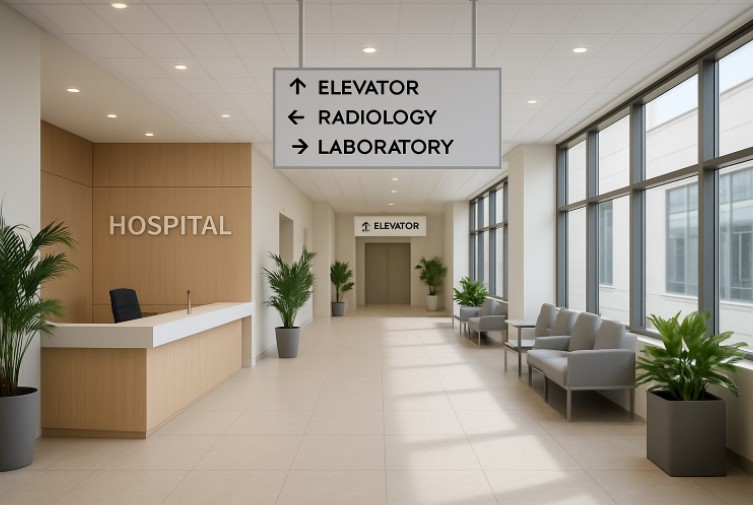
Hospitals strive to reduce patient stress and confusion by implementing clear, consistent wayfinding systems. Well-designed signage, intuitive room layouts, and distinct color-coding help guide patients seamlessly from the parking lot to their destination, easing the anxiety that often accompanies medical visits. Strategic placement of entrances and security checkpoints further streamlines traffic, ensuring only authorized access while maintaining accessibility for patients and families. Logical navigation supports not only visitors but also staff, leading to greater satisfaction for everyone who interacts with the space.
Integrated Security Measures That Do Not Compromise Comfort
As incidents of hospital violence rise, security has become a non-negotiable priority. Yet, it is essential that protective features not disrupt the therapeutic environment. Many hospitals are incorporating discreet metal detectors, visitor check-in kiosks, and comprehensive surveillance systems that maintain a welcoming atmosphere. Open sightlines across corridors and waiting areas minimize potential blind spots, improving not just safety but also transparency and trust. Staff support areas are being designed to enable rapid communication and response, ensuring emergencies can be addressed quickly without disturbing patient serenity. A balance between visible and integrated security reassures patients and families while protecting care teams.
Incorporating Biophilic Design Elements
Bringing nature into the healthcare setting has measurable benefits for both patient wellness and staff morale. Biophilic design uses natural lighting, views of greenery, indoor gardens, and healing patios to create environments that feel restorative rather than clinical. Hospitals like the West Park Healthcare Centre and Sarasota Memorial Hospital’s Cornell Behavioral Health Pavilion have demonstrated that light-filled corridors, accessible walking paths, and living walls can reduce anxiety and even shorten recovery times. These design principles encourage movement, rest, and emotional well-being, reinforcing the notion that environment is a key factor in outcomes.
Advanced Infection Control Strategies
Mitigating infection risk is a cornerstone of healthcare safety. Today’s facilities employ cutting-edge materials and automated systems to maintain cleanliness and protect patients and workers. Antimicrobial surfaces, such as copper-infused handles and Microban-treated countertops, help minimize the spread of germs in high-touch areas. Advanced HVAC systems equipped with ultraviolet-C filtration improve air quality by eliminating airborne pathogens, while touchless technology for doors, sinks, and dispensers limits cross-contamination. Isolation rooms use negative-pressure air handling to contain and safely remove infectious particles. These strategies, often developed in collaboration with clinical teams, are crucial in the fight against healthcare-acquired infections.
Final Thoughts
Forward-thinking healthcare design integrates safety, efficiency, and well-being across every aspect of the built environment. Facilities that embrace flexible layouts, logical pathways, stringently embedded security features, biophilic elements, and advanced infection prevention create spaces where patients can heal, and staff can thrive. Implementing these best practices not only ensures compliance and preparedness but also elevates the entire healthcare experience for communities, today and in the future.