
As data breaches hit record highs across the globe, companies are realizing that protecting sensitive information must extend beyond digital security. Physical document disposal poses real risks if not managed correctly. Understanding the latest trends in secure information destruction is crucial for safeguarding organizational data. Local businesses also play a vital role in maintaining high standards for compliance and accountability, especially as threats continue to evolve. For those seeking rigorous, convenient solutions, document shredding Quincy providers exemplify how trusted specialists can remove risk from the document lifecycle.
Modern security standards require that every step of the document disposal process is both documented and verifiable. It’s not just about shredding paper but also about building workflows that prevent human error, ensure regulatory compliance, and support environmentally sound practices. With increasing regulatory requirements and public awareness, getting ahead of these trends is essential for any organization handling sensitive information.
Increased Demand for Certified, Auditable Destruction
Businesses are no longer satisfied with evidence-free claims of document destruction. Especially in regulated sectors such as healthcare and finance, demand has soared for certified, auditable document disposal. Most organizations now insist upon:
- Certificates of Destruction, used as legal proof of compliance
- Secure, step-by-step chain-of-custody tracking
- Destruction timelines that align with regulatory requirements
Choosing compliant shredding partners means organizations can easily support audits, meet changing regulations, and avoid penalties. For details on handling and reporting requirements, companies often consult organizations like the Federal Trade Commission.
Growth of Scheduled Shredding Over One-Time Purges
Instead of sporadic purges, businesses are transitioning to scheduled shredding as a standard operating procedure. Implementing ongoing service agreements, such as routine console pickups, helps maintain compliance in a predictable, reliable way. This consistent approach removes the opportunity for error and eliminates the risks posed by forgotten or neglected piles of confidential paperwork.
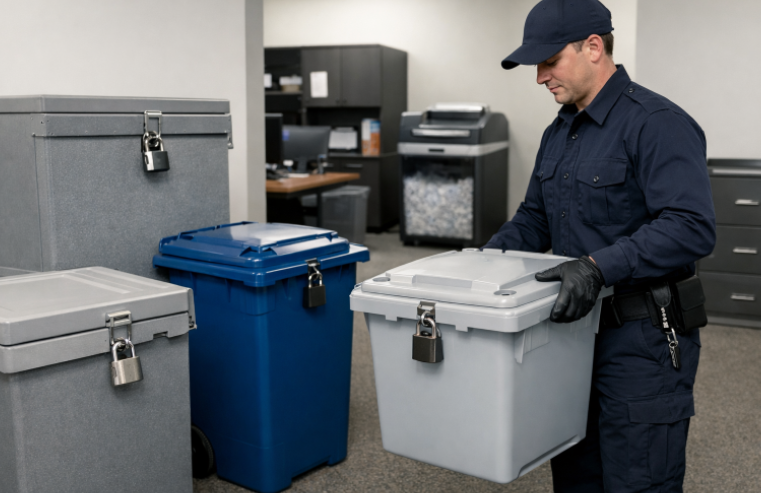
- Locked collection bins in high-traffic office spaces
- Automated reminders and pick-up scheduling
With set routines in place, sensitive data is never left unattended, helping prevent costly mistakes before they occur.
Stronger Focus on Chain of Custody and Physical Security
Document security does not begin at the shredder. Most data leaks happen during handling, not at the point of destruction. The newest best practices highlight:
- Locked containers and secure storage areas
- Restricted staff access until destruction
- Secure transport using GPS tracking and bonded drivers
- Background screening for all personnel handling documents
This comprehensive approach guards against both accidental and intentional data loss every step of the way, creating a transparent and accountable security chain.
Sustainability as a Core Expectation
Environmental responsibility is not optional in today’s business environment. Expectations for document destruction providers now include:
- Full recycling of shredded materials
- Transparent communication regarding recycling outcomes
- Support with ESG (Environmental, Social, and Governance) reporting
As part of their ESG commitments, many corporations select shredding partners based on their recycling and energy practices, making sustainability and security twin pillars of modern compliance strategies.
Expanded Awareness of Data Beyond Paper
Confidential information is not always stored in paper format. Businesses are increasingly attentive to data risks present in hard drives, backup tapes, USB drives, and other electronic media. Secure destruction of all media, rather than just paper, is vital to a comprehensive information security posture.
With the proliferation of data breaches originating from discarded digital devices, organizations are expanding their disposal protocols to include secure e-media destruction.
Risk Reduction as a Board-Level Priority
Improper disposal of sensitive documents has significant repercussions for businesses: financial losses, regulatory sanctions, and brand damage. These risks have drawn the attention of boards and senior leadership, elevating document destruction from a back-office task to a strategic imperative. Key priorities now include:
- Alignment between document destruction and enterprise risk plans
- Vetting providers for regulatory expertise
- Reinforcing policies through internal audits and staff education
This board-level oversight reflects the growing complexity of maintaining compliance and reputation in a data-driven world.
Preference for Local, Trusted Providers
As outsourcing and anonymous third-party handling create liability concerns, companies are turning back to established local shredding partners. Local providers deliver the benefits of rapid response, direct accountability, and up-to-date knowledge of regional compliance laws. Organizations seeking reliable, secure service are choosing partners who invest in their community and prioritize security above all else.
Staying aware of these trends and working with rigorous, local experts enables businesses to better protect customer data, reduce compliance risk, and foster consumer trust in an ever-evolving regulatory environment.