
Physical Fitness and Health
Competitive basketball delivers an intensive full-body workout that helps young athletes develop cardiovascular endurance, muscular strength, and agility. The sport’s fast pace, with constant movement, jumping, and quick direction changes, creates an environment that supports overall physical growth and keeps players engaged. Regular training not only helps to maintain a healthy weight but also encourages the formation of lifelong positive habits related to fitness and wellness. For those interested in staying involved with organized youth leagues and tournaments, CYBN provides a valuable platform for competitive play and skill progress.
Research consistently highlights that participation in regular sports, including basketball, can lower the risk of chronic health issues and promote active lifestyles among children and teenagers. With structured gameplay and effective coaching, young athletes experience daily routines that contribute to long-term physical well-being.
Skill Development and Teamwork
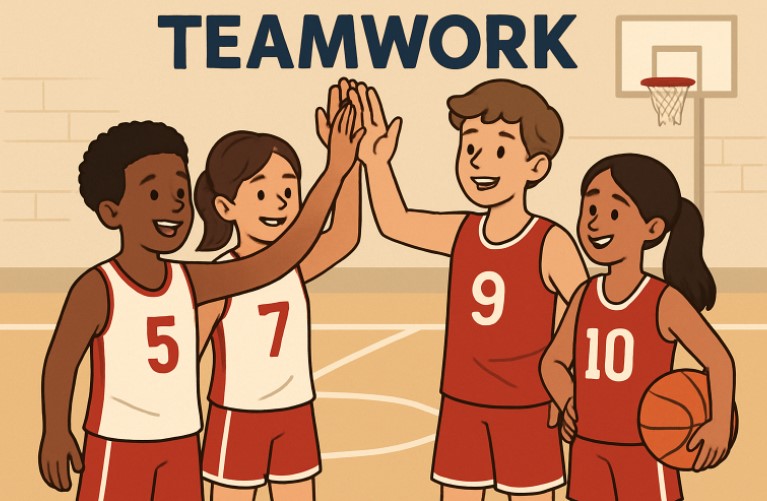
Participating in basketball allows athletes to master fundamental skills such as dribbling, shooting, passing, and defense. Beyond technical ability, young players also develop a keen sense of teamwork. Each game and practice session promotes collaboration, teaching athletes how to communicate effectively, anticipate team movements, and understand the value of working towards shared goals. Building these abilities not only enhances on-court performance but also translates into stronger social aptitudes and problem-solving skills in academic and other group settings.
Team sports like basketball play a significant role in helping youth understand the importance of trust and accountability. The bonds formed through shared victories and challenges teach lessons in camaraderie and mutual respect that carry far beyond the court. These experiences help to foster responsibility and empathy among young athletes.
Mental Resilience and Discipline
One of the standout benefits of competitive basketball is its capacity to foster mental toughness and emotional resilience. Players are regularly exposed to challenging situations, such as close games, losses, or performing under pressure. Learning to navigate setbacks, cope with competitive stress, and recover from mistakes builds a mindset that values perseverance. Adhering to rigorous practice schedules instills discipline and time management, nurturing an internal drive that is essential for academic success and future careers. Young athletes also learn how to set goals, work consistently towards them, and adapt when faced with adversity.
Leadership and Communication Skills
Competitive basketball offers numerous opportunities for athletes to develop leadership qualities. Whether stepping up as a team captain or setting an example for peers, players learn how to inspire and encourage others. Effective communication on the court, whether calling plays, coordinating strategy, or supporting teammates, becomes second nature. These communication skills translate well to other spheres of life, preparing young athletes for leadership roles within their schools, future workplaces, and communities.
Social Interaction and Community Building
Joining a basketball team introduces athletes to peers from different backgrounds and skill levels, fostering an inclusive and supportive environment. The challenges and triumphs shared throughout the season help to form strong friendships, many of which extend beyond the game itself. Participation in tournaments and travel events further expands athletes’ social networks, enhancing their sense of belonging within the athletic and local community. Organized sports also encourage respect for coaches, referees, and opponents, shaping positive social values and civic engagement.
Exposure to Competitive Environments
Competitive basketball introduces young athletes to scenarios that mirror real-world pressures and challenges. Playing in high-stakes games encourages a healthy approach to competition, teaching athletes how to maintain focus, manage nerves, and perform to the best of their ability in demanding circumstances. The insights gained through competition can lead to greater confidence when facing academic exams, job interviews, or other performance-based situations. Adapting to different levels of competition enriches a player’s experience, preparing them for higher levels of play or diverse future career challenges.
Opportunities for Advancement
Success in competitive basketball can open doors to a range of advancement opportunities. Young athletes who dedicate themselves to the sport may qualify for scholarships, earn places in elite clubs, or receive invitations to play at higher levels, such as college or professional leagues. Initiatives like Spain’s Liga U offer vibrant platforms for emerging talent, underscoring the value of structured competitive leagues in athlete development. These opportunities allow players to combine their passion for basketball with educational or career pursuits, illustrating the potential rewards of commitment and skillful play.
Balanced Development Through Multi-Sport Participation
While early specialization in basketball can yield high skill levels, research suggests that engaging in multiple sports from a young age can provide even greater benefits. Multi-sport participation enhances overall motor skills, offers exposure to different coaching styles, and reduces the risk of repetitive strain injuries. Additionally, playing various sports keeps the athletic experience fun and fulfilling, lowering the risk of burnout. Coaches and parents are increasingly encouraged to support young athletes in exploring different sports for a well-rounded athletic and personal journey.
In summary, competitive basketball is a powerful tool for youth growth, supporting not only athletic development but also essential life skills. From improved physical health to enhanced leadership and social understanding, the rewards extend far beyond the scoreboard, offering young athletes a strong foundation for lifelong success.