
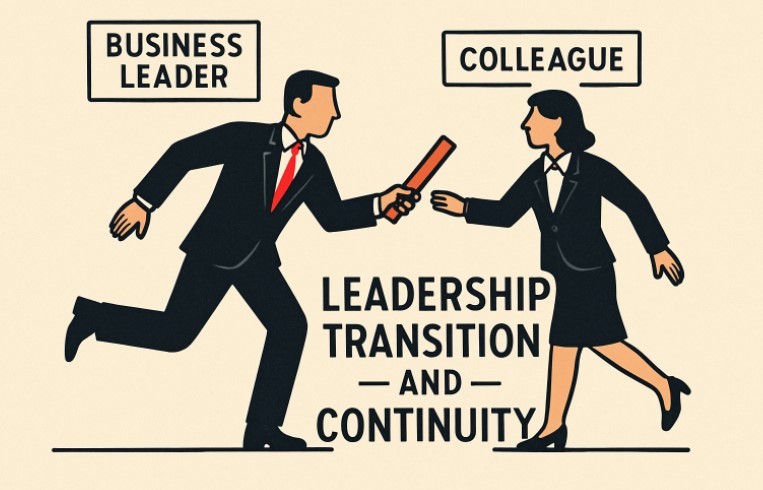
Ensuring the long-term stability and growth of a business requires more than day-to-day management; it demands careful planning for the future. One of the most critical aspects of this planning is preparing for leadership transitions, which helps maintain continuity and preserves the company’s vision. By proactively identifying and developing potential leaders, businesses can reduce disruptions, maintain employee confidence, and safeguard their competitive edge. Thoughtful succession planning also enables organizations to adapt to evolving markets while preserving core values.
For business owners, integrating legacy and succession planning for business owners into their strategic approach is essential. This not only ensures that the company’s operations continue smoothly but also protects the founder’s vision and hard-earned accomplishments. By considering both the practical and emotional aspects of leadership change, organizations can build a foundation that supports sustainable growth and fosters a culture where future leaders are prepared to take the reins with confidence.
Understanding Succession Planning
Succession planning is the intentional preparation for the transfer of leadership and critical responsibilities. This ongoing practice is not just about naming an heir or a replacement; it is an enterprise-wide effort to nurture internal talent, identify key roles, and mitigate disruptions caused by leadership transitions. By doing so, organizations maintain momentum and keep their long-term objectives in focus regardless of changing personnel.
At its core, effective succession planning aligns with the overall business strategy. Leaders must pinpoint mission-critical positions, develop a pipeline of potential successors, and formalize plans that can adapt to changing realities. The process clarifies organizational structure and career pathways while reassuring employees that the company is committed to long-term stability.
Why Succession Planning Is Essential
Many businesses underestimate the risks of unplanned leadership changes. Without a strong succession plan, transitions can trigger disruption, uncertainty, and declining performance. Companies risk losing vital institutional knowledge that has accumulated over the years, jeopardizing their competitive edge and customer relationships.
A study referenced by Inc. Magazine found that nearly a third of company owners did not prioritize succession planning, even though it is key to continuity and long-term growth. When organizations invest in developing leaders early, they not only reduce risks but also strengthen internal trust, retain top talent, and maximize shareholder value. This forward-thinking approach demonstrates a commitment to lasting success and reassures employees, clients, and investors alike.
Key Components of Effective Succession Planning
- Identification of Key Positions: Determine which roles are crucial for business continuity and growth. These may extend beyond executives to include operational leaders and technical experts.
- Talent Assessment: Evaluate current team members to identify those with the skills, potential, and cultural alignment required for future leadership roles. This assessment should be ongoing and integrated with broader talent management strategies.
- Development Programs: Establish mentorship, coaching, and targeted training programs tailored to empower high-potential employees. Ongoing development builds confidence, skills, and readiness for increased responsibilities.
- Regular Review: Periodically review and update succession plans to ensure they reflect changes in organizational goals, personnel, and market realities. This step keeps the strategy relevant and actionable.
Common Challenges in Succession Planning
While the benefits are clear, organizations often face substantial obstacles:
- Lack of Formal Plans: Many businesses operate without a written or regularly updated succession plan. Only 46 percent of private business owners have such a strategy in place, exposing them to unplanned risks.
- Next-Generation Readiness: Business continuity relies on having suitably prepared successors. Often, leadership candidates lack adequate experience, training, or stakeholder buy-in, leading to uncertainty and internal friction.
- Emotional and Family Dynamics: In family-owned businesses, succession can be particularly contentious as relationships and emotions influence critical decisions. Balancing family expectations and professional needs is a common and complex challenge.
Best Practices for Successful Succession Planning
- Start Early: Plan well before transitions are necessary. Early planning provides ample opportunity for development, feedback, and continuous improvement.
- Engage Stakeholders: Involve board members, senior leaders, and in some cases, external advisors. Including multiple perspectives ensures the plan is practical, well-supported, and aligned with the organization’s culture.
- Focus on Development: Invest in robust learning and leadership development programs. These initiatives must be ongoing and customized to suit both present and future business needs.
- Maintain Flexibility: Keep the plan adaptable. As organizations evolve or market conditions change, succession strategies must be updated to remain effective and relevant.
Conclusion
Succession planning is far more than a backup strategy. It is a foundational component of long-term business health and a hallmark of responsible leadership. Organizations that prioritize preparing future leaders, nurture internal talent, and maintain dynamic plans enjoy resilience, continuity, and sustained achievement. A robust succession planning process honors your organization’s legacy, aligns with stakeholder interests, and assures prosperity for generations to come.