
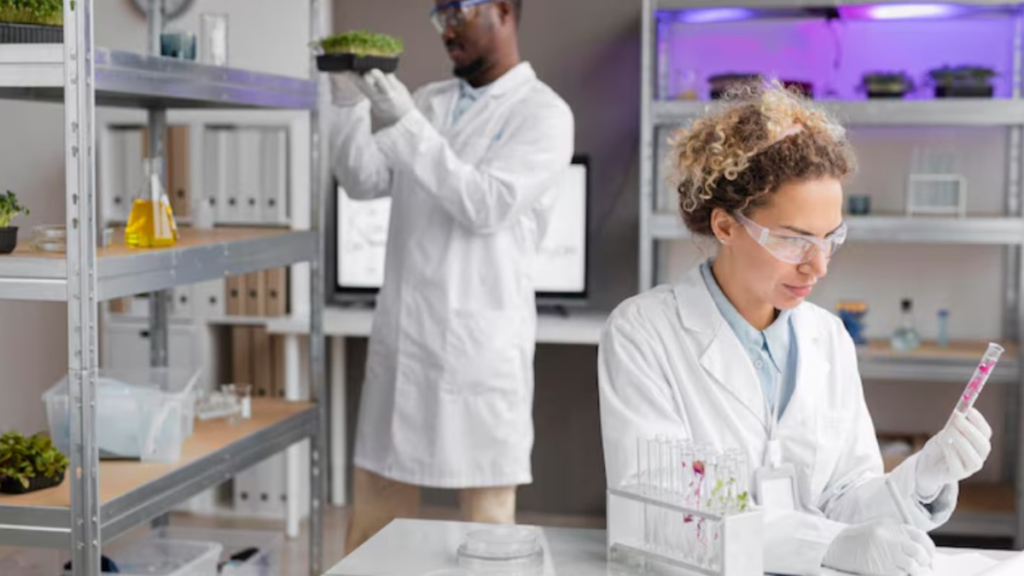
In the pharmaceutical and food sectors, maintaining stringent standards during product testing is crucial for ensuring both consumer safety and regulatory compliance. Reliable testing environments are essential for delivering accurate, repeatable results across rigorous protocols such as stability testing and microbial assessment. Facilities use controlled environments, such as stability chambers, to provide the precise conditions required for sensitive formulations and consumables.
These carefully designed spaces reduce the risk of product recalls and improve the credibility of test data. Errors, lapses in monitoring, or subpar environmental control can lead to significant consequences, including regulatory penalties, market withdrawals, and threats to public health. Reliable testing settings are the backbone of modern quality assurance workflows and support the continuous improvement models required in both industries.
Controlled environments help pharmaceutical manufacturers and food processors consistently meet high government standards for compliance and consumer protection. Proper use of environmental chambers, robust monitoring technologies, and clear operating procedures safeguards the integrity of test results while also optimizing operational efficiency.
Industry professionals and scientists seeking to optimize their quality processes will find significant benefit in understanding the essential features and best practices of dependable testing environments. Implementing these strategies lays the groundwork for safer products and a stronger reputation within regulated markets.
Importance of Reliable Testing Environments
Accuracy and repeatability in product testing are directly tied to the integrity of the testing environment. Whether evaluating medication shelf life or validating a food preservative, the smallest deviation in temperature or humidity can yield dramatically different results. Unreliable environments threaten the validity of test outcomes and can delay product launches or necessitate costly recalls. These challenges have prompted regulatory agencies worldwide to outline strict environmental requirements for labs and production facilities.
Essential Features of Dependable Testing Environments
Precise Environmental Controls
The optimal testing environment is one in which temperature, humidity, and light remain within tight tolerances. State-of-the-art stability chambers are engineered to maintain these parameters consistently, ensuring that sensitive samples experience minimal fluctuation. Data shows that uniformity in environmental conditions reduces test result variability and speeds up the go-to-market process.
Advanced Monitoring Systems
Modern laboratories deploy robust continuous monitoring systems that gather data around the clock. Automated logging and remote alerts help staff respond quickly if an environmental drift is detected. Wireless sensors remove the limitations of hardwired systems and expand the reach of environmental surveillance across large or compartmentalized facilities. This practice substantially lowers the risk of unnoticed equipment failure, increasing laboratory productivity and reliability.
Adherence to Good Laboratory Practice (GLP) Standards
GLP is the gold standard for nonclinical laboratory studies. It encompasses validated procedures for every stage of the testing process, from sample tracking to data recording and reporting. Strict adherence yields highly reproducible results and fosters transparency in regulatory submissions.
Best Practices for Maintaining Testing Environment Integrity
Regular Calibration and Maintenance
Measurement accuracy is directly linked to routine calibration and preventive maintenance protocols. Instruments and chambers require regular checks and documented recalibration to prevent measurement drift. Preventive service schedules also help facilities detect and resolve equipment issues before they result in compliance failures or data loss.
Comprehensive Staff Training
Personnel must be well-versed in both protocol and the importance of environmental maintenance. Regularly updated training programs reinforce the need to document equipment operation, promptly report deviations, and execute corrective actions. Well-trained staff serve as the first line of defense against costly mistakes and quality lapses.
Integration of Innovative Technologies
Emerging technology plays a significant role in modernizing testing environments. Internet of Things (IoT) integration, for instance, offers real-time remote monitoring and centralized control of stability chambers and other critical equipment. This not only improves efficiency but also future-proofs processes as digital transformation accelerates in life sciences and food manufacturing.
Innovations Enhancing Testing Environments
Industry innovations are making controlled testing environments smarter and more sustainable. Automated data collection, predictive maintenance algorithms, and eco-friendly design reduce resource consumption while ensuring compliance. Digital transformation, including cloud-based monitoring, allows for faster response times and seamless data integration across global sites. This integration not only enhances operational efficiency but also improves decision-making accuracy. Companies that adopt these innovations can stay ahead of industry standards. For organizations seeking to lead the industry, embracing innovation is not optional.
Regulatory Compliance and Good Laboratory Practice
Strict compliance with regulatory protocols, such as GLP, forms the cornerstone of laboratory credibility. These standards are not only best practices but also legal requirements for product approval and market access. Agencies such as the U.S. Food and Drug Administration, the European Medicines Agency, and others carefully audit environmental data, calibration logs, and training records to verify that products are tested under properly controlled conditions.
Conclusion
The pharmaceutical and food industries depend on reliable, well-controlled testing environments to protect consumer safety and maintain compliance with global regulations. By prioritizing precise environmental control, robust monitoring, thorough staff training, and the strategic use of new technologies, organizations can improve quality assurance processes and safeguard the success of their products. Investing in these best practices is essential to meeting today’s demands for safety and integrity in both market sectors.