
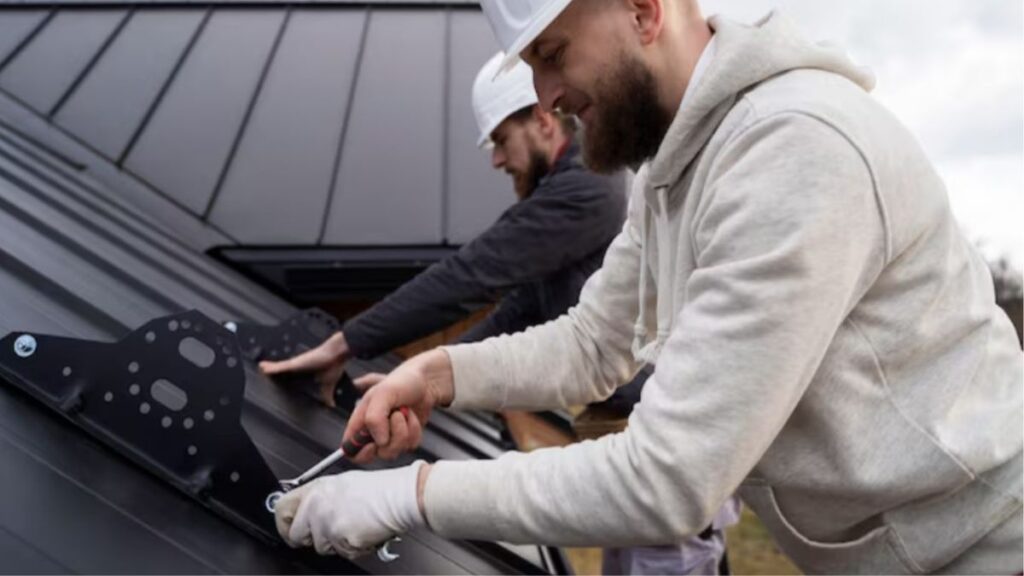
Roof problems often create immediate concern for property owners, especially when leaks or visible damage appear. The instinct is often to assume the worst and prepare for a full replacement. In reality, many roofing issues can be resolved through well planned repair strategies that stabilize the structure and prevent further deterioration.
Strategic roof repair focuses on addressing the true source of damage rather than reacting to surface symptoms. When repairs are performed with an understanding of how roofing systems age and function, they can restore reliability without unnecessary disruption or expense. This approach is frequently discussed by professionals such as Upright Roofing and Construction, who emphasize evaluation before escalation.
Understanding when repair is sufficient and how it protects long-term performance allows owners to make smarter decisions. Rather than defaulting to replacement, strategic repair can extend roof life while maintaining safety, efficiency, and structural integrity.
Understanding What Strategic Roof Repair Means
Strategic roof repair is not about quick patching or cosmetic fixes. It is a targeted approach that addresses specific weaknesses while preserving the strength of the overall roofing system.
This type of repair begins with understanding how water, air, and movement interact with the roof. By identifying how damage developed, repairs can interrupt that process and prevent recurrence.
Unlike temporary fixes, strategic repair is designed to stabilize the system and slow future deterioration.
Differentiating Damage From System Failure
Not all roof damage signals system failure. Localized issues such as flashing separation, punctures, or limited material loss can occur even when the majority of the roof remains sound.
System failure, by contrast, involves widespread material fatigue, structural compromise, or consistent moisture intrusion across large areas. Strategic repair is effective only when the system itself is still viable.
Knowing the difference prevents unnecessary replacement and supports smarter intervention.
How Early Intervention Preserves Structural Integrity
Roof structures rely on consistent load distribution and dry conditions to remain stable. When moisture enters and remains, structural components begin to weaken.
Strategic repair stops moisture pathways before they affect decking, framing, or insulation. By eliminating the source early, structural integrity is preserved.
This early intervention often prevents damage that would otherwise require major reconstruction.
The Importance of Targeted Diagnostics
Successful repair depends on accurate diagnosis. Guesswork leads to incomplete solutions that fail over time.
Targeted diagnostics involve tracing water entry points, evaluating material condition, and assessing surrounding areas for stress or fatigue. This process identifies not only what failed, but why.
Accurate diagnosis ensures repairs address causes rather than symptoms.
Repairing High Risk Zones First
Certain areas of a roof are more vulnerable than others. Transitions, penetrations, and edges experience greater movement and exposure.
Strategic repair prioritizes these high risk zones. Reinforcing flashing, resealing transitions, and securing edges often delivers the greatest benefit.
By strengthening the most vulnerable points, overall system stability improves.
Preventing Moisture Migration
Water rarely stays where it enters a roof. It moves along surfaces and layers, spreading damage beyond the visible problem.
Strategic repair includes measures to stop this migration. This may involve sealing pathways, improving drainage, or replacing compromised underlayment in targeted areas.
Preventing migration limits damage scope and protects unseen components.
Preserving Energy Performance Through Repair
Roof damage affects energy efficiency long before leaks become obvious. Moisture in insulation and air gaps increase heat transfer.
Strategic repair restores thermal performance by addressing insulation exposure and sealing air leaks. This helps stabilize indoor temperatures and energy costs.
Maintaining energy efficiency is an often overlooked benefit of timely repair.
When Repair Supports Long Term Planning
Strategic roof repair is especially valuable when owners are planning future upgrades or replacement. Repair can extend roof life while budgets and timelines are prepared.
Rather than rushing into replacement, owners gain flexibility. Repairs buy time without compromising safety or performance.
This planning advantage makes repair a strategic decision rather than a stopgap.
Avoiding the Cascade Effect of Neglect
Neglected roof damage often leads to a cascade of issues. A small leak can affect insulation, decking, interior finishes, and even electrical systems.
Strategic repair interrupts this chain early. By addressing damage before it spreads, multiple systems are protected.
This prevention reduces both cost and disruption.
Materials Compatibility and Repair Success
Repairs must consider material compatibility. New materials behave differently than aged ones if not selected carefully.
Strategic repair accounts for expansion, contraction, and moisture behavior. Compatible materials integrate smoothly with existing systems.
This compatibility improves repair durability and system balance.
The Role of Skilled Application
Even the best repair plan fails if execution is poor. Skilled application ensures seals, fasteners, and materials perform as intended.
Precision matters in repair work because tolerances are often tighter than in full replacement. Small errors can undermine effectiveness.
In the middle of many repair projects, Upright Roofing and Construction emphasizes skilled execution as the difference between lasting repair and recurring failure.
Structural Load Considerations
Roof repairs can also affect structural load. Saturated materials add weight, stressing framing and supports.
Strategic repair removes compromised materials and restores proper load conditions. This protects structural components from long term stress.
Maintaining proper load balance is critical for roof longevity.
Repair as a Risk Management Tool
Roof replacement carries its own risks, including cost, disruption, and exposure during construction. Strategic repair reduces risk by limiting intervention scope.
For many owners, reducing risk is as important as reducing cost. Repair offers a controlled approach.
Risk management is a practical reason to consider repair before replacement.
Supporting Insurance and Compliance Needs
Insurance providers often require evidence of responsible maintenance. Strategic repair demonstrates proactive ownership.
Documented repairs show that damage was addressed promptly. This can support claims and compliance requirements.
Repair records also help track roof history accurately.
Repairing With Future Replacement in Mind
Strategic repair does not ignore eventual replacement. Instead, it supports it by preserving conditions.
Repairs can be designed to integrate with future replacement plans. This avoids wasted effort and conflicting work.
Thinking ahead improves overall value.
When Repair Is No Longer Appropriate
Strategic repair has limits. When damage is widespread or materials are at the end of their lifespan, repair may no longer be effective.
Understanding these limits is part of strategy. Repair should not be used to delay necessary replacement at the cost of safety.
Honest evaluation protects owners from false savings.
Balancing Cost and Performance
Repair decisions should balance immediate cost with long term performance. Cheap fixes that fail quickly are not strategic.
Strategic repair invests in durability where it matters most. This balance delivers better outcomes.
Cost effectiveness is measured over time, not invoices.
Maintaining Property Value Through Repair
A stable, well maintained roof protects property value. Visible neglect or repeated issues raise concerns for buyers and inspectors.
Strategic repair preserves appearance and function. This supports confidence in the property.
Value protection is a key benefit.
Repair and Peace of Mind
Knowing a roof is stable reduces stress. Strategic repair restores confidence during storms and seasonal changes.
Owners can focus on daily priorities rather than worrying about failure.
Peace of mind is an intangible but important outcome.
Conclusion
Strategic roof repair plays a vital role in preserving structural integrity without forcing premature replacement. By targeting true problem areas, stopping moisture migration, and restoring system balance, repair extends roof life safely and effectively.
This approach protects energy performance, reduces risk, and supports long term planning. It transforms repair from a reaction into a strategy.
For property owners seeking informed solutions rather than default replacements, Upright Roofing and Construction represents a repair focused approach grounded in evaluation, precision, and long term performance.