
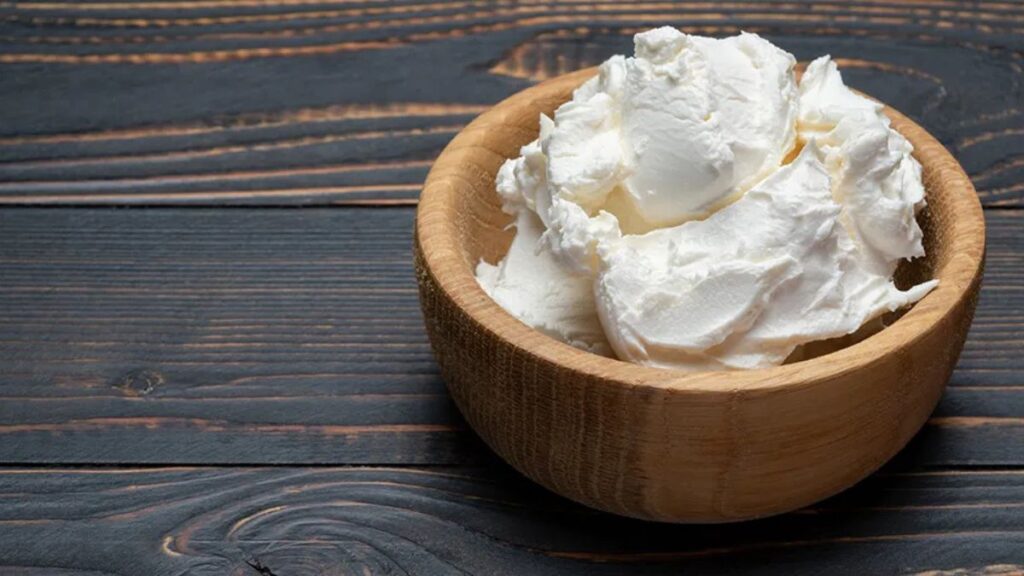
Introduction to Mascarpone
Mascarpone—a word that dances on the tongue and evokes images of rich Italian desserts. This luscious cheese is more than just an ingredient; it’s a culinary treasure with a storied past. Originating from the lush landscapes of Italy, mascarpone has become a beloved staple in kitchens worldwide. Whether you’re dolloping it onto fresh fruit or crafting the perfect tiramisu, its creamy texture and mild flavor promise to elevate your dishes to new heights.
But what makes mascarpone so special? Join us as we uncover its fascinating history, explore how it’s made, and dive into its many culinary uses. You might just find yourself inspired to incorporate this delightful cheese into your next meal!
History and Origin of Mascarpone
Mascarpone traces its roots back to the Lombardy region of Italy, where it has enchanted palates since at least the late 16th century. Originally crafted by local farmers, this creamy cheese was made from excess cream and milk that would otherwise go to waste.
The name “mascarpone” is believed to derive from the term “mascherpa,” which refers to a type of ricotta. As Italian cuisine evolved, so did mascarpone’s popularity, finding its way into both rustic kitchens and upscale restaurants.
By the 19th century, this luxurious cheese became a staple in Italian desserts like tiramisu. Its rich texture and mild flavor quickly captivated food lovers beyond Italy’s borders.
Today, mascarpone holds an esteemed place not only in traditional recipes but also in modern culinary creations worldwide.
Manufacturing Process of Mascarpone
Mascarpone is a creamy delight, and its manufacturing process reflects this luxurious texture. It begins with fresh cream, which is heated gently to enhance its richness.
Next, an acid—typically citric acid or tartaric acid—is introduced. This step curdles the cream, creating a thickened mixture that’s essential for mascarpone’s signature consistency.
Once the curds form, they are carefully separated from the whey. The remaining mixture is then cooled and left to drain further in fine cheesecloth. This ensures any excess moisture evaporates.
The result? A velvety cheese that embodies indulgence. Each batch captures the essence of Italian craftsmanship, delivering not just flavor but also tradition with every spoonful.
Flavor Profile and Culinary Uses of Mascarpone
Mascarpone boasts a rich, creamy texture that melts in your mouth. Its subtle sweetness and slight tang create a perfect balance, making it an ideal addition to both savory and sweet dishes.
In desserts, mascarpone shines brightly. It transforms ordinary recipes into indulgent treats like tiramisu or cheesecake. Just a dollop can elevate fruit salads or pastries, adding depth without overpowering other flavors.
On the savory side, this cheese is equally versatile. Stirring it into risottos gives them an extra layer of creaminess while enhancing flavor profiles in pasta sauces. Mascarpone can also enrich soups and stews, turning them into luxurious comfort foods.
Spread on toast or paired with charcuterie boards, mascarpone adds sophistication to everyday meals. Drizzle with honey or sprinkle herbs for added flair—endless possibilities await!
Health Benefits of Mascarpone
Mascarpone may not be the first cheese that comes to mind when considering health benefits, but it has its perks. This creamy Italian cheese is rich in calories and fats, providing a quick energy boost. It’s particularly beneficial for those who lead active lifestyles.
Packed with vitamins A and B, mascarpone contributes to good vision and supports your metabolism. It also contains calcium, which helps maintain strong bones and teeth.
Another interesting aspect of mascarpone is its low lactose content compared to other dairy products. This makes it easier on the stomach for some lactose-intolerant individuals.
While it’s indulgent, moderation is key. Enjoying mascarpone can add a touch of richness to your diet while still offering nutritional advantages when used wisely in various dishes or desserts.
Popular Dishes and Recipes Using Mascarpone
Mascarpone shines in a variety of dishes, bringing richness and creaminess that elevate any meal. One classic favorite is tiramisu, where layers of coffee-soaked ladyfingers meet velvety mascarpone for an indulgent dessert.
Savory applications are equally delightful. Consider adding it to risottos for a luxurious touch. It melds perfectly with herbs and spices, creating a creamy base that complements vegetables or seafood.
For brunch lovers, mascarpone can transform pancakes and waffles into gourmet treats. A dollop on top adds decadence when paired with fresh fruits or maple syrup.
Don’t overlook its versatility in pasta dishes either. Mixing mascarpone into sauces provides depth and smoothness like no other ingredient can achieve.
From desserts to savory meals, this cheese invites creativity in the kitchen while ensuring every bite feels special.
Pairing Suggestions for Mascarpone
Mascarpone’s creamy texture and rich flavor make it a versatile ingredient in the kitchen. Pairing it with fresh fruits can create delightful contrasts. Think strawberries, raspberries, or even figs—each brings out the cheese’s luscious qualities.
For savory dishes, consider incorporating mascarpone into pasta sauces. It melts beautifully and adds depth to flavors. Combine it with spinach and garlic for an indulgent twist.
Chocolate lovers should not overlook mascarpone as well. Its richness complements dark chocolate desserts perfectly, enhancing both taste and texture.
Herbs can also elevate your mascarpone experience. Chives or basil mixed into the cheese create a unique spread that pairs wonderfully with crusty bread or crackers.
Don’t shy away from wine pairings—the creaminess of mascarpone works well with fruity whites or light reds, making every bite a sensory delight!
Where to Buy and How to Store Mascarpone
Finding mascarpone is easier than you might think. Most grocery stores now carry this creamy delight, often located near specialty cheeses or dairy products. Look for it in the refrigerated section.
If you’re after authenticity, check out Italian markets or gourmet food shops. These places frequently stock high-quality brands that can elevate your dishes.
Once you’ve got your mascarpone, proper storage is crucial. Keep it in its original container and seal it tightly to maintain freshness. Ideally, store it in the coldest part of your refrigerator.
Mascarpone typically lasts about a week after opening but always check for signs of spoilage before using. If you want to extend its shelf life, consider freezing small portions in airtight containers; just be aware that texture may change slightly once thawed.
Alternatives to Mascarpone in Cooking and Baking
When mascarpone isn’t available, there are several creamy alternatives that can bring richness to your dishes. Cream cheese is a popular choice. It has a tangy flavor and can be whipped for a smoother texture.
Ricotta offers a lighter option with its slightly grainy consistency. Blending it with heavy cream can mimic the luxurious feel of mascarpone while adding an interesting twist.
Greek yogurt is another contender, providing creaminess and protein without the same fat content. Opt for full-fat versions for best results in desserts.
For those seeking dairy-free options, silken tofu blended until smooth creates a similar texture that works well in both savory and sweet recipes.
Coconut cream also gives an exotic flair; its natural sweetness enhances tropical or Asian-inspired dishes beautifully. Each alternative brings its own unique character, so don’t hesitate to experiment!
Conclusion
Mascarpone is more than just a cheese; it’s an experience that elevates both sweet and savory dishes. With its rich history rooted in Italian culinary traditions, mascarpone has carved out a special place in kitchens around the world.
The manufacturing process highlights the simplicity yet sophistication of this cheese, allowing it to shine through in various recipes. Its unique flavor profile adds depth and creaminess to countless dishes, making it a favorite among chefs and home cooks alike.
Beyond its culinary versatility, mascarpone also offers health benefits when consumed in moderation. It’s packed with nutrients that contribute positively to your diet.
From classic tiramisu to creamy risottos, there’s no shortage of popular dishes featuring this beloved ingredient. Pairing suggestions further enhance the flavors of mascarpone, whether you’re enjoying it with fresh fruits or drizzling honey on top.
For those who want to indulge without leaving their homes, finding quality mascarpone is easier than ever—make sure you know how to store it correctly for optimal freshness. And if you’re looking for alternatives due to dietary restrictions or availability issues, several substitutes can mimic its creamy texture well enough for cooking and baking needs.
Embracing mascarpone opens up new culinary avenues while celebrating Italy’s rich gastronomic heritage at the same time.